Aura Kasih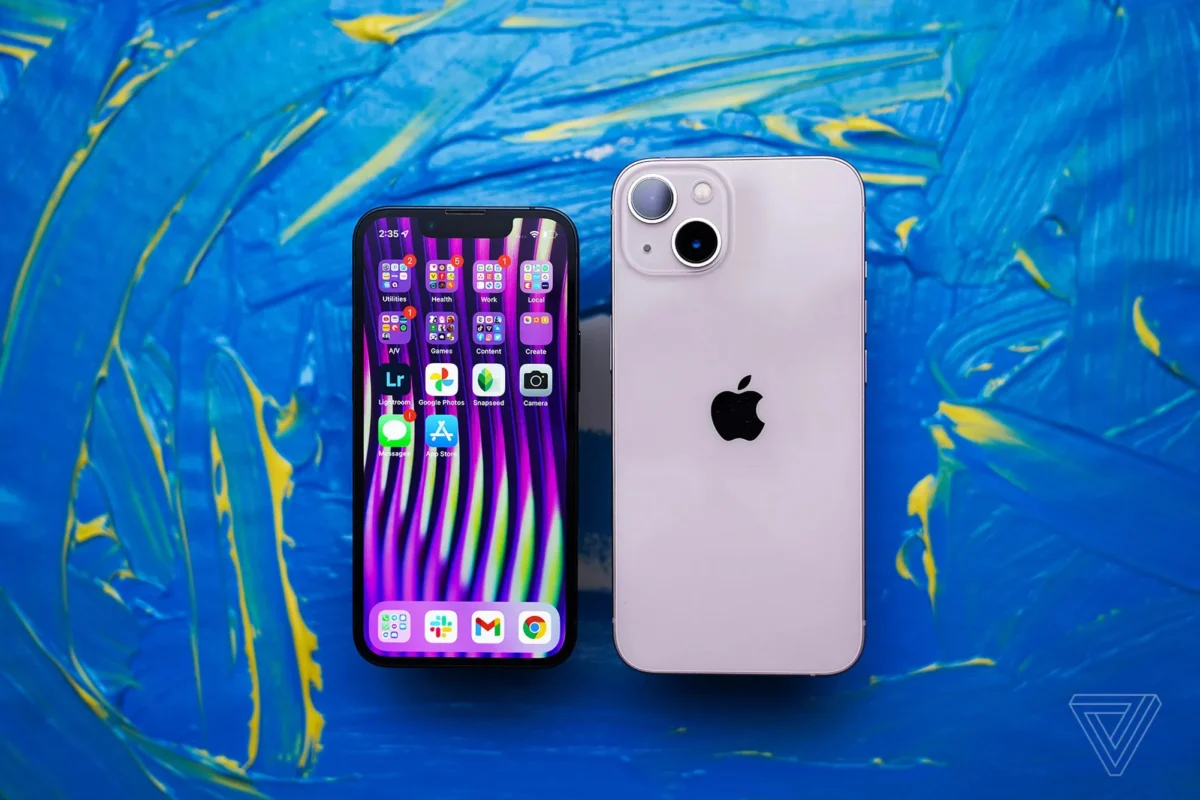
Apple is poised to revolutionize how users interact with their primary mobile number by introducing "iPhone Handoff," a groundbreaking feature slated for release with iOS 27 later this month, enabling a single phone number to operate across two distinct iPhone devices simultaneously. This innovative functionality, initially hinted at during the Worldwide Developers Conference (WWDC) keynote in June, will allow users to seamlessly transition their mobile identity and associated communications between a primary iPhone and a secondary device, effectively consolidating their digital presence onto a singular point of contact.
The technical underpinnings of iPhone Handoff, as revealed through early demonstrations within Xcode 27’s Device Hub, suggest a sophisticated system of device pairing. This pairing establishes one iPhone as the primary unit, responsible for managing the core cellular service and associated number, while designating a second iPhone as a "companion" device. This companion device, rather than requiring its own separate cellular plan or number, will mirror the primary device’s identity, enabling it to receive and make calls, send and receive text messages, and potentially access other cellular-dependent services under the umbrella of the main number. This offers a level of flexibility and continuity previously unseen in the mobile ecosystem, particularly for users who own multiple Apple devices.
This forthcoming feature arrives at a pivotal moment for Apple’s hardware strategy, aligning strategically with the anticipated launch of the company’s first foldable iPhone, speculated to be unveiled soon. The introduction of a foldable device, often characterized by its larger screen real estate and potentially greater expense, creates a natural demand for complementary, more portable, and perhaps more budget-friendly secondary devices. iPhone Handoff would elegantly address this emerging market dynamic. It would empower users to leave their primary, potentially more fragile or expensive, foldable device at home or in a secure location while still maintaining full access to their primary phone number and communication channels via a more compact and accessible secondary iPhone. This could range from a previous generation iPhone model to a dedicated, lighter-weight device designed for specific use cases, offering a practical solution for those who prioritize convenience and mobility without compromising their core connectivity.
The operationalization of iPhone Handoff is contingent upon robust carrier support, a critical factor that will determine the breadth of its availability. Early indications point to integration with major carriers such as T-Mobile US and Telekom.de, as evidenced by code references found within the operating system’s development environment. However, the extent of carrier partnerships beyond these initial examples remains an open question, and widespread adoption will likely depend on a concerted effort to secure agreements with a broader array of mobile network operators globally. The technical implementation will necessitate advanced network provisioning and potentially specific configurations at the carrier level to manage a single number across multiple physical devices. This aspect will be closely watched by industry analysts and consumers alike, as it will directly impact the practical utility and reach of this innovative feature.
Context and Historical Precedents:
The concept of unified mobile identities and seamless device switching is not entirely new, but Apple’s approach through iPhone Handoff represents a significant evolution. Historically, users have managed multiple devices, often with separate phone numbers or relying on app-based communication tools that function independently of the primary cellular line. Features like Apple’s existing Handoff functionality between Macs and iPhones have laid the groundwork for continuity, allowing users to initiate tasks on one device and complete them on another. However, these have largely focused on data and app continuity rather than the core cellular identity itself.
The integration of a single phone number across two iPhones taps into a deeper user need for consistent connectivity and simplified device management. In an era where users often possess a primary smartphone, a tablet, a smartwatch, and perhaps a laptop, the fragmentation of communication channels can be a significant inconvenience. iPhone Handoff seeks to consolidate the most fundamental aspect of mobile presence – the phone number – into a more cohesive and accessible experience. This move could be interpreted as Apple’s strategic response to the increasing diversity of its device ecosystem and the evolving ways consumers interact with technology throughout their day.
Technological Implications and User Benefits:
The technological sophistication required to enable iPhone Handoff is considerable. It likely involves leveraging advanced cellular technologies, secure device authentication protocols, and sophisticated network management techniques. The system must ensure that calls and messages are routed correctly to the active device, manage network registrations efficiently, and maintain a secure and private link between the primary and companion iPhones. This could involve technologies such as eSIM advancements, enhanced Wi-Fi calling capabilities, or even new protocols developed specifically for this purpose.
For users, the benefits are multifaceted. The most apparent advantage is the simplification of communication management. Instead of juggling multiple devices or worrying about which phone has the active SIM card, users can rely on a single, consistent point of contact. This is particularly advantageous for individuals who require a robust primary device for demanding tasks but prefer a secondary, more discreet device for casual use or specific environments. For example, a professional might use a powerful, feature-rich foldable iPhone for work and a smaller, more rugged iPhone for outdoor activities or travel, without missing important calls or messages.

Furthermore, iPhone Handoff could offer enhanced security and privacy. By consolidating the primary number onto a trusted primary device, users might be able to implement more stringent security measures on that device, while the companion device could be used in situations where a primary device might be at higher risk of loss or theft. The ability to remotely manage or even deactivate the companion device if lost or stolen, without affecting the primary device’s core functionality, adds another layer of security.
The feature also presents potential economic advantages. Users who currently maintain separate cellular plans for multiple devices could potentially consolidate their service, leading to cost savings. The ability to use an older, existing iPhone as a companion device, rather than purchasing a new device with its own cellular contract, further enhances the cost-effectiveness of this solution. This democratizes access to advanced mobile functionality, making it more accessible to a wider range of consumers.
Analysis of Market Dynamics and Competitive Landscape:
The introduction of iPhone Handoff positions Apple to further solidify its dominance in the premium smartphone market and potentially redefine user expectations for device interoperability. While other manufacturers have explored cross-device functionalities, Apple’s integration of a single phone number across two iPhones represents a more direct and fundamental approach to unifying mobile identity. This move could put pressure on competitors to develop similar solutions, potentially driving innovation across the industry.
The success of iPhone Handoff will also be influenced by the broader adoption of eSIM technology, which facilitates the seamless management of cellular plans across multiple devices without the need for physical SIM cards. As eSIM adoption grows, so too will the technical feasibility and widespread availability of features like iPhone Handoff. Apple’s influence in driving eSIM adoption is significant, and this new feature will likely accelerate its integration into the mobile landscape.
Future Outlook and Potential Expansions:
Looking ahead, the implications of iPhone Handoff extend beyond the immediate dual-iPhone scenario. It sets a precedent for future Apple devices and services. One can envision this technology evolving to encompass other Apple products, such as the Apple Watch or even Mac computers, allowing for an even more pervasive and seamless integration of a single phone number across a wider array of devices. This could lead to a future where the concept of a "phone" as a singular device becomes less relevant, replaced by a fluid ecosystem of interconnected devices all operating under a unified mobile identity.
Further iterations of this feature might include more granular control over which device handles specific types of communication, or even the ability to assign different profiles or functionalities to the companion device. The potential for customization and tailoring the experience to individual user needs is immense. For instance, a user might designate their companion device to handle only voice calls and essential messaging, while their primary device manages all data-intensive applications and advanced communication features.
Moreover, the success of iPhone Handoff could spur advancements in cellular network architecture and infrastructure. Carriers will need to adapt their systems to support this new paradigm of multi-device number management, potentially leading to more flexible and efficient network utilization. This could, in turn, enable a host of new mobile services and applications that leverage this enhanced connectivity and unified identity.
In conclusion, Apple’s forthcoming iPhone Handoff feature represents a significant leap forward in mobile device integration. By enabling a single phone number to operate seamlessly across two iPhones, Apple is not only simplifying the user experience but also setting a new standard for device interoperability and mobile identity management. As this technology matures and expands, it promises to reshape how we interact with our mobile devices, blurring the lines between hardware and service to create a more unified and intuitive digital life. The successful implementation and broad carrier support will be key determinants of its impact, but the potential for this feature to redefine the mobile landscape is undeniable.




 Safa Marwah
 Ayu Aulia