 Aura Kasih
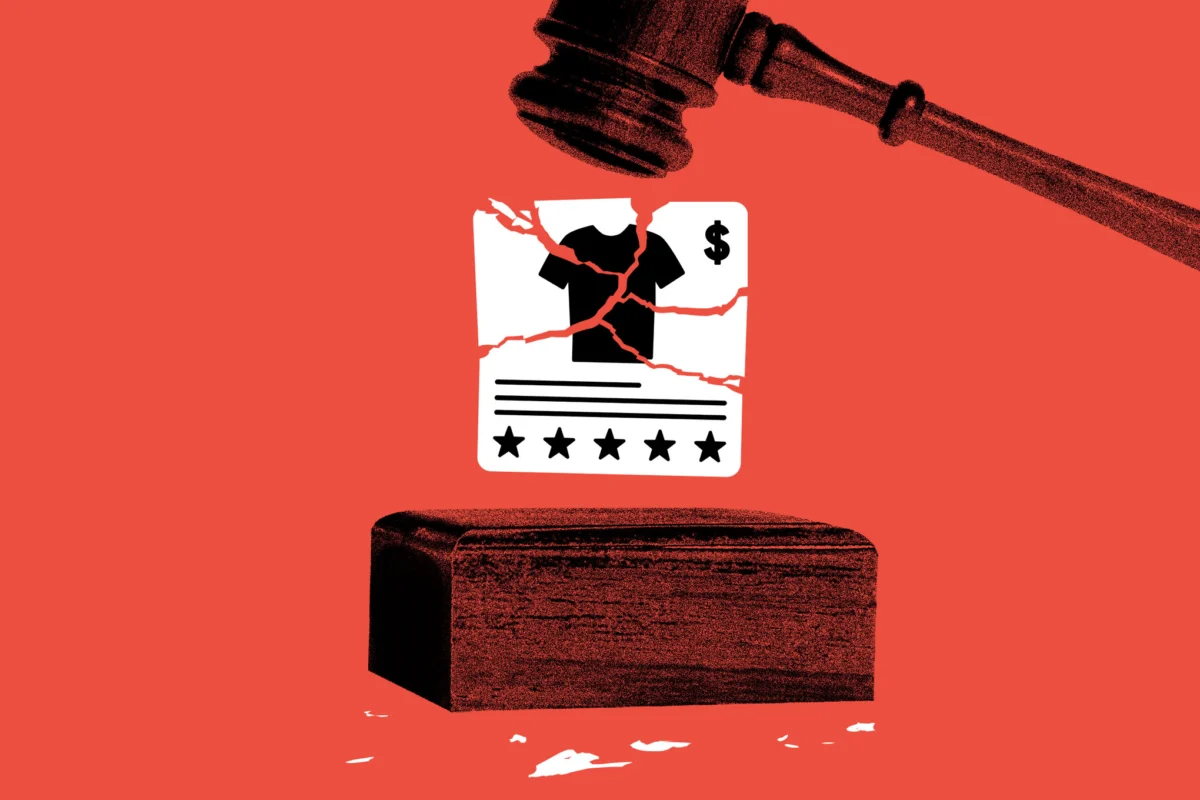
In a landmark move for digital media regulation, Pennsylvania has enacted legislation requiring clear labeling of advertisements and content significantly altered or generated by artificial intelligence, ushering in a new era of consumer protection in the rapidly evolving landscape of synthetic media.
The passage of the Artificial Intelligence Deceptive Advertising Act, signed into law by Governor Josh Shapiro, marks a significant step by a U.S. state to address the growing proliferation of AI-generated content in commercial messaging. This legislation mandates that any advertisement, irrespective of its format – whether a static image, video, audio recording, or textual material – that has undergone substantial modification or creation through artificial intelligence must prominently display a disclosure. This requirement is designed to be integrated seamlessly within the advertisement itself, ensuring that consumers are made aware of the AI’s involvement in a manner that mirrors the presentation of the content. The scope of the law is broad, encompassing advertisements from major corporations producing high-budget commercials to local businesses promoting their services through flyers, ensuring a consistent standard of disclosure across various scales of advertising.
Pennsylvania’s proactive stance positions it as a pioneer among states in establishing regulations for AI-driven content. Crucially, the law’s reach extends beyond the state’s borders; advertisements intended for distribution within Pennsylvania will be subject to these disclosure requirements, even if they were initially produced elsewhere. This extraterritorial application suggests a broader impact on national advertising practices, as companies seeking to reach Pennsylvanian consumers will need to adapt their content creation and labeling strategies accordingly.
However, the practical implementation and enforcement of the Artificial Intelligence Deceptive Advertising Act present several intricate challenges and potential ambiguities. The definition of "significantly modified" remains a point of subjective interpretation, leaving room for debate regarding the threshold at which AI involvement necessitates a disclosure. Furthermore, the law includes explicit exemptions for content categorized as "parody, satire, commentary or criticism," as well as material that is "evidently fictional." The precise meaning and scope of "evidently fictional" are not clearly delineated, potentially creating loopholes and complicating the determination of when a disclosure is mandated.
The legislative text further suggests that disclosures are only required for content that "uses synthetic content in a manner that creates a false consumer perception" regarding a product or service. This phrasing introduces another layer of complexity, raising questions about what constitutes a "false" perception under the law and who will be responsible for making these often-subjective judgments. The potential for inconsistent application and the burden of proof will likely be significant considerations as the law moves from legislative text to operational reality.
The office of State Senator Nick Pisciottano, the principal sponsor of the bill, has not yet provided detailed commentary on these specific implementation questions, underscoring the ongoing need for clarification and guidance from legislative and regulatory bodies. The development and refinement of enforcement mechanisms, along with the establishment of clear interpretive guidelines, will be critical for the successful and equitable application of this pioneering legislation.
The proliferation of artificial intelligence in content creation has accelerated at an unprecedented pace, impacting nearly every sector of the economy and society. AI tools are now capable of generating highly realistic images, videos, audio, and text, blurring the lines between human-created and machine-generated content. This technological advancement, while offering significant opportunities for innovation and efficiency, also presents a spectrum of challenges, particularly concerning authenticity, deception, and consumer trust.
Historically, advertising has been governed by principles of truthfulness and fair representation. Regulatory bodies have long worked to prevent misleading claims and deceptive practices that could harm consumers or create an unfair marketplace. The advent of AI, however, introduces a new dimension to these challenges. The ability of AI to create highly persuasive and realistic content at scale raises concerns about the potential for sophisticated manipulation. For instance, AI can be used to generate fake testimonials, create fabricated product demonstrations, or produce deepfake videos that impersonate individuals, all with the aim of influencing consumer purchasing decisions.

The Pennsylvania law is a direct response to these evolving threats. By mandating disclosure, the state aims to empower consumers with the knowledge that the content they are engaging with has been shaped by artificial intelligence. This awareness is intended to foster a more critical consumption of advertising and to mitigate the risk of consumers being misled by synthetic media. The principle underlying such legislation is that transparency is a fundamental component of an ethical and trustworthy marketplace.
The implications of this law extend beyond consumer protection. For advertisers and content creators, it necessitates a reevaluation of their production processes and a commitment to ethical AI deployment. Companies will need to invest in technologies and workflows that can accurately identify and label AI-generated or significantly modified content. This may involve developing internal auditing mechanisms, integrating AI detection tools, and establishing clear internal policies regarding the use of synthetic media in advertising. Failure to comply could result in legal repercussions, reputational damage, and a loss of consumer confidence.
Furthermore, the law’s focus on "significant modification" raises important questions about the evolution of creative processes. Many modern digital content creation workflows already involve a degree of digital enhancement and manipulation, from simple photo editing to sophisticated CGI in film. The challenge for regulators and industry alike will be to draw a clear and practical line between standard creative post-production techniques and the use of AI in ways that fundamentally alter the nature of the content or its perceived authenticity.
The broader context for Pennsylvania’s legislation includes ongoing national and international discussions about AI governance. Many jurisdictions are grappling with similar questions about how to regulate AI technologies to harness their benefits while mitigating their risks. Federal agencies in the United States, such as the Federal Trade Commission (FTC), have also been examining the implications of AI in advertising and have issued guidance on deceptive practices. However, state-level legislation, like Pennsylvania’s, can often serve as a testing ground for new regulatory approaches and can influence the broader national conversation.
The inclusion of exemptions for satire, parody, and commentary is a common feature in legislation dealing with speech and media. These exemptions are designed to protect freedom of expression and to ensure that legitimate forms of artistic and critical content are not inadvertently stifled by broad regulatory mandates. However, as noted, the vagueness of terms like "evidently fictional" could create challenges in distinguishing between protected commentary and deceptive advertising. This highlights the need for clear guidelines and case law to interpret these provisions over time.
The "false consumer perception" clause is particularly significant. It suggests that the law is not merely about identifying AI-generated content but about its potential to mislead. This places an emphasis on the intent and effect of the content, rather than solely on its origin. Determining intent can be difficult, and establishing a "false perception" often requires empirical evidence of consumer confusion or deception. This aspect of the law will likely necessitate robust enforcement mechanisms and potentially legal challenges to define its boundaries.
Looking ahead, Pennsylvania’s Artificial Intelligence Deceptive Advertising Act is likely to have a ripple effect. Other states may consider similar legislation, potentially leading to a patchwork of regulations across the country. This could create compliance complexities for national advertisers. Alternatively, it might spur federal action to create a more uniform regulatory framework.
The long-term impact of this law will depend on several factors, including the clarity of its enforcement, the adaptability of the advertising industry, and the ongoing evolution of AI technology itself. As AI capabilities continue to advance, new challenges and questions will inevitably arise, requiring continuous reassessment and potential updates to the regulatory landscape. The Pennsylvania law represents a crucial initial step in navigating this complex terrain, prioritizing consumer awareness and ethical conduct in an era increasingly shaped by artificial intelligence. The success of this legislation will be measured not only by its immediate impact on advertising practices within the state but also by its contribution to a broader societal dialogue on responsible AI deployment and the safeguarding of truth and trust in the digital age.




 Lisa Mariana

 Safa Marwah