Aura Kasih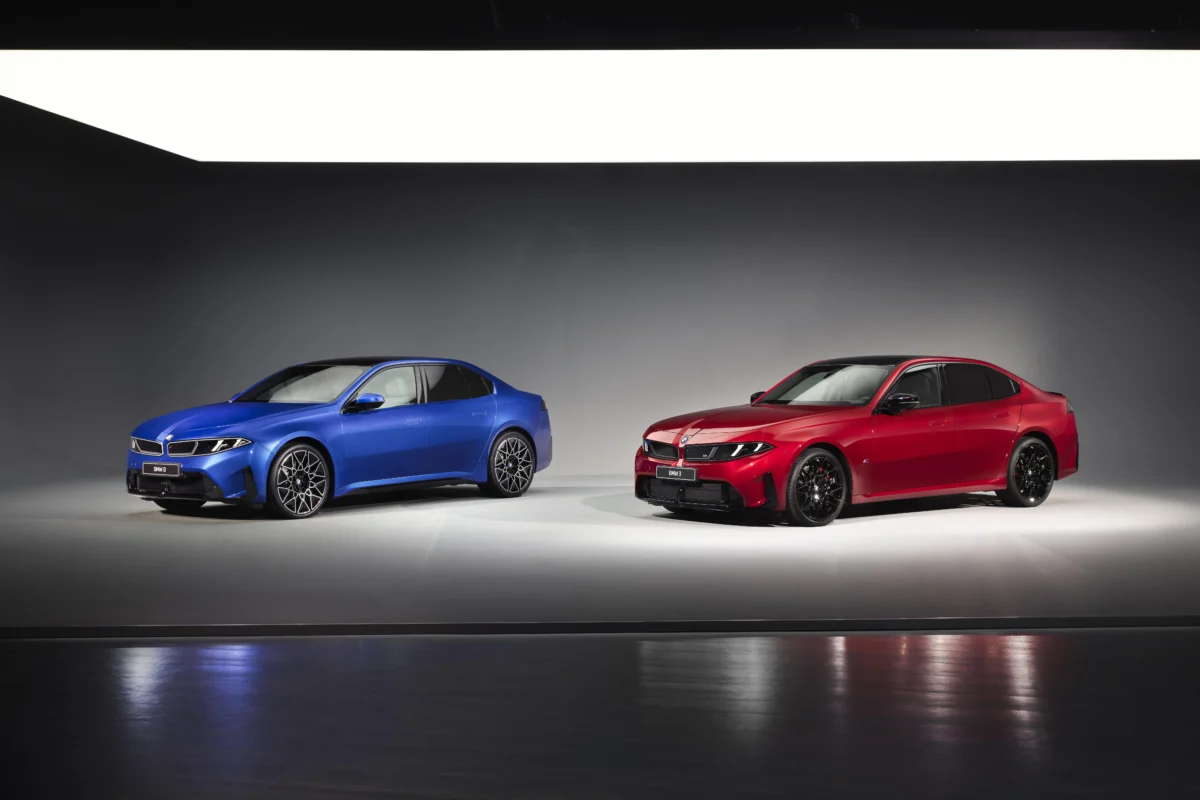
The automotive landscape is witnessing a significant evolution as BMW officially pulls back the curtain on its reimagined i3, a four-door electric sedan built upon the brand’s groundbreaking Neue Klasse platform, promising an impressive estimated range of up to 468 miles and a suite of advanced technological integrations. This unveiling marks a pivotal moment for BMW’s electric vehicle strategy, directly addressing key consumer concerns around range anxiety and offering a glimpse into the future of in-car digital experiences and sustainable mobility.
For years, the narrative surrounding BMW’s i3 has been one of anticipation, particularly following initial announcements of its transformation into a more conventional sedan format. Crucial details regarding its powertrain, battery specifications, and market positioning remained elusive, leaving enthusiasts and industry observers eager for concrete information. Today, BMW has decisively filled these gaps, presenting a compelling package that aims to redefine expectations within the premium electric vehicle segment. The 2027 BMW i3 50 xDrive is slated to enter the U.S. market in the first quarter of 2027, with a starting MSRP of $61,500, excluding a $1,350 destination fee. This pricing strategy places the i3 squarely in competition with established luxury sedans like the Mercedes-Benz C-Class, signaling BMW’s intent to capture a significant share of this competitive market.
At the heart of the new i3 lies a sophisticated dual-motor all-wheel-drive system. The rear axle is powered by an electrically excited synchronous motor (EESM) generating a robust 322 horsepower and 321 lb-ft of torque. Complementing this is an asynchronous motor on the front axle, contributing an additional 165 horsepower and 188 lb-ft of torque. Combined, these power units deliver a formidable total output of 463 horsepower and 476 lb-ft of torque, promising exhilarating acceleration and dynamic performance characteristics befitting the BMW marque. The EESM, serving as the primary drive unit, employs a novel approach by utilizing electricity rather than permanent magnets to energize its stator and rotor components. This innovative design is managed by an advanced inverter, acting as the system’s central processing unit. The inverter skillfully converts direct current from the battery into alternating current for the motors, precisely regulating the electromagnets and continuously monitoring performance to optimize efficiency and maximize the vehicle’s operational range.
The quoted range figures represent a significant achievement for BMW and a substantial advancement in EV technology. With an EPA-estimated range of up to 468 miles, the i3 positions itself as a leading contender in long-distance electric travel. This impressive figure addresses one of the most critical barriers to widespread EV adoption: range anxiety. The benchmark set by BMW may also be seen as a strategic response to competitor advancements, such as the reported 575-mile WLTP range of the 2027 Mercedes-Benz EQS. While WLTP estimates typically exceed EPA figures, BMW’s nearly 470-mile EPA estimate demonstrates a strong commitment to delivering practical and extensive real-world driving capabilities for consumers. This focus on range, coupled with a competitive price point, suggests a well-calibrated product strategy aimed at maximizing market appeal.
While BMW has been transparent about many of the i3’s features, the precise battery capacity remains undisclosed. However, the automaker has confirmed the integration of its proprietary "Gen6" high-voltage battery system. This next-generation battery technology utilizes cylindrical lithium-ion cells, measuring 46 mm in diameter and 95 mm in height. The adoption of these larger cylindrical cells represents a significant step forward in battery energy density, offering a 20% improvement over the prismatic cells found in previous "Gen5" batteries. This increase in energy density is a crucial factor in achieving the extended range figures, allowing for more energy storage within a comparable or even reduced battery volume. The continued refinement of battery technology is paramount for the long-term success of electric vehicles, and BMW’s investment in these advanced cell formats underscores its commitment to staying at the forefront of EV innovation.
Beyond its impressive powertrain and range, the new BMW i3 incorporates a host of innovative features designed to enhance convenience, connectivity, and user experience. Bidirectional charging capabilities are a notable addition, enabling vehicle-to-load (V2L) and vehicle-to-home (V2H) functionalities. This allows the i3 to serve as a mobile power source, capable of powering external devices, appliances, or even providing backup power to a home during an outage. The intelligent charging flap, which automatically opens as the driver approaches a recognized charging station, further streamlines the charging process. Additionally, the integration of Plug & Charge technology simplifies charging sessions by enabling automatic authentication and billing with over ten participating charging network providers, eliminating the need for manual app or card interactions.
The digital cockpit of the i3 represents a radical departure from traditional automotive interfaces, powered by a completely redesigned iDrive infotainment system. Eschewing conventional instrument clusters, the system projects critical driving information directly onto the windshield via a head-up display (HUD). This advanced HUD remains clearly visible even when wearing polarized sunglasses and offers a customizable experience for both the driver and passengers. The central hub of the infotainment system is a striking 17.9-inch free-cut touchscreen. This expansive display allows users to intuitively drag and drop up to six "widgets"—such as media, weather, or navigation—from the main screen directly onto the windshield projection. Complementing this futuristic interface, the steering wheel incorporates "shy-tech" controls. These haptic feedback buttons only illuminate when active, reducing visual clutter and allowing drivers to operate essential functions without diverting their gaze from the road.
BMW is also embracing the growing trend of artificial intelligence integration in vehicles by embedding Amazon’s Alexa. This advanced version of Alexa leverages large-language model capabilities, enabling natural, conversational interactions for a wide range of functions, including online information searches, climate control adjustments, and window operation. BMW has been actively pursuing the integration of this enhanced AI-powered Alexa since 2022, and its inclusion in the i3 signifies a significant step in delivering a more intelligent and intuitive in-car assistant experience.
Further enhancing the entertainment and connectivity options, the i3 offers in-car video streaming capabilities when parked. Users can access content through a built-in Video app powered by TiVo and, in the future, Amazon Prime Video. The navigation system utilizes BMW’s proprietary mapping technology, enhanced with integrated Google Places for points of interest powered by comprehensive search data. The entire system operates on an Android-based platform, ensuring seamless over-the-air software updates that will keep the vehicle’s digital features current and evolving.
For enthusiasts seeking elevated performance, BMW will also introduce the i3 M60 xDrive. This high-performance variant will feature distinctive M-specific lighting and graphics, along with aerodynamic 21-inch Style 1067M wheels. The i3 M60 xDrive is scheduled to arrive in 2027, with pricing details to be announced at a later date. The availability of both standard and performance-oriented models underscores BMW’s strategy to cater to a diverse range of consumer preferences within the burgeoning electric vehicle market. The strategic introduction of the M variant also signals BMW’s commitment to delivering engaging driving dynamics, even within the context of electrification, a hallmark of the brand’s heritage.
The comprehensive suite of advancements in the 2027 BMW i3, from its substantial range and innovative powertrain to its sophisticated digital interface and AI integration, positions it as a formidable contender in the rapidly evolving electric vehicle landscape. BMW’s commitment to pushing the boundaries of range, performance, and user experience signals a clear intent to not only compete but to lead in the premium EV segment. The Neue Klasse platform, upon which the i3 is built, is poised to be the foundation for BMW’s future electric offerings, suggesting that the innovations seen in this new i3 are just the beginning of a broader electrification strategy. The successful execution of this strategy will be critical for BMW as it navigates the transition away from internal combustion engines and solidifies its position as a key player in the future of sustainable mobility. The convergence of cutting-edge battery technology, intelligent software, and a driver-centric design philosophy suggests that BMW is meticulously crafting a compelling vision for the electric vehicles of tomorrow.



 Safa Marwah
 Lisa Mariana