Safa Marwah
The extensive operational network of Keio Corporation, a significant player in Japan’s private railway and hospitality sectors, has been compromised by a sophisticated ransomware attack, triggering an urgent investigation into the extent of business system disruptions and potential data exfiltration.
In the early hours of Saturday, September 26, 2026, Keio Corporation detected anomalous activity within its internal network infrastructure, which was subsequently identified as a targeted ransomware assault. This breach prompted immediate and decisive action, including the complete shutdown of affected systems to contain the propagation of the malicious software and prevent further damage. While the core railway operations remained unaffected, the company’s hospitality division, particularly its hotel payment systems and customer-facing services, bore the brunt of the disruption. This incident underscores the escalating threat landscape faced by integrated conglomerates with diverse operational segments, particularly those critical to public services and economic activity.
Keio Corporation is a formidable entity within the Japanese economic landscape, managing an extensive private railway network spanning 85 kilometers and encompassing 69 stations. Beyond its transportation core, the corporation boasts a substantial hospitality portfolio, including 25 hotels, and employs over 2,200 individuals, generating an impressive annual revenue of approximately $2.6 billion. The attack, confirmed by the company and reported to law enforcement authorities, has initiated a comprehensive forensic investigation with the assistance of external cybersecurity experts. The primary objectives of this inquiry are to precisely delineate the intrusion’s vector, assess the full scope of system damage, and determine whether any sensitive customer or business partner information has been accessed or exfiltrated by the perpetrators.
The targeting of a major Japanese conglomerate like Keio reflects a broader global trend where ransomware groups increasingly focus on high-value targets possessing critical infrastructure or substantial financial resources. These sophisticated threat actors often employ advanced persistent threat (APT) techniques, leveraging initial access brokers, exploiting unpatched vulnerabilities, or employing social engineering tactics to infiltrate corporate networks. Once inside, they navigate the network, escalate privileges, and deploy ransomware, encrypting vital data and systems. The subsequent demand for a ransom, typically in cryptocurrency, is often accompanied by threats of publishing stolen data – a tactic known as double extortion – to exert maximum pressure on the victim organization. The implications of such an attack extend far beyond immediate operational downtime, encompassing significant financial outlays for recovery, potential regulatory fines, reputational damage, and erosion of public trust.
In the context of Keio’s hospitality division, the disruption of payment systems carries particularly acute consequences. Modern hotel operations are deeply reliant on integrated digital platforms for reservations, check-ins, point-of-sale transactions, and guest services. A compromise of these systems can lead to severe operational paralysis, impacting guest experience, causing delays, and potentially forcing manual processes that are inefficient and prone to error. The possibility of customer data exposure, including personally identifiable information (PII) or financial details, raises significant privacy concerns and could trigger obligations under Japan’s Act on the Protection of Personal Information (APPI), which mandates strict data handling practices and breach notification requirements.
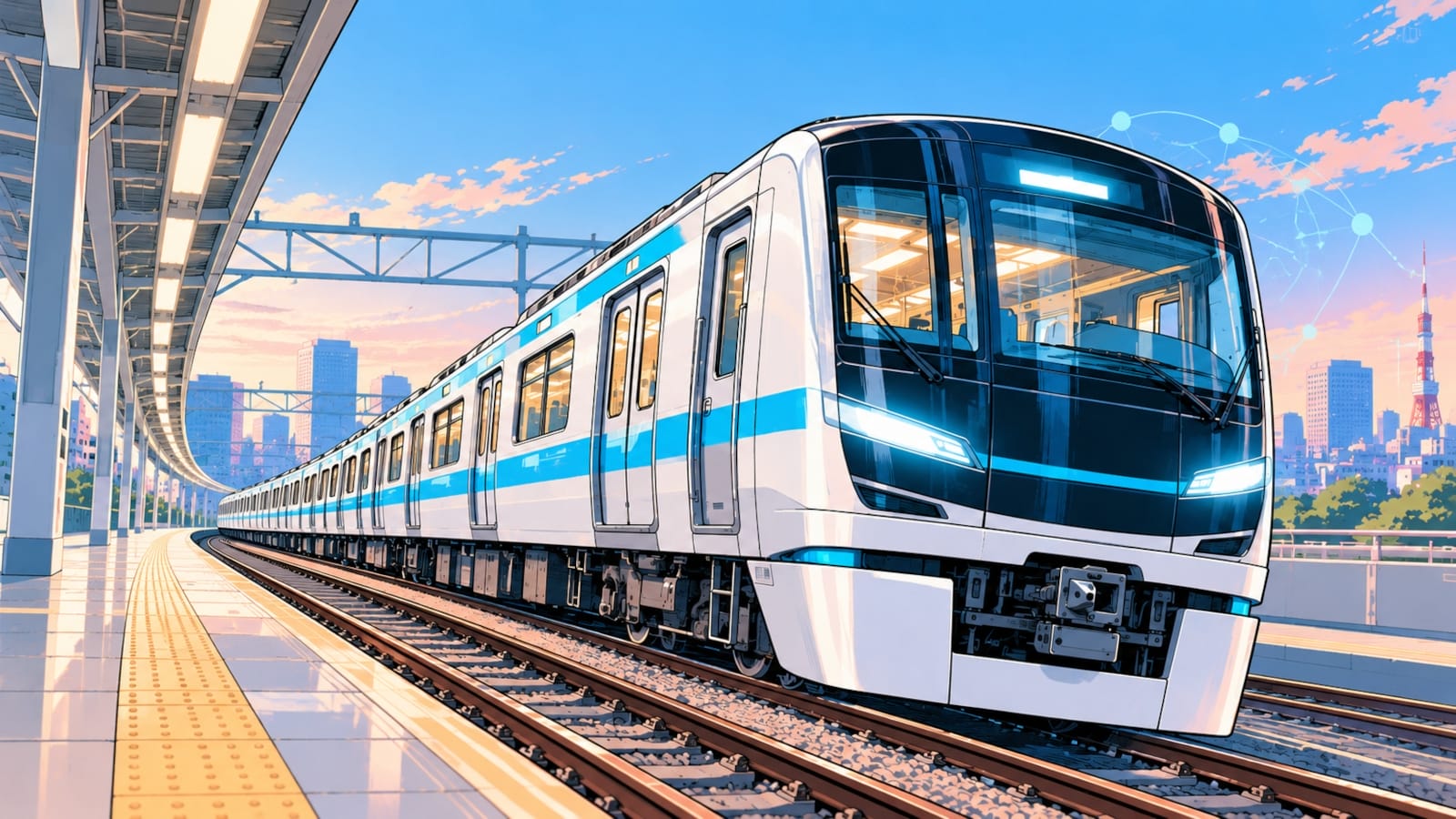
The incident at Keio Corporation also comes amidst reports of another significant cyber intrusion affecting Tokyo Metro, another crucial component of Japan’s public transportation infrastructure. Tokyo Metro disclosed a separate cyber incident during the same weekend, involving unauthorized access to its systems and the compromise of approximately 59,000 member email addresses. While the nature of the Tokyo Metro incident appears to be data exfiltration rather than ransomware, and the company has stated that the breached systems contained only email addresses and that the vulnerability has been addressed, the proximity and timing of these two attacks on major Japanese railway operators raise pertinent questions regarding potential coordination or the exploitation of widespread vulnerabilities within the sector.
Tokyo Metro operates an extensive network of nine subway lines, covering 195 kilometers and serving 180 stations, facilitating the movement of an astounding average of 7 million passengers daily. The simultaneous targeting of two such vital transportation entities, whether by the same threat actor or disparate groups, underscores a heightened level of cyber risk confronting Japan’s critical infrastructure. This confluence of events necessitates a deeper examination by both government agencies and private sector organizations into their collective cybersecurity posture and resilience strategies.
Expert analysis suggests that companies operating in critical sectors, such as transportation and hospitality, present attractive targets due to their operational complexity, the volume of sensitive data they manage, and the profound societal impact of their disruption. The interconnectedness of modern IT environments means that a breach in one segment, such as hospitality, could potentially be leveraged to access other, seemingly segregated, parts of the corporate network if proper segmentation and access controls are not rigorously implemented. Keio’s swift action to isolate the affected network segments is a testament to effective incident response protocols, but the initial penetration still highlights inherent vulnerabilities.
The financial repercussions for Keio will be multifaceted. Beyond the direct costs associated with forensic investigations, system remediation, and potential ransom payments (if negotiations occur), there will be indirect costs such as lost revenue from disrupted hospitality services, potential legal fees, and increased cybersecurity insurance premiums. The intangible cost to brand reputation and consumer trust, particularly for a company so deeply embedded in the daily lives of millions, could be substantial and endure for an extended period. Rebuilding trust requires transparent communication, demonstrable improvements in security, and robust compensation or support for affected customers.
Looking ahead, the Keio and Tokyo Metro incidents serve as a stark reminder of the urgent need for enhanced cybersecurity resilience across all sectors of the Japanese economy. Organizations, particularly those designated as critical infrastructure, must adopt a proactive and adaptive approach to cybersecurity. This includes implementing multi-layered security defenses, such as robust endpoint detection and response (EDR) solutions, advanced threat intelligence, network segmentation, and privileged access management (PAM). Regular security audits, penetration testing, and comprehensive employee training on phishing and social engineering tactics are also indispensable. Furthermore, the development and frequent testing of detailed incident response plans are crucial to minimize the impact of future breaches.
The evolving threat landscape, characterized by increasingly sophisticated ransomware-as-a-service (RaaS) models and potential nation-state sponsored cyber activities, demands a collaborative effort between the private sector, government bodies, and international partners. Information sharing mechanisms, joint threat intelligence initiatives, and coordinated law enforcement actions are vital to counter these transnational cyber threats effectively. The incidents affecting Keio and Tokyo Metro are not isolated events but rather symptomatic of a pervasive global challenge, necessitating continuous vigilance, significant investment in cybersecurity capabilities, and a commitment to fostering a culture of cyber resilience throughout the corporate ecosystem. The coming months will be critical for Keio Corporation as it navigates the complex recovery process and works to restore full operational integrity and public confidence.


 Aura Kasih
 Lisa Mariana