Lisa Mariana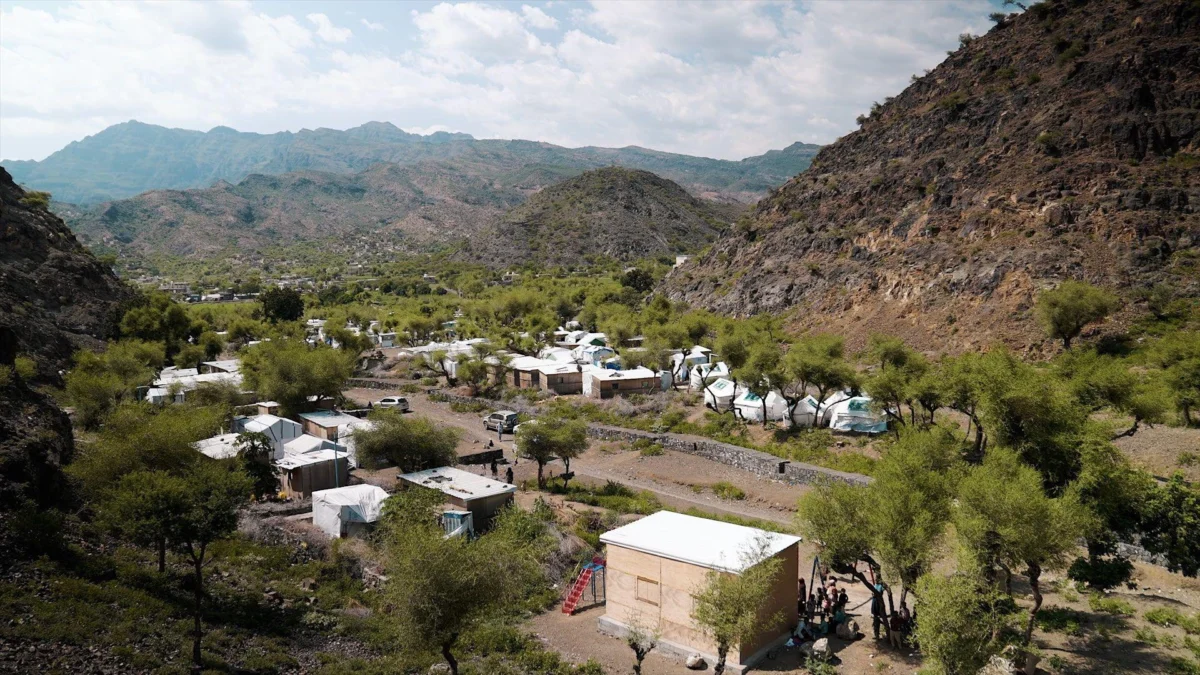
The pivotal southwestern Yemeni city of Taiz is currently engulfed in a fierce struggle for dominance, as Ansar Allah (Houthi) forces intensify their campaign to consolidate territorial gains against an array of Saudi-backed government factions, with profound implications for regional stability and the trajectory of the protracted civil war. Situated at a crucial nexus between northern and southern Yemen, Taiz represents not merely a provincial capital but a significant prize whose control could decisively alter the balance of power, extending the humanitarian catastrophe gripping the nation.

Yemen’s conflict, now entering its ninth year, originated from the Houthi movement’s seizure of the capital Sanaa in late 2014 and the subsequent ousting of the internationally recognized government. This precipitated the intervention of a Saudi Arabia-led coalition in March 2015, aiming to restore the government and curb perceived Iranian influence. The war has since devolved into a complex, multi-faceted struggle involving numerous internal actors and external powers, transforming Yemen into a theatre for regional proxy warfare. Taiz, historically a cultural and intellectual hub, found itself besieged early in the conflict, with its central districts held by government loyalists while Houthi forces encircled it from multiple directions, carving out an enduring humanitarian crisis marked by blockades and sporadic, devastating clashes.
Recent weeks have witnessed a significant escalation, with Houthi forces advancing along the Red Sea coast, notably capturing the strategic port city of Mokha, approximately 85 kilometers west of Taiz. This offensive, initiated after a four-year ceasefire effectively unraveled, has extended Houthi control over critical maritime choke points, including areas overlooking the Bab al-Mandab Strait. This narrow waterway, a vital conduit for global shipping and a key artery for international oil transit, underscores the conflict’s far-reaching economic and geopolitical ramifications. The capture of such territory immediately triggered concerns over potential disruptions to global supply chains and contributed to upward pressures on international oil prices, highlighting the interconnectedness of this localized conflict with broader global economic stability.

The ground realities around Taiz are characterized by a relentless and often invisible war. The mountainous terrain surrounding the city blurs traditional front lines, making it challenging to delineate areas of firm control. Instead, the landscape is punctuated by a patchwork of contested zones, where control can shift rapidly. Observers report a stark contrast between the relative vibrancy of Taiz’s urban core, where markets and daily life persist amidst the ever-present threat of violence, and the desolate, conflict-scarred periphery. Here, residential structures stand abandoned, their inhabitants having fled the ceaseless shelling and gunfire, leaving behind an eerie silence broken only by the sounds of distant combat and the bleating of unattended livestock. The threat of aerial surveillance is constant; the distinctive hum of Houthi drones signals imminent danger, often followed by the concussive thud of artillery strikes. These unmanned aerial vehicles, a hallmark of modern asymmetrical warfare, have become an increasingly potent weapon in the Houthi arsenal, reflecting external military assistance that regional and Western intelligence sources attribute primarily to Iran. Tehran, however, consistently denies direct military supply, asserting its support for the Houthi movement is purely political.
The impact on the civilian population is devastating and pervasive. Families living in close proximity to the battle lines face impossible choices. Many have been forced to send their children to overcrowded displacement camps, while adults remain to protect meager assets like livestock, often their sole means of survival. This predicament is exemplified by individuals like Ali, who, despite experiencing direct mortar impacts on his property, expressed profound fear but an unyielding determination to safeguard his animals, recognizing that their loss would condemn his family to starvation. His testimony underscores the desperate calculus of survival in a war zone, where the immediate threat of violence often competes with the slow agony of destitution.

The humanitarian crisis extends into Taiz’s medical facilities, which bear the brunt of the conflict’s casualties. The city’s main hospitals, such as al-Thawra, are overwhelmed with a steady influx of wounded, encompassing both combatants and non-combatants. The graphic reality of war is brought home through stories like that of Ghana Nabeel, a twelve-year-old girl critically injured by mortar shrap while tending goats. Her severe brain injury, as described by medical personnel, signifies a permanent alteration to her life, a stark reminder of the indiscriminate nature of modern conflict and its enduring legacy on the most vulnerable. These individual tragedies are mirrored in the broader displacement crisis. The United Nations Refugee Agency reported over 130,000 new displacements across Yemen in the past month alone, adding to the staggering 5.2 million already uprooted by the civil war. Camps like al-Monig, located south of Taiz, are struggling to accommodate the constant influx of new arrivals, often families who have undertaken perilous journeys on foot, losing loved ones along the way. Maryam Saleh, who fled Mokha with her five children, recounted the horror of her nephew being killed by shrapnel during their escape, highlighting the terror of navigating active combat zones. The plight of individuals like Fatma Mohammed Saleh, a disabled woman forced to crawl for two days through active battlefields after being separated from her family, exemplifies the extreme vulnerability and resilience of those caught in the conflict’s grip, underscoring the urgent need for comprehensive humanitarian assistance and protection.
The military landscape is further complicated by the fragmented nature of the anti-Houthi forces. While ostensibly united under the internationally recognized Presidential Leadership Council, headquartered in Aden, the reality on the ground is a mosaic of different militias, local brigades, and tribal fighters, each with their own command structures and allegiances. This disunity is evident in the multiple checkpoints encountered on the journey to Taiz from Aden, each signifying a distinct zone of control. The Saudi-led coalition provides vital air support and weaponry to these disparate government forces, yet the lack of a unified command often hampers coordinated efforts against the more cohesive Houthi movement. Furthermore, allegations of child recruitment persist on both sides of the conflict. While the Houthis signed an action plan with the UN in 2022 to end the use of child soldiers, reports from the front lines suggest the practice continues, adding another tragic layer to the conflict’s human cost and posing profound long-term challenges for post-conflict recovery and social reintegration.

The strategic importance of Taiz cannot be overstated. Its location as a gateway between Houthi-controlled northern territories and government-held southern regions makes it a critical logistical and political objective. If Houthi forces were to fully secure the high ground overlooking Taiz’s southern routes, it would severely impede government efforts to retake key coastal areas like Mokha and potentially isolate government forces within the city, thereby consolidating Houthi dominance over a significant portion of western Yemen. This would not only be a military setback for the Saudi-backed coalition but also a symbolic victory for the Houthis, reinforcing their narrative of resilience and expanding their leverage in any future peace negotiations.
The enduring conflict in Yemen, epitomized by the brutal struggle for Taiz, continues to be one of the world’s most severe humanitarian crises. The entanglement of local grievances with regional proxy rivalries, coupled with the proliferation of sophisticated weaponry and the devastating impact on civilian infrastructure, presents immense challenges to any prospects for lasting peace. While international efforts have periodically sought ceasefires and political dialogue, the deep-seated mistrust, fragmented power structures, and the high stakes involved for external actors continue to undermine durable resolutions. The current escalation around Taiz serves as a grim reminder that without a comprehensive and inclusive political settlement, the cycle of violence, displacement, and suffering is destined to persist, further eroding the fabric of Yemeni society and perpetuating a regional flashpoint with global implications. The future of Taiz, and indeed Yemen, remains precarious, suspended between the immediate dangers of ongoing warfare and the distant hope of a sustainable peace.




 Safa Marwah
 Aura Kasih
 Ayu Aulia