
 Aura Kasih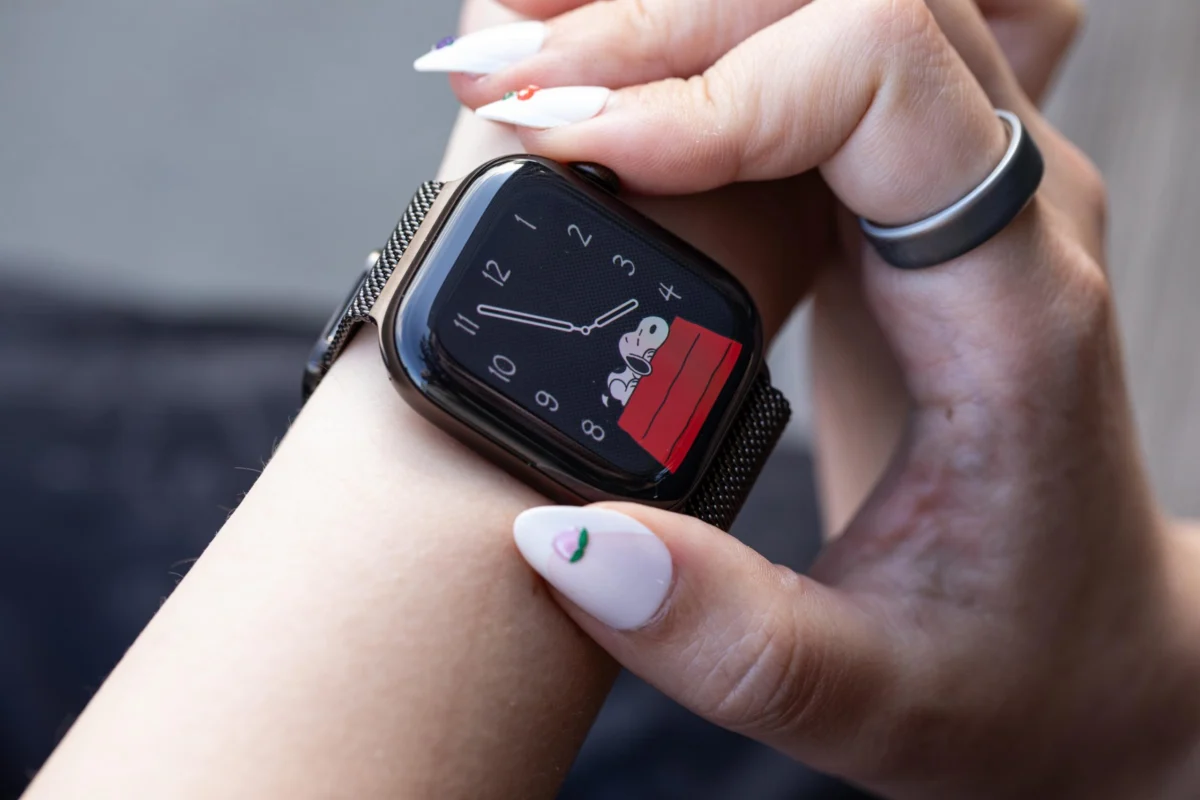
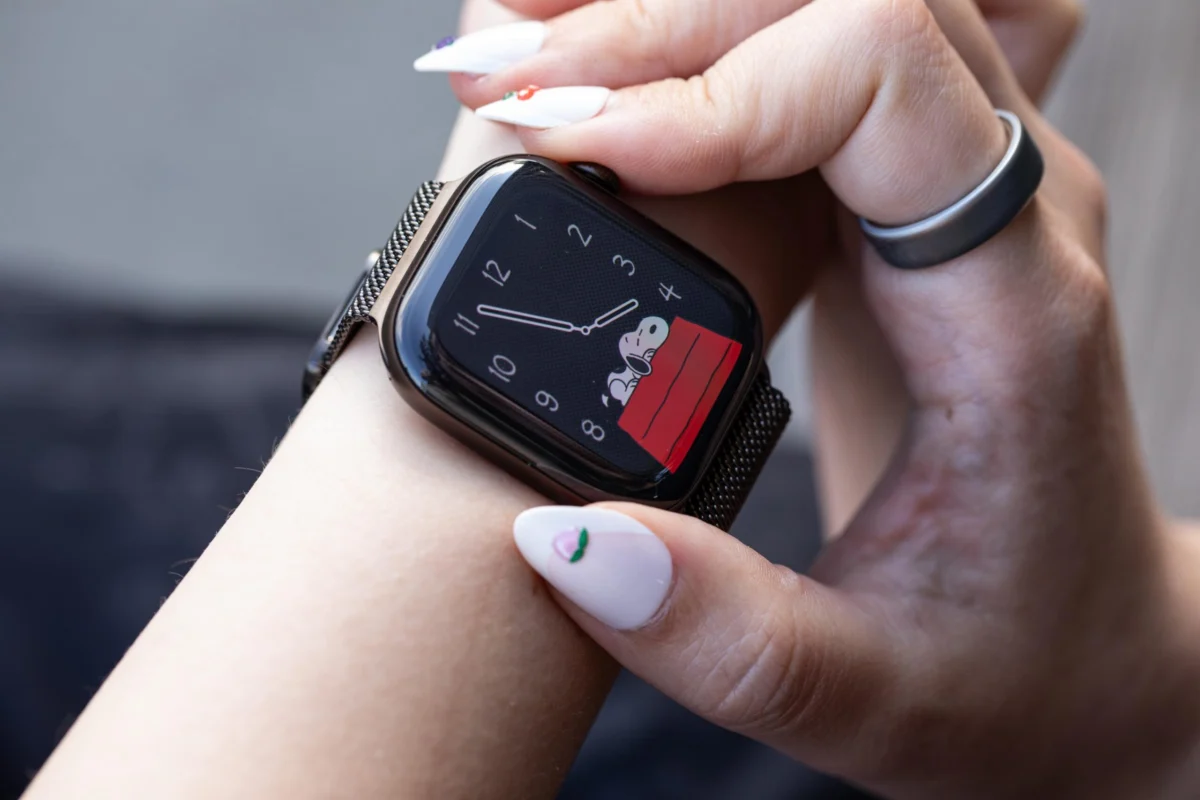
In a landmark ruling that could reshape the landscape of mobile device innovation and intellectual property litigation, a federal jury in San Diego has ordered Apple Inc. to pay over $5.7 billion in damages to Taction, a company specializing in haptic feedback technology. The verdict stems from a patent infringement lawsuit filed by Taction in 2021, alleging that Apple’s widely implemented Taptic Engine technology, found in its popular iPhones and Apple Watches, unlawfully utilizes patented vibration-based tactile transducer systems developed by Taction. This substantial financial penalty underscores the critical importance of intellectual property in the fiercely competitive technology sector and highlights the potential ramifications for industry giants when patent rights are deemed violated.
The core of the legal battle revolved around two specific patents held by Taction: U.S. Patent No. 10,659,885 and U.S. Patent No. 10,820,117. These patents are foundational to Taction’s expertise in creating nuanced and responsive haptic feedback, enabling users to "feel" interactions with their devices in a more sophisticated and intuitive manner. The jury’s decision found that Apple had infringed upon specific claims within both of these patents, concluding that the Taptic Engine incorporated Taction’s proprietary technology without the necessary licensing agreements. Taction’s initial claims suggested that Apple had, in essence, reverse-engineered their patented haptic innovations by examining technology integrated into two Kannon gaming headsets. While the jury sided with Taction on the infringement aspect, it notably did not find Apple’s actions to be willful, a distinction that can sometimes influence the severity of damages awarded. Apple has publicly stated its intention to appeal the verdict, setting the stage for a potentially protracted legal process that could extend beyond the initial jury decision.
Understanding the significance of this verdict requires a deeper dive into the realm of haptic technology and its integration into modern consumer electronics. Haptic feedback, in its most basic form, refers to the use of touch to communicate with a user. This can range from simple vibrations to more complex sensations designed to mimic textures, impacts, or other physical interactions. In the context of smartphones and wearables, advanced haptics have become a crucial element of user experience, enhancing everything from typing and gaming to notifications and virtual interactions. The subtle buzz of an incoming message, the satisfying click of a virtual button, or the immersive rumble in a mobile game all owe their existence to sophisticated haptic engines.
Taction’s patents, as described, focus on the underlying principles and mechanisms that allow for precise control over vibration patterns, intensity, and duration. This level of control is what differentiates basic buzzing from the nuanced tactile responses that contribute to a premium user experience. The Taptic Engine, Apple’s proprietary system, is renowned for its sophisticated haptic feedback, which many critics and users have praised for its quality and responsiveness. The jury’s finding suggests that the innovative elements Taction patented are indeed integral to the functionality that Apple offers its customers.
The scale of the awarded damages – over $5.7 billion – is exceptionally high for a patent infringement case, particularly in the technology sector. Such figures often reflect a combination of factors, including the perceived value of the infringed intellectual property, the duration of the infringement, and the market share and profitability of the infringing product. For a company like Apple, with its vast global reach and immense revenue streams, the financial implications of such a verdict are significant, even if the company ultimately prevails in an appeal. The damages awarded are likely calculated based on a royalty rate applied to the sales of infringing devices over the period of infringement, as well as potential lost profits or other economic harms suffered by the patent holder.
This case also brings to the forefront the complex challenges of patent litigation in the technology industry. Companies invest heavily in research and development, and protecting their intellectual property is paramount. However, the rapid pace of technological advancement and the interconnected nature of innovation can lead to disputes over the ownership and application of patented technologies. Often, new technologies build upon existing ones, leading to intricate questions of prior art, inventive step, and infringement. In this instance, Taction’s claim that Apple reverse-engineered their technology from external devices adds another layer to the complexity, suggesting a deliberate effort to replicate their innovation.

The implication of this verdict extends beyond Apple and Taction. It serves as a potent reminder to all technology companies, especially those operating at the forefront of innovation, of the critical need for robust intellectual property management and due diligence. Companies must ensure they are not infringing on existing patents and must actively protect their own innovations. For smaller companies or independent inventors like Taction, such a verdict, if it stands, can provide significant vindication and financial resources to continue their work. Conversely, for larger corporations, it underscores the potential financial risks associated with perceived patent violations, even if their intent was not malicious.
The jury’s decision not to find willful infringement is a crucial nuance. Willful infringement can sometimes lead to enhanced damages, including punitive awards. The absence of this finding suggests that while the jury concluded infringement occurred, they did not find sufficient evidence to prove that Apple knowingly and intentionally disregarded Taction’s patent rights. This distinction is often significant during the appeals process.
Looking ahead, Apple’s stated intention to appeal means this legal saga is far from over. Appeals in patent cases can be lengthy and complex, often focusing on legal interpretations, evidentiary standards, and procedural fairness. The outcome of an appeal could uphold the original verdict, overturn it entirely, or modify the damages awarded. Regardless of the final resolution, the case has already had a significant impact by bringing attention to the value and potential vulnerability of haptic technology patents.
Furthermore, this verdict may prompt other companies to review their own haptic technology implementations and licensing agreements. The potential for similar lawsuits could increase, leading to a more cautious approach to integrating new tactile feedback features. It also highlights the ongoing tension between rapid product development and the legal frameworks designed to protect intellectual property. The technology sector thrives on collaboration and the building upon existing innovations, but the line between inspiration and infringement can be fine and is often adjudicated in courts.
The substantial damages awarded in this case could also influence the valuation of intellectual property in the haptics sector. Companies holding patents in this area may see their assets gain increased value, potentially leading to more aggressive licensing strategies or a surge in patent acquisition activities. For investors and stakeholders in technology companies, understanding the intellectual property landscape and potential litigation risks is becoming increasingly vital.
In conclusion, the federal jury’s decision against Apple in the Taction patent infringement case represents a significant legal and financial development. The $5.7 billion in damages awarded underscores the perceived value of Taction’s haptic technology and the jury’s finding that Apple’s Taptic Engine infringed upon these patents. While Apple’s intent to appeal suggests a protracted legal battle, the verdict itself serves as a powerful statement on the importance of intellectual property rights in the fast-paced world of consumer electronics and highlights the substantial financial consequences that can arise from patent disputes. The long-term implications for Apple, the broader tech industry, and the future of haptic innovation will unfold as this case progresses through the appeals process.


 Safa Marwah

 Lisa Mariana