
 Aura Kasih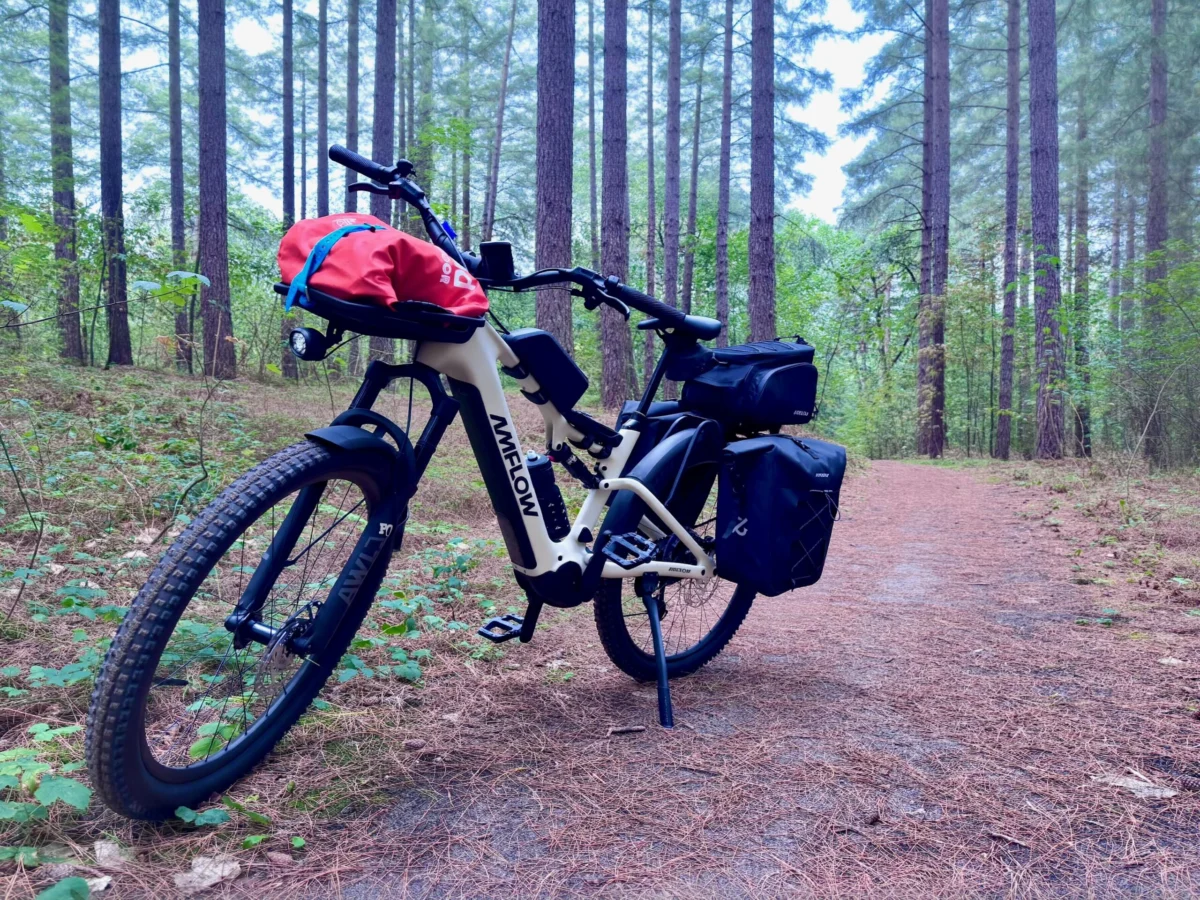
The burgeoning category of electric bicycles, often dubbed "eSUVs," promises a singular solution for cyclists seeking to seamlessly transition from navigating bustling city streets to conquering rugged trails. These versatile machines, characterized by their robust construction, wide all-terrain tires, and integrated suspension systems, aim to be the ultimate utility vehicle for two-wheeled transport. This in-depth review examines the capabilities of such a hybrid, specifically the Amflow TL Carbon, by subjecting it to rigorous testing in both its intended urban and off-road environments.
The allure of an electric bicycle that can effortlessly switch gears from the daily grind of asphalt commuting to the exhilaration of gravel and dirt adventures is undeniable. This new breed of e-bike, conceptually mirroring the versatility of their automotive SUV counterparts, presents a compelling proposition. Equipped with substantial all-terrain tires, front and rear suspension, and practical additions like fenders and integrated racks, these "electric SUVs" are designed to be as adept at grocery runs as they are at weekend excursions.
To ascertain the validity of these claims, a comprehensive evaluation was undertaken on the Amflow TL Carbon e-bike. Amflow, a company that has previously disrupted the electric mountain bike (eMTB) market with its compact and powerful Avinox motor technology, has now applied its engineering prowess to this multi-terrain segment. The testing regimen spanned a month and was conducted in the diverse landscape of Amsterdam, culminating in a three-day bikepacking expedition. This journey incorporated the iconic coastal bicycle superhighways of the Netherlands, as well as more challenging single-track forest routes, providing a thorough cross-section of typical use cases.

The findings confirm a nuanced reality: while these crossover e-bikes offer significant advantages, they are not without their compromises. The Amflow TL Carbon, priced at approximately €3,499 / $3,899, represents a significant investment. However, for this price point, users acquire a remarkably capable crossover e-bike that effectively serves dual purposes, facilitating weekday errands and weekend trail exploration.
The eSUV concept is gaining significant traction in the market, with several prominent manufacturers now offering similar models. Brands such as Canyon, Specialized, and Riese & Müller have all introduced electric bikes designed to cater to a broader spectrum of riding conditions. This trend reflects a growing consumer demand for a single bicycle that can adapt to a variety of lifestyles and terrains, moving beyond the traditional segmentation of urban commuters, road bikes, and dedicated mountain bikes.
The Amflow TL Carbon’s design is rooted in the same innovative Avinox drive system that previously made waves in the eMTB industry. While the TL Carbon is engineered to be slightly less aggressive and powerful than Amflow’s top-tier eMTB offerings, its off-road heritage is clearly evident in its robust construction and capable motor. This lineage suggests a foundation built for performance, even when configured for broader utility.

The bikepacking adventure undertaken as part of this evaluation aimed to push the Amflow TL Carbon to its limits. The journey from Amsterdam to Texel Island, a distance of 170 kilometers, presented a varied terrain profile. Approximately 70% of the route consisted of paved roads, 20% comprised gravel and dirt paths, and a challenging 10% involved rutted, hilly single-track trails typically reserved for dedicated mountain bikers. The prospect of navigating these technical sections with a 19.2 kg (42.3 lbs) bicycle, carrying a rider weighing 87 kg (190 lbs) and an additional 20 kg (44 lbs) of gear, was a significant undertaking.
However, the Amflow’s compact Avinox M2 mid-drive motor, boasting an impressive 125 Nm of torque and a peak output of 1100W, proved remarkably effective. It not only flattened steep and technical climbs but also allowed the rider to ascend ascents that even unladen mountain bikers might find challenging. This performance clearly demonstrates that the TL Carbon possesses genuine off-road capabilities, transcending its urban-oriented features.
The range achieved from the 800Wh battery was also a notable positive, even considering the challenging windy conditions encountered during the bikepacking trip. Amflow does offer an optional battery extender, providing an additional 480Wh, but its necessity was not apparent during this extended excursion. The efficiency of the system was particularly impressive; in Eco mode, the bike consumed approximately 7.58Wh per kilometer (or 12.2Wh per mile) when carrying a substantial load over 82.3 km (51.1 miles) on the longest day of the trip. This level of efficiency is a testament to the optimized integration of the motor, battery, and drivetrain.

The removable nature of the TL Carbon’s battery is a significant advantage, particularly for urban use and bikepacking scenarios where charging opportunities may be limited. Unlike some of Amflow’s more performance-oriented eMTBs, the TL Carbon’s battery can be easily detached and charged in various locations, such as cafes, bars, or at home. The well-developed cycling infrastructure in the Netherlands facilitated easy access to public charging points, but the inherent portability of the battery is a universal benefit.
Despite its off-road prowess, the Amflow TL Carbon, as a hybrid e-bike, inevitably involves compromises. The 27.5-inch front wheel, while adequate for urban navigation, is less adept at rolling over obstacles like roots and rocks compared to the 29-inch wheels commonly found on modern mountain bikes. Fortunately, the frame design allows for the potential to swap to a 29er wheel if a rider prioritizes dedicated trail performance. The riding geometry is also more upright than what many experienced trail riders might prefer, and the suspension travel, both front and rear, is relatively limited, optimized more for absorbing urban potholes than for tackling significant drops.
The inclusion of features essential for urban cycling—such as integrated lighting, a kickstand, a bell, mudguards, and front and rear racks—adds considerable weight to the otherwise lightweight (3.9 kg) carbon fiber frame. While these accessories are highly functional for daily use, their integration means they are not designed for quick removal. Transitioning the bike from its fully equipped urban configuration to a more stripped-down trail-ready setup, or vice versa, can be a time-consuming process, potentially taking 30 minutes or more each way. This duality highlights the inherent challenge of creating a truly universal bicycle.

For individuals considering the Amflow TL Carbon as their sole bicycle, it undoubtedly fulfills its urban duties effectively. However, the analogy of outfitting a World War II-era jeep with luxury features and calling it a city car captures the essence of this compromise. The eSUV’s mountain bike DNA is palpable, and while it can navigate city streets, it may feel somewhat out of place.
In an urban context, the Amflow TL Carbon’s aesthetic and componentry can appear conspicuous. The visible gas shock, Fox branding, and aggressive, knobby tires distinctly differentiate it from more conventional city bikes. This can be a concern in areas prone to bicycle theft, where a less ostentatious vehicle might be preferred for street parking. While the Amflow is equipped with Apple Find My tracking, the visual cues of its high value might deter some users from leaving it unattended in public spaces.
The choice of tires on the TL Carbon is a significant factor in its dual-purpose design. The Maxxis Crossmark II tires, while performing competently on trails, introduce noticeable compromises for urban commuting. Their aggressive tread pattern increases rolling resistance and generates audible noise on paved surfaces. Furthermore, they lack the advanced puncture protection features typically found on tires designed specifically for commuting and touring, making them more susceptible to flats from common urban hazards like glass and construction debris. The knobby tread also contributes to a less stable feel during fast cornering on pavement, a sensation that diminishes as the nubs gradually wear down.

Another notable omission for urban utility is the absence of a chain guard. While standard practice on mountain bikes, its absence on a city-oriented machine presents a practical challenge. The exposed drivetrain poses a risk of snagging clothing, such as trousers or skirts, and can also lead to grease stains on attire when transitioning from a ride to social engagements.
The integrated dropper seat post is a feature that offers benefits in both urban and trail riding scenarios. Its inclusion is now commonplace on mountain bikes and enhances the bike’s versatility by allowing for easy adjustment to accommodate riders of varying heights, facilitating bike sharing. However, the seatpost and saddle cannot be easily secured when the bicycle is parked, presenting a potential vulnerability to theft.
The practical utility of the Amflow TL Carbon for carrying cargo is a significant strength. The front rack, designed to accommodate a bungee cord or similar securing method, is ideal for quick errands. The rear rack is MIK HD-compatible, allowing for the secure attachment of a child seat for transporting young passengers. The quick-release panniers and top bag, provided by Amflow, proved highly functional during the bikepacking trip and are equally useful for urban errands. Users can simply detach the panniers for shopping, fill them with groceries, reattach them to the bike, and continue their journey with ease.

In conclusion, the Amflow TL Carbon e-bike represents a compelling proposition for riders seeking a versatile machine capable of handling both urban commuting and off-road adventures. Its performance on trails, even when fully loaded, is surprisingly agile and powerful, underscoring its genuine off-road credentials. The bike’s cargo-carrying capacity also makes it a practical choice for daily urban life, provided users are comfortable with the aesthetic and functional implications of riding a mountain bike in a city environment. The Amflow TL Carbon effectively embodies the "sport utility vehicle" concept, offering a level of adaptability that surpasses many of its gasoline-powered counterparts. Its ability to seamlessly integrate into diverse riding scenarios positions it as a noteworthy contender in the evolving landscape of electric bicycles.
Specifications:
- Motor: Amflow Avinox M2 Mid-Drive
- Torque: 125 Nm
- Peak Output: 1100W
- Battery: 800Wh (Removable)
- Optional Battery Extender: 480Wh
- Wheel Size: 27.5-inch front (29-inch compatible)
- Suspension: Front and Rear
- Frame Material: Carbon Fiber
- Weight: 19.2 kg (42.3 lbs) without gear
- Price: Approximately €3,499 / $3,899
All photography by Thomas Ricker / The Verge.




 Safa Marwah

 Lisa Mariana