
 Aura Kasih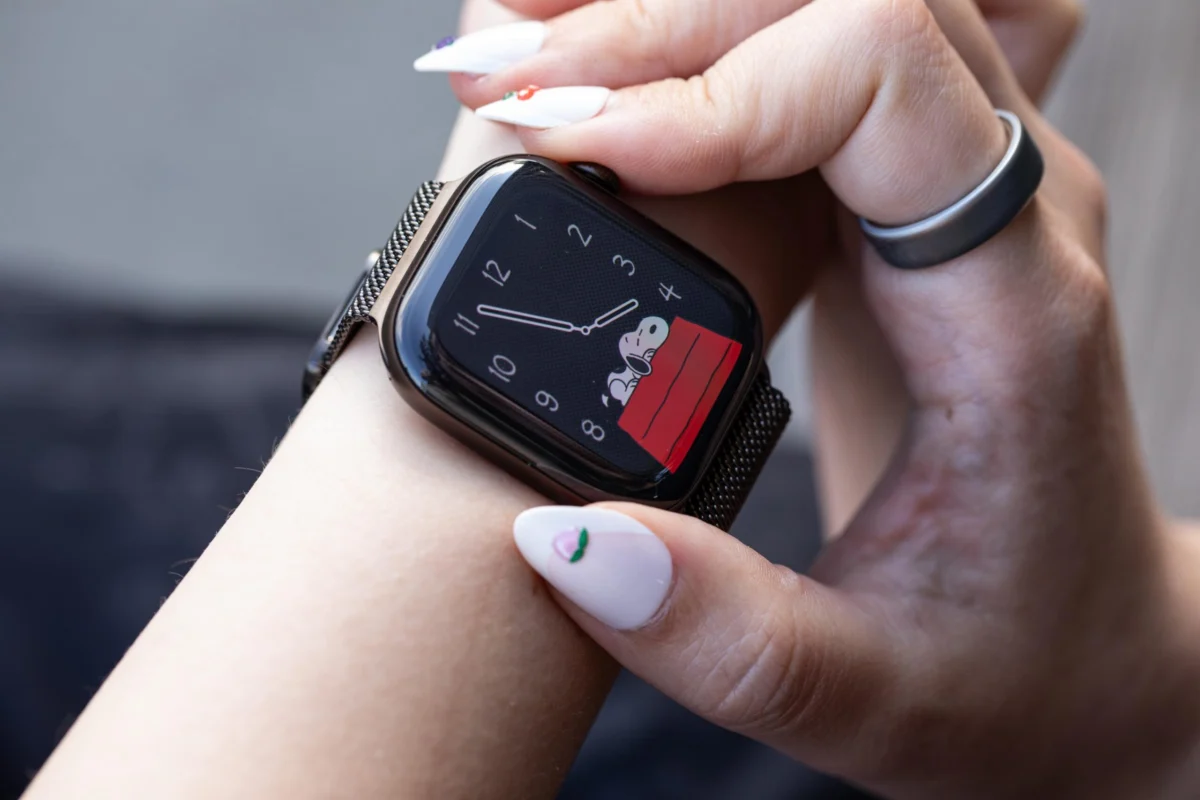
A landmark legal battle has concluded with a substantial jury award against Apple Inc., stemming from allegations of patent infringement related to its pioneering haptic feedback technology. The tech giant has been ordered to pay over $5.7 billion in damages to Taction Technology, a firm specializing in tactile transducer innovations. This verdict, delivered by a federal jury in San Diego, marks a significant development in intellectual property disputes within the consumer electronics industry and highlights the intricate legal landscape surrounding technological advancements.
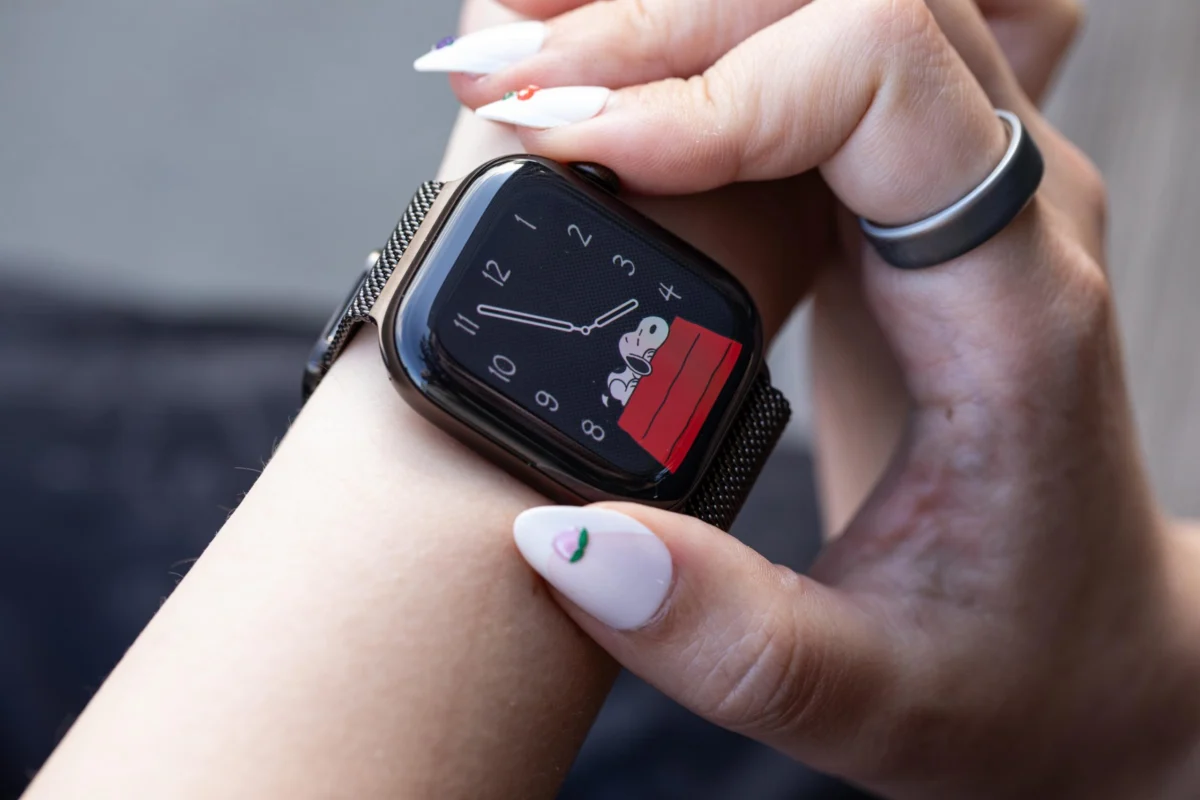
The core of the legal dispute, initiated by Taction Technology in 2021, revolved around two of its patents: U.S. Patent No. 10,659,885 and U.S. Patent No. 10,820,117. These patents describe sophisticated vibration-based tactile transducer technologies, designed to imbue electronic devices with nuanced physical feedback, allowing users to perceive responses to their interactions. Taction Technology contended that Apple’s widely adopted Taptic Engine, a key component in its Apple Watch and iPhone product lines, incorporated patented technology without proper licensing. The jury’s decision, finding infringement on specific claims within both patents, validates Taction’s assertions regarding Apple’s utilization of their intellectual property.
The jury’s determination of infringement was based on the Taptic Engine’s implementation of haptic feedback mechanisms. Taction’s legal team presented evidence suggesting that Apple had effectively reverse-engineered its patented technology from gaming headsets manufactured by Kannon, a claim that appears to have resonated with the jury. While the jury found that Apple had indeed infringed upon Taction’s intellectual property, it notably did not conclude that this infringement was willful. This distinction is crucial, as willful infringement can often lead to enhanced damages, although the awarded sum of over $5.7 billion is already substantial.
The Taptic Engine, first introduced by Apple in 2015, revolutionized the user experience for millions by providing a more sophisticated and nuanced form of tactile feedback than previously common. Instead of simple buzzing, the Taptic Engine delivers precise vibrations that simulate physical sensations, such as the click of a virtual button or the texture of on-screen elements. This technology has become an integral part of the Apple ecosystem, enhancing everything from device notifications to the immersive qualities of mobile gaming. The success and pervasive nature of the Taptic Engine underscore the potential value and impact of innovative haptic technology.
This verdict carries significant implications, not only for Apple but for the broader technology sector. For Apple, the immediate challenge is the financial liability, which represents a considerable sum even for a company of its scale. The company has publicly stated its intention to appeal the decision, suggesting that this legal battle is far from over. An appeal process could involve extensive legal arguments and potentially lead to a review of the jury’s findings, the damages awarded, or the interpretation of patent law in the context of modern technological integration.
Beyond the immediate financial consequences, the ruling could set a precedent for future patent litigation involving complex hardware and software integrations. It underscores the importance of robust patent portfolios and vigilant enforcement for technology companies. For innovators in the field of haptic technology, such as Taction Technology, this verdict offers a significant validation of their research and development efforts and a potential financial windfall that could fuel further innovation.

The landscape of intellectual property law is perpetually challenged by the rapid pace of technological advancement. Concepts like haptic feedback, which were once novel, are now deeply embedded in our digital interactions. Determining ownership and infringement in such a dynamic environment requires sophisticated legal analysis and a deep understanding of the underlying technologies. The jury’s decision in this case reflects a careful consideration of the technical details presented by both sides, aiming to balance the rights of patent holders with the need for technological progress and market competition.
Apple’s defense likely focused on arguments regarding the distinctiveness of its own innovations, the interpretation of the patent claims, or potentially the assertion that its Taptic Engine operates on principles that do not fall within the scope of Taction’s patents. However, the jury’s findings indicate that these arguments were not persuasive enough to overcome Taction’s evidence of infringement. The absence of a finding of willful infringement suggests that the jury may have viewed Apple’s actions as an oversight or an aggressive interpretation of existing technology rather than a deliberate attempt to steal intellectual property, though the financial ramifications remain substantial.
The case also brings to the forefront the role of independent innovators and smaller companies in the technology ecosystem. Taction Technology, while perhaps not as widely recognized as Apple, has developed proprietary technology that has proven to be of significant commercial value. The legal system, through patent law, aims to provide a mechanism for such innovators to protect their creations and benefit from their investments. This verdict, if upheld, could serve as a powerful incentive for other specialized technology firms to pursue legal avenues when they believe their intellectual property rights have been violated.
The long-term implications for Apple’s product development and intellectual property strategy are also worth considering. The company may need to conduct more rigorous internal reviews of its technology development processes to ensure compliance with existing patents. This could involve increased due diligence, licensing negotiations, or even a re-evaluation of certain technological approaches to mitigate future legal risks. The significant damages awarded may also prompt a more cautious approach to adopting new technologies without clear intellectual property clearance.
The broader impact on the consumer electronics market could be a heightened awareness of patent issues related to user interface and sensory feedback technologies. Companies across the industry may review their own haptic systems and licensing agreements to avoid similar legal entanglements. This could lead to a more robust marketplace for intellectual property licensing or, conversely, a more litigious environment as companies aggressively defend their patented innovations.
As Apple prepares its appeal, the technology industry will be closely watching the subsequent legal proceedings. The outcome of this appeal could further shape the interpretation of patent law in the context of rapidly evolving digital technologies and have a lasting effect on how innovation is protected and commercialized in the future. The case serves as a potent reminder of the complex interplay between technological advancement, intellectual property rights, and the legal frameworks designed to govern them. The substantial damages awarded underscore the immense value placed on proprietary technological components that define the user experience in modern devices.


 Safa Marwah

 Lisa Mariana