Lisa Mariana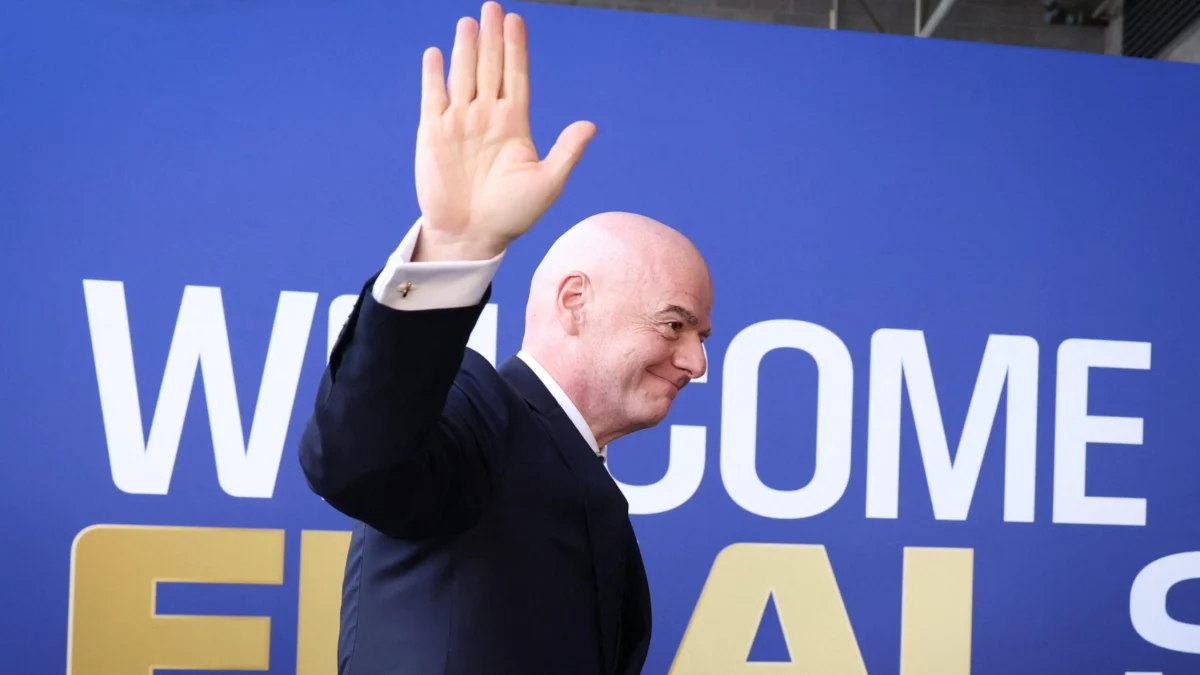
The leadership of global football’s paramount institution, FIFA, is facing an unprecedented period of instability, as recent strategic missteps by President Gianni Infantino have ignited widespread criticism and eroded confidence among key continental confederations, compelling a rigorous examination of his tenure and the viability of potential successors.
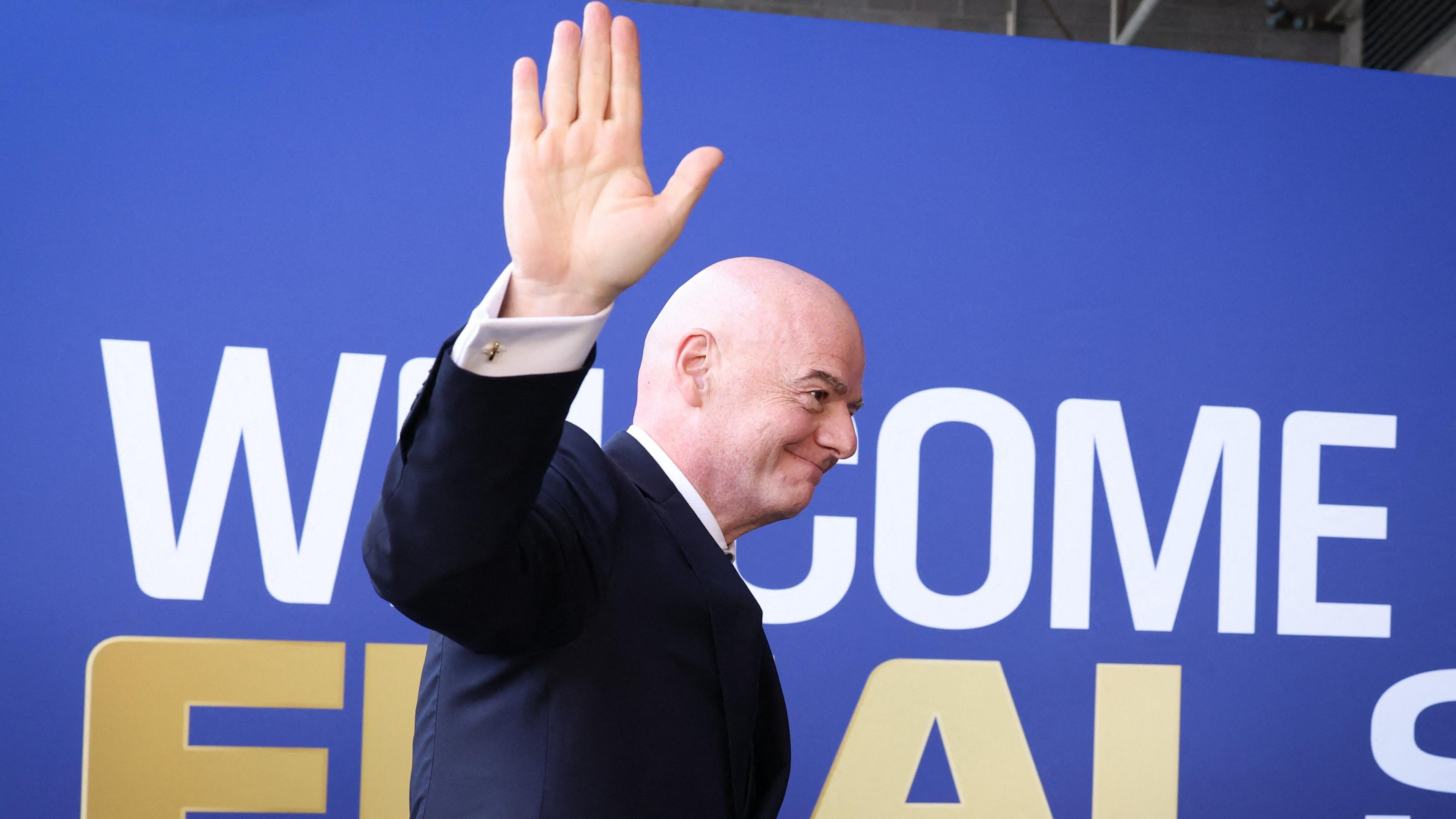
Just weeks after presiding over the triumphant conclusion of the World Cup in the United States, an event that seemingly underscored his global influence and the sport’s enduring appeal, Gianni Infantino finds his position at the helm of FIFA increasingly tenuous. The euphoria of the tournament, where he was a highly visible figure alongside world leaders, has rapidly dissipated, replaced by a storm of dissent following the abrupt abandonment of a controversial plan to commercialize significant stakes in FIFA competitions through private investment. This pivot from a position of apparent strength to one of profound vulnerability highlights the volatile nature of football’s highest office and the complex political landscape its leader must navigate.
The proposed private equity deal, envisioned to inject substantial capital into FIFA’s coffers, was met with fierce resistance across various footballing territories. While the financial allure of such a venture might have appealed to some, the core concerns revolved around the potential for a loss of control over the sport’s commercial future, an erosion of its intrinsic values, and a perceived lack of transparency in the proposal’s genesis and development. Critics argued that privatizing portions of FIFA’s crown jewels, such as future World Cup rights, would fundamentally alter the governance model of global football, prioritizing commercial interests over the collective good of member associations.
The backlash was swift and severe. Notably, the Union of European Football Associations (UEFA), a critical and influential confederation, issued a scathing declaration of no confidence in Infantino’s leadership. This pronouncement from European football’s governing body, often a bellwether for wider sentiment, signals a profound rupture in relations. UEFA’s discontent stemmed not only from the specifics of the investment proposal but also from a deeper dissatisfaction with FIFA’s consultative and decision-making processes under Infantino’s stewardship.
Beyond Europe, the Confederation of North, Central America and Caribbean Association Football (Concacaf) and the Asian Football Confederation (AFC) also articulated their profound reservations. The AFC, representing the vast and rapidly developing Asian football market, stated that the issue transcended a single proposal, instead exposing "fundamental weaknesses in Fifa’s consultation and decision-making processes that must now be addressed." This collective critique from three of football’s most powerful confederations underscores a systemic dissatisfaction with the current leadership paradigm. Sources within Concacaf indicated that a significant majority of its members had either lost faith in Infantino’s capacity to govern or were on the verge of doing so, citing a growing belief that the organization was being run without adequate input from its constituent parts.
Adding to the external pressure, the controversy also reverberated through political spheres. The condemnation from UK Prime Minister Andy Burnham, a figure with a keen interest in football governance, brought an additional layer of scrutiny, indicating that the implications of FIFA’s internal politics are not confined to the sporting world but extend to broader governmental concerns regarding transparency and accountability in global institutions.
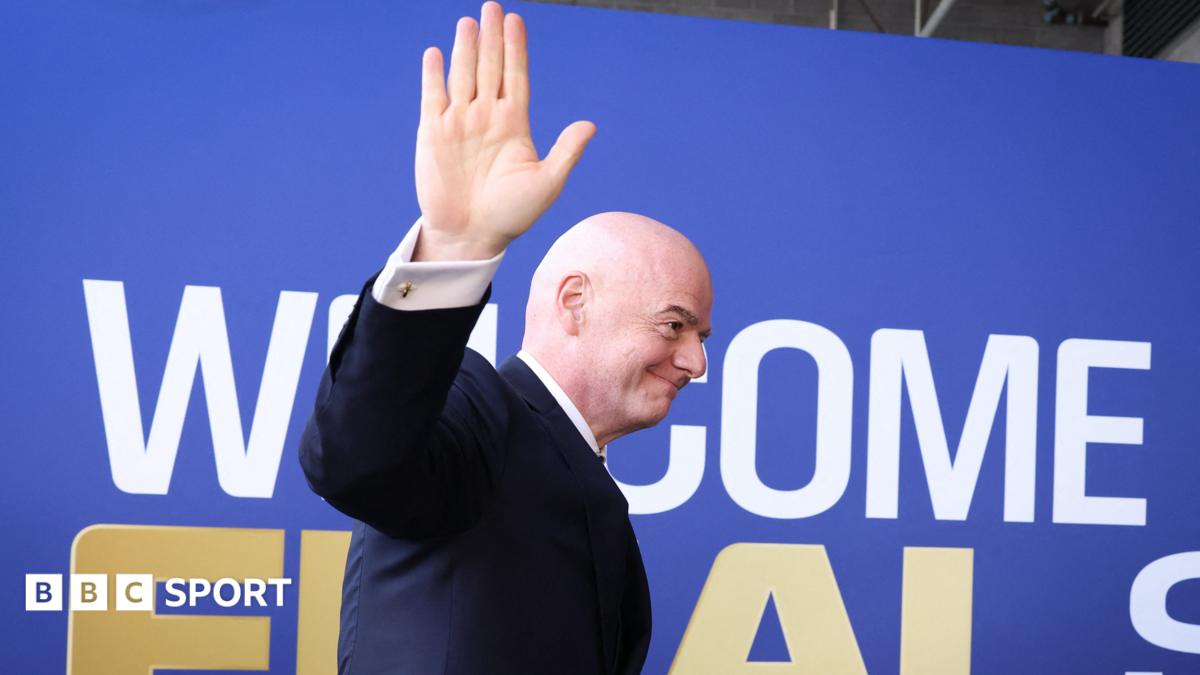
The internal ramifications have been equally damaging. The resignation of Carlos Cordeiro, a special adviser to Infantino and a senior adviser to the White House Task Force for the 2026 World Cup, marked a significant departure. Furthermore, a statement attributed to FIFA’s Chief Operating Officer, Kevin Lamour, reportedly indicated that FIFA’s own administration felt "deceived" regarding the project, suggesting a profound breakdown of trust and communication within the organization’s upper echelons. Such internal discord, particularly concerning a project of this magnitude, points to severe governance deficiencies that challenge the very integrity of Infantino’s administration. The cumulative effect of these condemnations, both external and internal, creates an undeniable impression that the walls are indeed closing in on the incumbent president.
The Resilience of FIFA’s Incumbency: A Historical Perspective
Despite the mounting pressure, an immediate ousting of Infantino remains a complex proposition, largely due to the unique political dynamics inherent within FIFA. As former Football Association chairman David Bernstein observed, in a conventional organization, such a significant policy reversal and widespread dissent would likely lead to a leadership change. However, FIFA is far from a conventional entity. Its president’s mandate is largely derived from the support of a simple majority of the 211 national associations, many of whom are heavily reliant on FIFA’s development funds and global initiatives. This structure often fosters loyalty, making it challenging for a unified opposition to coalesce effectively.
Gianni Infantino, 56, assumed the FIFA presidency in 2016, inheriting an organization reeling from unprecedented corruption scandals that led to the downfall of his predecessor, Sepp Blatter. His initial mandate was clear: to restore credibility and integrity to global football governance. His campaign promise to "bring football back to Fifa and Fifa back to football" resonated with many, leading to his victory over Sheikh Salman al-Khalifa. Since then, he has been re-elected twice unopposed, a common occurrence in FIFA’s history, as exemplified by Blatter’s unopposed re-elections in 2007 and 2011, and the long, unchallenged reign of João Havelange, who served five terms after unseating Sir Stanley Rous in 1974.
Infantino’s deep familiarity with football politics, honed during his seven-year tenure as UEFA’s secretary general, is a significant asset. He understands the intricate web of alliances and dependencies that underpin FIFA’s electoral system. While letters of support for his expected re-election next March have already been submitted, the critical question now is whether these endorsements will be withdrawn in the face of the current crisis. The historical precedent suggests that unseating an incumbent FIFA president is an exceptionally rare feat, requiring an extraordinary convergence of opposition forces.
Potential Successors: Navigating the Complexities of Global Football Leadership
Should the current crisis escalate sufficiently to challenge Infantino’s re-election or force his resignation, a field of potential successors would emerge, each bringing distinct qualifications, regional support, and governance philosophies to the table. The next FIFA president will be confirmed at the organization’s 77th Congress in Morocco next March, with candidates having until November 18 to formally declare their intentions.
Victor Montagliani (Concacaf President)
As the current president of Concacaf, Victor Montagliani has established himself as a prominent figure in global football governance. Elected in 2016 on a platform of reform, mirroring Infantino’s initial mandate, Montagliani brings a strong track record of leadership. His previous role as president of Canada Soccer and his instrumental involvement in the successful joint bid for the 2026 World Cup, the first to be hosted by three nations, underscore his strategic capabilities and diplomatic skills. His fluency in English, French, Italian, and Spanish further enhances his ability to engage with a diverse global constituency.
Montagliani’s independent stance on contentious issues, such as Arsene Wenger’s proposal for a biennial World Cup and the idea of a 64-team tournament, demonstrates a pragmatic approach focused on the long-term health of the game rather than immediate commercial gains. His philosophy, articulated at the Leaders conference in 2025, that "The game is bigger than world current leaders… Football will survive regimes," suggests a commitment to the sport’s enduring principles over individual political agendas. His leadership in Concacaf’s hosting of an expanded Copa America in 2024 further solidifies his credentials as an administrator capable of executing large-scale international competitions. Montagliani’s profile as a reformer with strong regional backing and a demonstrated capacity for independent thought positions him as a credible potential challenger.
Sheikh Salman bin Ebrahim Al Khalifa (AFC President)
Sheikh Salman, president of the Asian Football Confederation, is another formidable figure with a significant power base. First elected in 2013 and recently re-elected unopposed for a fourth term until 2027, the Bahraini royal has presided over a period of substantial growth and development within Asian football. Under his leadership, the AFC has significantly expanded its club competitions, introducing the Champions League Elite, Champions League Two, the Challenge League, and launching the Women’s Champions League in 2024-25. The expansion of the Asian Cup to 24 teams further demonstrates his vision for broadening participation and enhancing the sport’s profile in the continent.
Sheikh Salman’s leadership in the AFC’s robust criticism of Infantino’s governance model is particularly significant. He effectively mobilized the 46-member confederation, many of whom, despite the potentially lucrative financial offers from Infantino’s private investment plan, prioritized transparent governance and collective decision-making. His ability to unite a diverse confederation and articulate a principled stand against FIFA’s current direction underscores his political acumen and potential to lead a broader coalition. Having previously challenged Infantino for the presidency in 2016, Sheikh Salman possesses direct experience in a FIFA electoral campaign and understands the intricacies of the global voting blocs.
Nasser Al-Khelaifi (PSG President and Chair of European Football Clubs)
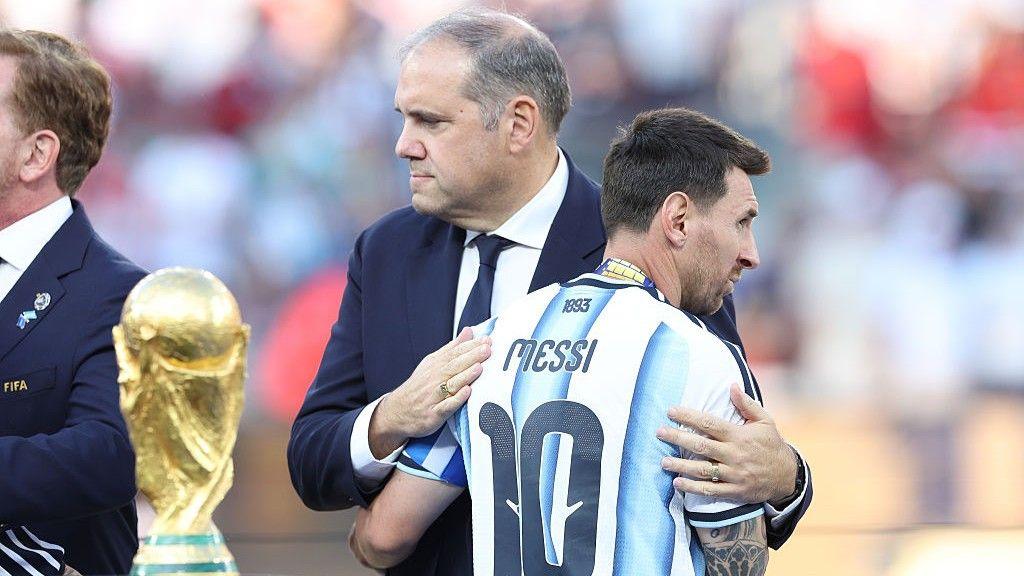
While he has publicly expressed a lack of desire for the FIFA presidency, Nasser Al-Khelaifi’s immense influence in global football cannot be overlooked. As the president of Paris Saint-Germain and, crucially, the chair of the European Football Clubs association (formerly the ECA), he holds a pivotal position, particularly in the aftermath of the ill-fated European Super League attempt in 2021. Al-Khelaifi played a key role in unifying European clubs against the Super League, expanding the association to over 800 members and consolidating its power. His leadership in a period of such seismic change demonstrated his strategic foresight and diplomatic capabilities, bringing together disparate interests under a common banner.
His extensive experience at the pinnacle of club football, coupled with his diplomatic efforts in bridging divides between clubs and governing bodies, makes him an influential voice. Despite reports suggesting his disinterest in the FIFA role, his capacity to lead and his network of high-level contacts across the footballing world position him as a theoretical, albeit reluctant, contender whose influence would be crucial in any succession debate. His Qatari background also offers a potential non-European perspective, which could appeal to a wider range of national associations seeking a departure from the traditional European dominance of FIFA leadership.
Mattias Grafstrom (FIFA Secretary General)
Mattias Grafstrom, FIFA’s current Secretary General, represents an internal candidate with a deep understanding of the organization’s machinery. Appointed to his current role in May 2024, Grafstrom’s ascent within FIFA has been steady and significant, having served as Infantino’s chief of staff since the president’s election in 2016. His multi-lingual capabilities and visible presence at major FIFA events underscore his operational expertise and familiarity with global football’s administrative complexities.
However, Grafstrom’s close association with Infantino could be a double-edged sword. While it provides him with invaluable institutional knowledge, it might also link him too closely to the current administration’s perceived failings, potentially hindering his appeal as a candidate for radical change. Furthermore, the prevailing sentiment that FIFA’s next president should ideally be a non-European to reflect the sport’s global diversity could also count against a European candidate like Grafstrom, despite his undeniable administrative acumen. His candidacy would likely hinge on a narrative of continuity and internal reform, rather than a complete break from the past.
Conclusion: A Critical Juncture for Global Football Governance
FIFA stands at a critical juncture, facing not only a crisis of leadership but also a broader challenge to its governance model. The events of recent weeks have exposed a profound need for enhanced transparency, greater consultation with member associations, and a leadership approach that prioritizes the collective interests of global football over perceived commercial opportunities. The upcoming period, leading to the November 18 deadline for candidate nominations and the 77th Congress in March, will be crucial in determining the future trajectory of the world’s most popular sport. Whether Gianni Infantino can weather this storm or if a new leader emerges, the task of restoring confidence, unifying disparate factions, and navigating the increasingly complex political and commercial landscape of global football will be immense. The integrity and future direction of the beautiful game hang in the balance.



 Aura Kasih
 Safa Marwah
 Ayu Aulia