
 Aura Kasih
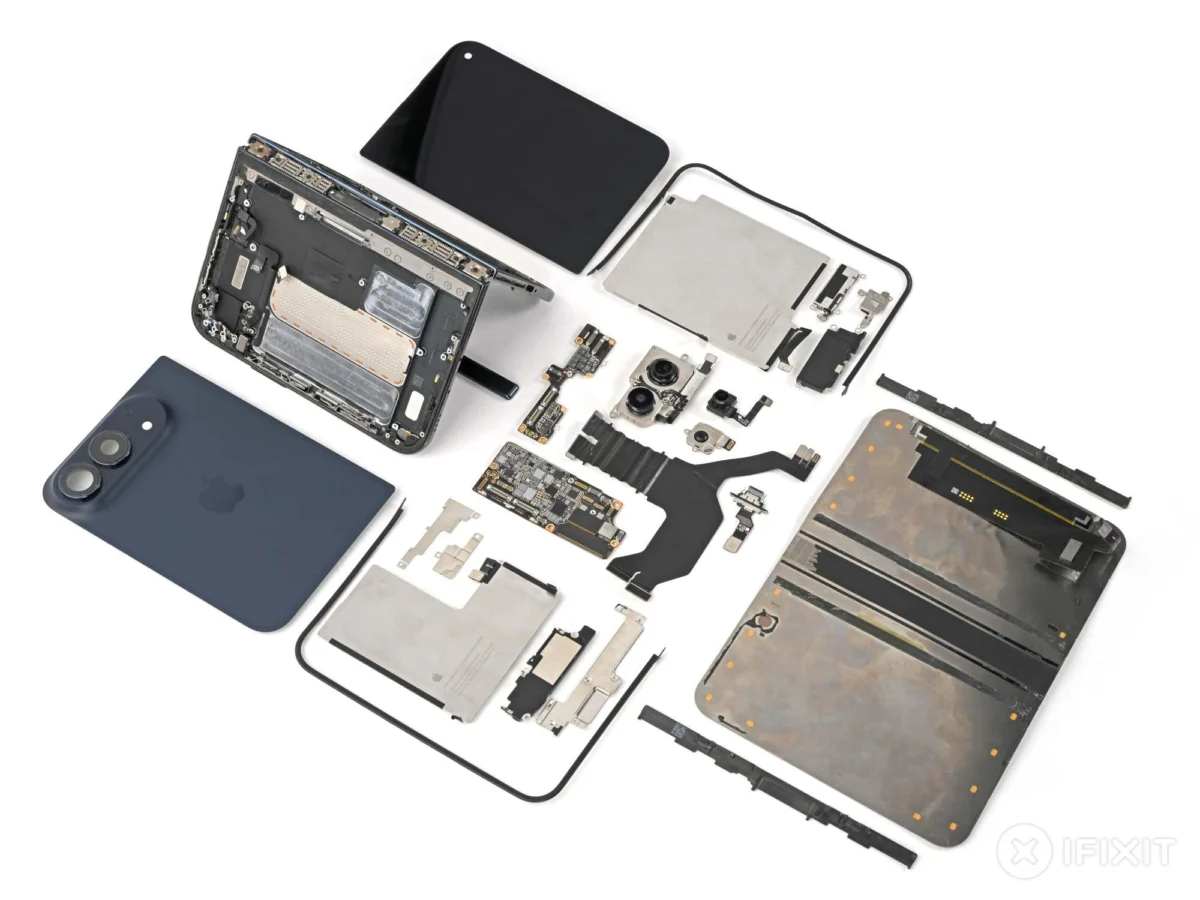
A recent in-depth examination of Apple’s groundbreaking foldable device by the renowned repair and teardown specialists at iFixit has provided crucial insights into its intricate design, potentially explaining early reports of screen and hinge failures. This detailed dissection not only reveals the engineering marvels behind the device’s folding mechanism and display technology but also offers a stark perspective on its repairability and potential vulnerabilities.
The advent of foldable smartphones has been heralded as a significant leap forward in mobile technology, promising the versatility of a tablet with the portability of a smartphone. However, this innovative form factor has also introduced a new set of engineering challenges, particularly concerning the durability of the flexible display and the complex hinge mechanisms that enable the device to fold and unfold. Apple’s entry into this nascent market, with its much-anticipated foldable device, has naturally drawn intense scrutiny, especially given the company’s reputation for meticulous design and engineering. iFixit’s teardown, a staple in the tech community for its meticulous dissection of new hardware, has now offered a rare glimpse into the internal architecture of this ambitious device, aiming to demystify its construction and address the concerns that have surfaced among early adopters.
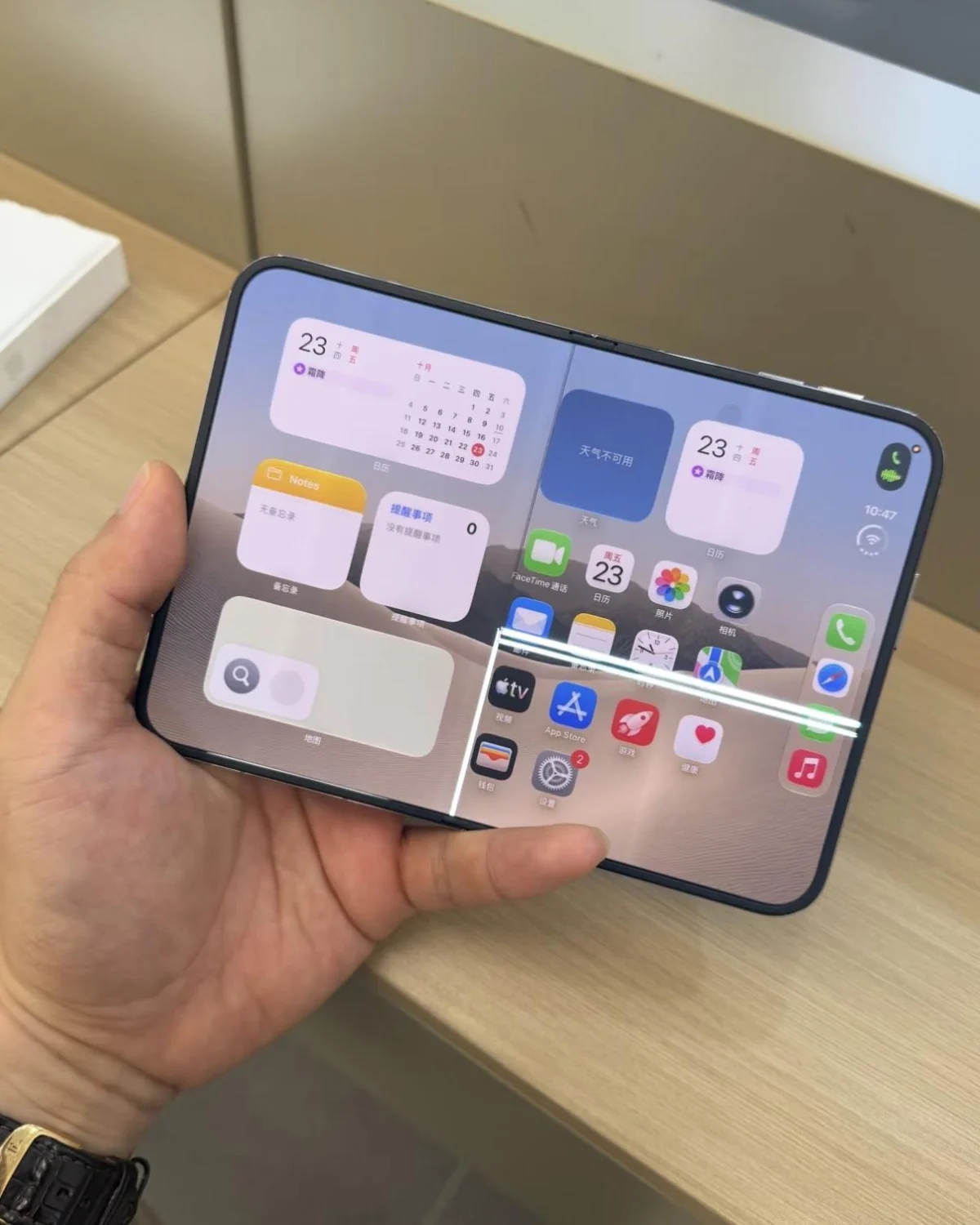
One of the most prominent aspects of foldable phone design is the visible crease that often forms at the point of articulation. This crease, a consequence of the flexible display being repeatedly folded, can detract from the aesthetic appeal and user experience. iFixit’s investigation into Apple’s foldable has uncovered sophisticated engineering solutions designed to mitigate this issue. The internal screen features a matte nano-texture cover, a material that serves a dual purpose. Beyond enhancing readability by scattering ambient light and reducing glare, particularly in bright outdoor conditions, this textured surface plays a critical role in visually concealing the crease. When viewed under magnification, the display’s subpixels reveal an unusual oval shape, strategically arranged at varied angles. iFixit posits that this specific arrangement is a deliberate design choice aimed at further reducing visual artifacts and effectively camouflaging the crease, a testament to Apple’s commitment to a seamless user experience.
The outer layer of the display, with its nano-texture coating, appears to be designed for relative ease of replacement without necessitating a full OLED panel swap. This modularity, if indeed implemented as suggested, could potentially streamline certain repair processes. However, the prospect of repairing the underlying display itself is painted as a significantly more complex and costly undertaking, a characteristic shared with many other foldable devices currently on the market. The intricate nature of flexible displays, coupled with the demanding requirements of their manufacturing process, often translates to exorbitant repair costs when damage occurs. This economic reality underscores the importance of robust protective measures and careful handling for users of such advanced devices.
Furthermore, iFixit’s teardown addresses the concerning reports of screen damage and hinge failures that have emerged shortly after the device’s release. The hinge mechanism of Apple’s foldable is described as exceptionally complex, a necessary component to facilitate the folding and unfolding action. iFixit’s analysis suggests a potential vulnerability within this intricate system: a possibility that certain components of the hinge may not be fully retracting or seating correctly during the folding process. This misalignment could create stress points. Compounding this issue is the presence of an accordion-like cable that routes directly over this critical area, situated in close proximity to the battery. The proximity and routing of this cable could, in theory, concentrate pressure on the display or hinge assembly, leading to the audible cracking sounds reported by some users and, consequently, to screen breakage. This hypothesis, derived from a detailed examination of the internal structure, offers a plausible explanation for the reported durability issues, shifting the focus from user error to inherent design considerations.

The iFixit team’s assessment of the device’s repairability resulted in a score of 5 out of 10. While this score might not appear exceptionally high in absolute terms, it is notably the highest rating iFixit has awarded to any foldable device to date. This distinction suggests that while challenges remain, Apple may have made incremental improvements in design for repair compared to its competitors in the foldable segment. However, even with this relative improvement, the score indicates that significant obstacles persist for independent repair technicians and end-users seeking to service the device. The complexity of the internal components, the proprietary nature of certain parts, and the delicate integration of the foldable display all contribute to a repair process that is likely to be more time-consuming and costly than that of traditional smartphones.
Beyond the specific findings of the teardown, the analysis highlights broader implications for the future of foldable technology. The iterative nature of hardware development means that each new device, particularly in a nascent category, serves as a learning opportunity for both manufacturers and consumers. Apple’s approach, as revealed by iFixit, showcases a commitment to refining existing technologies – such as display coatings and subpixel arrangements – to address the unique challenges of foldable form factors. The pursuit of a crease-free experience and enhanced durability will undoubtedly continue to drive innovation in materials science, mechanical engineering, and display manufacturing.
The "crunchy" sensation reported by iFixit, stemming from dust ingress into the USB-C port, speaker grilles, and hinge, is a common concern for devices with moving parts and openings. While iFixit noted that less "glow dust" (a colloquial term for fine particulate matter) infiltrated the Apple foldable compared to certain other foldables like the Samsung Galaxy Z Fold 8 or Pixel 11 Pro Fold, it still indicates that sealing these intricate mechanisms against environmental contaminants remains an ongoing challenge. The effectiveness of dust and water resistance in foldable devices is a critical factor in their long-term reliability, and any compromise in this area can lead to accelerated wear and tear.
The potential concentration of pressure around the hinge area, as hypothesized by iFixit, warrants further investigation and potential design revisions by Apple. If this pressure point is indeed a contributing factor to screen failures, it suggests a need for more robust structural support or a redesign of the cable routing within the hinge assembly. The integration of an accordion cable that traverses a high-stress area of a folding mechanism is an inherent design dilemma that requires careful balancing of flexibility, durability, and protection. The fact that this cable is near the edge of the battery could also imply thermal management considerations, adding another layer of complexity to the engineering puzzle.
Looking ahead, the insights gleaned from iFixit’s teardown will likely inform future iterations of foldable devices, not just from Apple but from the industry as a whole. The ongoing dialogue between repairability advocates and manufacturers is crucial for fostering a more sustainable and accessible ecosystem for complex electronic devices. As foldable technology matures, we can anticipate advancements in screen materials that are more resilient to creasing and impact, as well as hinge designs that offer superior dust protection and structural integrity. The economic viability of repairs will also be a key area of focus, with manufacturers potentially exploring more modular designs and more affordable replacement parts.
The success of foldable smartphones hinges on their ability to offer a compelling user experience without compromising on the reliability and longevity that consumers have come to expect from high-end mobile devices. Apple’s foray into this market, with its characteristic focus on detail and integration, provides a valuable case study for the industry. The findings from iFixit’s meticulous examination serve as a critical benchmark, highlighting both the ingenious solutions employed and the persistent challenges that must be overcome to usher in a new era of mobile computing. The company’s response to these findings, whether through software updates, hardware revisions, or updated repair guidance, will be closely watched as a bellwether for the future of foldable device development and support. The intricate dance between innovation and practicality continues to define the evolution of personal technology, and the foldable segment remains a particularly dynamic frontier.



 Safa Marwah

 Ayu Aulia