 Safa Marwah
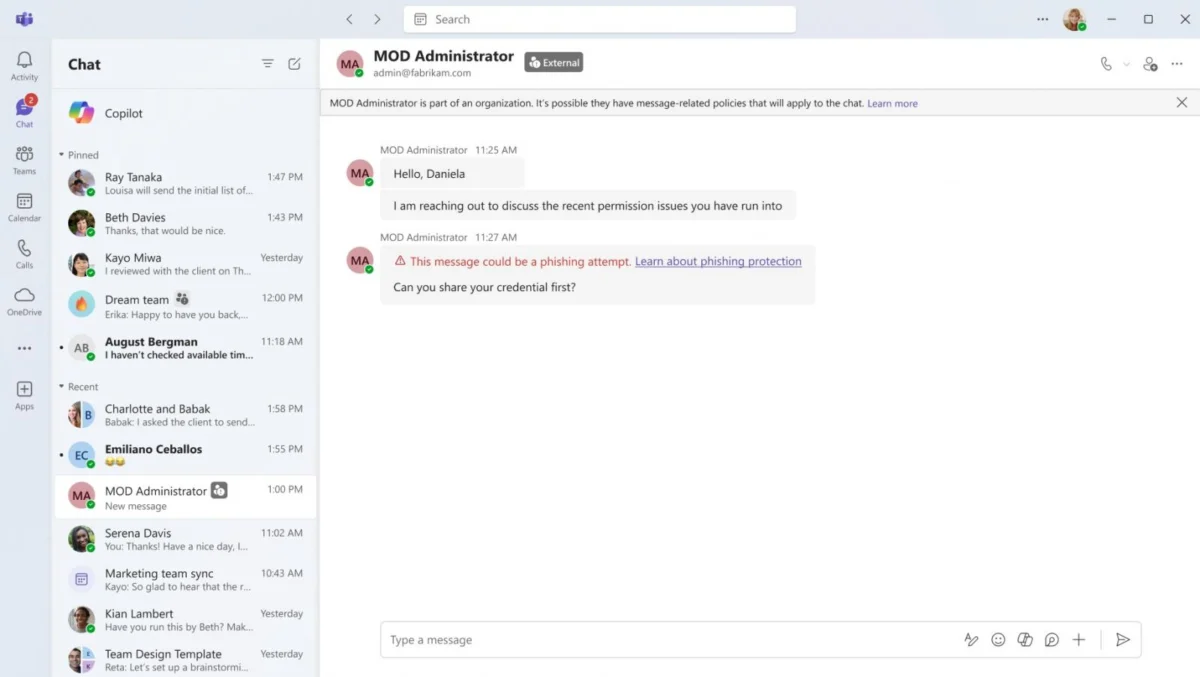
Microsoft is poised to introduce a groundbreaking enhancement to its Teams communication platform, deploying advanced artificial intelligence capabilities designed to identify and neutralize sophisticated phishing attempts by analyzing conversational context rather than relying solely on traditional indicators. This strategic move signifies a critical evolution in safeguarding digital workspaces against increasingly deceptive cyber threats, offering a proactive defense mechanism against social engineering tactics, impersonation attempts, and other forms of malicious intent that often bypass conventional security filters.
The phased rollout of this innovative security feature is scheduled to commence in early November 2026, targeting an initial release group before expanding its reach. This carefully managed deployment strategy is anticipated to conclude its targeted release by mid-November, paving the way for a global general availability rollout expected between early and mid-December. This structured approach ensures thorough testing and optimization, minimizing potential disruptions while maximizing the effectiveness of the new defense system across diverse enterprise environments. The rapid deployment timeline underscores the urgency Microsoft places on addressing evolving cyber threats within its collaborative ecosystems.
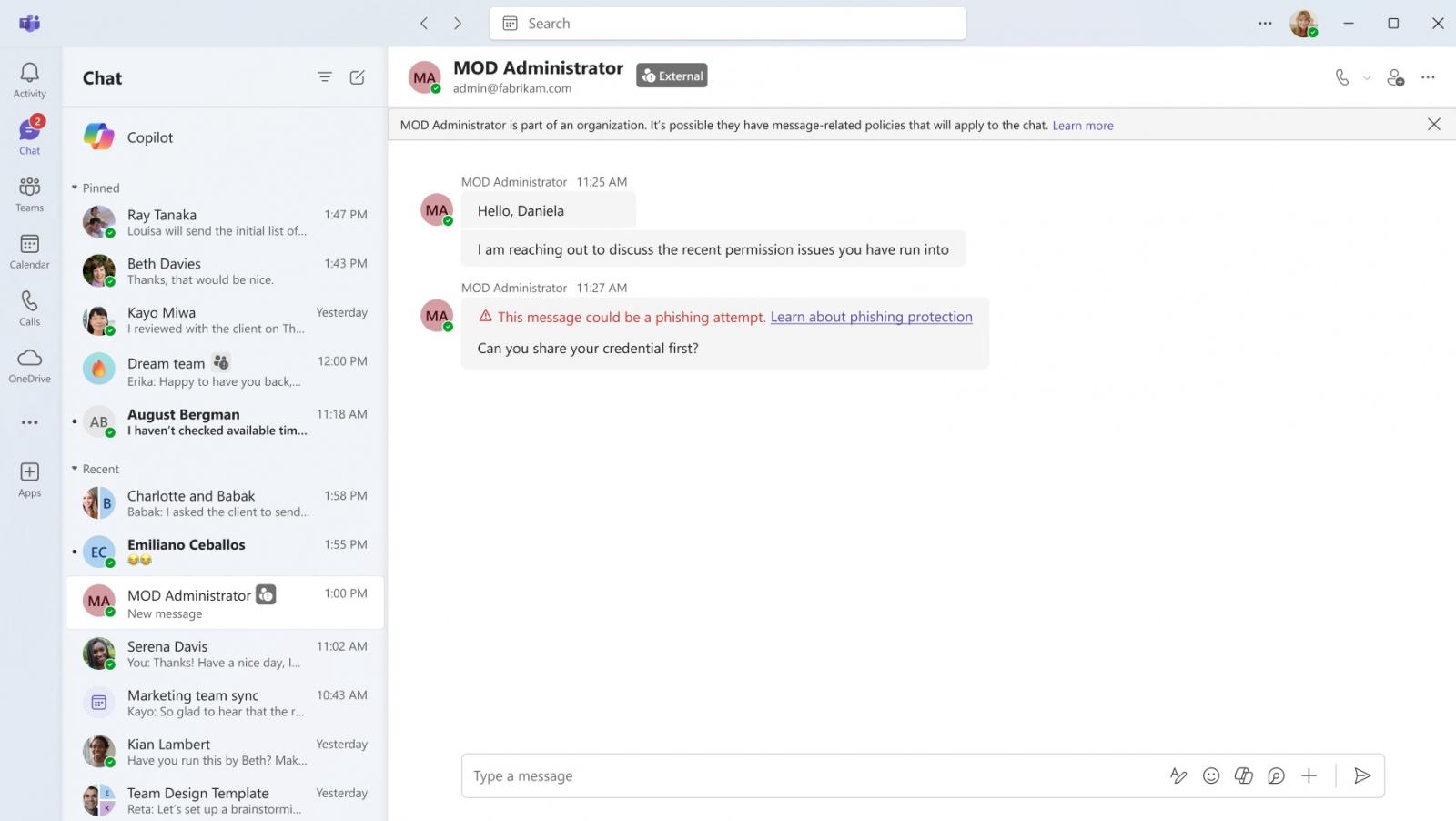
At the core of this new capability lies a sophisticated AI engine engineered to analyze the nuances of conversation context. Unlike traditional phishing detection mechanisms that primarily scan for known malicious links, suspicious attachments, or keyword patterns, this advanced system delves deeper into the interaction dynamics. It is specifically designed to identify anomalous behavior in higher-risk scenarios, such as initial chat contacts from external parties. This focus is particularly pertinent given the prevalent use of external communications by threat actors to initiate social engineering campaigns. By assessing the broader context of an exchange, the AI can discern deceptive intent even when explicit malicious payloads are absent, marking a significant leap in defensive intelligence.

Microsoft has emphasized that this AI-powered detection will scrutinize conversation context without retaining the actual message content for any purpose beyond immediate security analysis. This commitment to data privacy is a crucial distinction, ensuring that customer communication remains confidential while still benefiting from robust security protections. The company explicitly states that the capability is exclusively for security protection and will not be leveraged for productivity enhancements, content summarization, advertising, user monitoring, or any other non-security-related functions. This assurance is vital for enterprise adoption, addressing potential concerns regarding data governance and privacy within a highly regulated corporate landscape.
The implementation of this feature requires no proactive intervention from IT administrators, reflecting Microsoft’s commitment to seamless integration and ease of management. The system is designed to operate autonomously, providing immediate, enhanced protection without necessitating complex configurations or ongoing maintenance. This zero-touch deployment model is particularly beneficial for large organizations with extensive Teams deployments, allowing security teams to focus on higher-level strategic initiatives rather than granular system tuning. The primary focus on external first-contact chats for most users is a strategic decision, acknowledging that these interactions represent a common entry point for targeted attacks.
The underlying mechanism of this context-aware AI likely involves advanced machine learning models trained on vast datasets of both legitimate and malicious communication patterns. These models could be analyzing various signals, including but not limited to: the sender’s reputation and history, the novelty of the contact, the language used (e.g., unusual urgency, unsolicited requests, grammatical anomalies that might indicate non-native speakers), the timing of the message, and the overall flow of the conversation. For instance, an external user initiating a chat with an unusual request for sensitive information, especially without prior context or introduction, could be flagged as suspicious even if no links or files are exchanged. This behavioral analysis moves beyond signature-based detection, offering a more resilient defense against novel attack vectors.
This enhancement is not an isolated initiative but forms part of a broader, concerted effort by Microsoft to fortify the security posture of its Teams platform. The company has been incrementally rolling out a suite of robust security features aimed at countering the sophisticated tactics employed by cybercrime syndicates and ransomware groups that increasingly exploit collaborative platforms for initial access and social engineering. In December, Microsoft announced capabilities allowing administrators to restrict external users via the Defender portal, empowering organizations to better control inbound communications and mitigate risks associated with untrusted external entities. This administrative control helps prevent threat actors from impersonating legitimate contacts or exploiting open communication channels.
Further bolstering its defenses, Microsoft introduced a new Teams meeting protection policy in August, enabling administrators to automatically block all identified external bots from joining meetings. This measure directly addresses the proliferation of automated threats and nuisance activities that can disrupt communications and serve as precursors to more serious attacks. By pre-emptively excluding unauthorized bots, organizations can maintain the integrity and security of their virtual meeting spaces.
More recently, in the preceding month, Microsoft unveiled plans to implement a feature that blurs QR codes sent by external senders within Teams. This seemingly minor adjustment is a critical defense against QR code-based phishing (qishing) attempts, which have seen a surge in popularity as attackers leverage these visual cues to direct users to malicious sites without easily detectable links. Concurrently, the company also enhanced user reporting capabilities, allowing individuals to flag suspicious guest invitations directly within Teams. This crowd-sourced intelligence empowers security teams to identify and block phishing attempts and other attacks that abuse guest invitation mechanisms, turning every user into a potential sensor for threat detection.
Looking ahead, in early October, Microsoft announced its intention to integrate support for third-party deepfake detection solutions and provide enhanced impersonation protection within Teams meetings. This forward-looking initiative recognizes the escalating threat posed by generative AI technologies, which can be used to create highly convincing audio and video impersonations. By leveraging specialized deepfake detection, Teams aims to protect against sophisticated social engineering attacks that exploit visual and auditory deception, ensuring the authenticity of participants in critical communications.
The imperative behind these continuous security enhancements is clear: collaborative platforms like Microsoft Teams have become indispensable to modern enterprise operations, but their very nature—facilitating rapid, often informal, communication—also presents an expanded attack surface. Threat actors have adapted quickly, shifting their focus from traditional email-based phishing to exploiting the immediacy and perceived trust inherent in chat applications. The introduction of AI-powered, context-aware phishing detection is a strategic response to this evolving threat landscape, moving beyond reactive detection to a more proactive and intelligent defense. By understanding the behavioral patterns and contextual nuances of communications, Teams aims to identify threats that are designed to evade conventional security filters, thereby significantly reducing the success rate of sophisticated social engineering campaigns. This advancement not only strengthens the platform’s security but also reinforces Microsoft’s overarching commitment to providing a secure and trusted environment for global collaboration.




 Aura Kasih

 Ayu Aulia