Lisa Mariana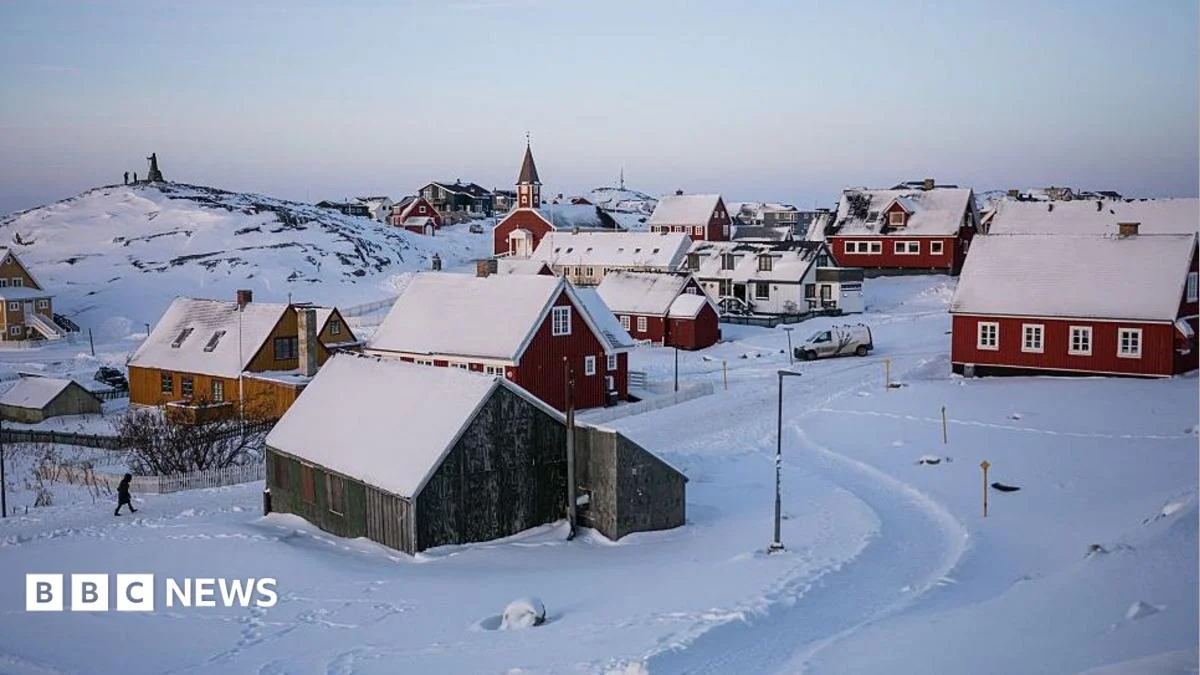
A pivotal defense agreement has been formalized between the United States, Denmark, and Greenland, ushering in a new era of security cooperation in the High North by authorizing Washington to establish two novel military installations within the vast Arctic territory while concurrently reinforcing Copenhagen’s enduring sovereignty. This diplomatic achievement, ratified amidst a backdrop of escalating global interest in the Arctic region, signifies a concerted effort to recalibrate Western strategic capabilities in a rapidly evolving geopolitical landscape. The accord, signed by the leaders of the three entities, seeks to solidify existing defense ties and project a robust, coordinated security posture across critical northern latitudes, effectively resolving a period of heightened diplomatic tension and setting a definitive course for future collaboration.
The Arctic, once considered a remote and largely peripheral theater, has rapidly ascended to the forefront of international strategic calculations. Melting ice caps, driven by climate change, are progressively opening new sea lanes, reducing transit times between continents, and unlocking access to vast, previously inaccessible natural resources, including hydrocarbons, rare earth minerals, and fish stocks. This environmental transformation has catalyzed a competitive scramble among global powers, notably Russia and China, to assert influence and secure strategic advantages in the region. For the United States and its allies, the burgeoning militarization of the Arctic by rival states, coupled with the imperative to safeguard critical infrastructure and shipping routes, necessitates a proactive and robust defense strategy. Greenland, the world’s largest island, assumes an unparalleled strategic significance in this context. Situated geographically between North America and Europe, it effectively acts as a critical choke point, bridging the Atlantic and Arctic oceans. Control or influence over its territory provides unparalleled advantages in maritime surveillance, air defense, and the projection of military power across the North Atlantic and into the heart of the Arctic. Its location directly impacts the integrity of the Greenland-Iceland-United Kingdom (GIUK) Gap, a vital maritime corridor through which naval forces would transit during potential conflicts, making its security indispensable to NATO’s collective defense architecture.
The recent trilateral agreement builds upon and substantively updates the foundational 1951 defense agreement between Denmark and the United States, an accord born out of the Cold War necessity to secure Greenland against Soviet expansionism. That original pact permitted the US to maintain a military presence, notably the Thule Air Base (now Pituffik Space Base), crucial for early warning radar systems and space tracking. However, the contemporary geopolitical environment, characterized by advanced missile technology, cyber warfare, and renewed great power competition, necessitated a more comprehensive and forward-looking framework. The new pact explicitly grants the United States permission to establish additional "Defence Areas" at Narsarsuaq and Mestersvig, located in Greenland’s southern and eastern regions, respectively.
Narsarsuaq, a site with historical significance as a former civilian airport and a critical World War II US airbase, presents substantial strategic advantages. Its existing infrastructure includes a large runway capable of accommodating heavy aircraft, and critically, it boasts deep-water access. This combination positions Narsarsuaq as a potential multi-role logistical hub, capable of supporting air and sea operations, facilitating rapid deployment, and serving as a forward operating location for surveillance and reconnaissance missions. Recent surveys by US military engineers underscore the intent to modernize and expand its capabilities significantly. Mestersvig, by contrast, is a considerably more remote and less developed outpost, currently utilized by a Danish naval dog sled unit. Its strategic value lies in its eastern location, offering a vantage point over the Greenland Sea and potential for specialized Arctic operations, including extreme environment training, scientific research with potential military applications, and as a remote staging area for patrols across vast, challenging terrains. The establishment of these two new sites, alongside the permitted modernization and expansion of the existing Pituffik Space Base in northwestern Greenland, represents a significant enhancement of the US military footprint and capabilities in the Arctic. Pituffik, a cornerstone of NORAD and US Space Force operations, is vital for missile warning, space surveillance, and satellite command and control, making its continued upgrade paramount for continental defense.
Crucially, the agreement meticulously addresses and reaffirms Denmark’s sovereignty and territorial integrity over Greenland, as well as Greenland’s inherent right to self-determination. This explicit recognition serves to assuage the diplomatic fallout from prior rhetoric, particularly remarks from former US President Donald Trump, who had openly expressed interest in "acquiring" the Arctic territory. Such pronouncements had generated significant consternation among Greenlandic and Danish officials, who viewed them as an affront to national sovereignty and a destabilizing factor in transatlantic relations. The current agreement, by contrast, emphasizes mutual respect and collaborative governance. The modalities and technical specifications for the new bases are subject to mutual agreement by all parties, ensuring that US security arrangements are not unfettered and that Denmark and Greenland retain significant oversight and approval authority. This cooperative framework underscores the "win-win-win" sentiment expressed by Greenland’s Prime Minister Jens-Frederik Nielsen, highlighting a shared commitment to security that respects the autonomy and interests of all involved.
A particularly significant clause within the new pact explicitly bars any non-NATO state from establishing "manned or unmanned military installations in Greenland" or maintaining a "persistent presence of military forces" on the island. While it was inherently improbable that non-allied militaries would have been granted such access, this provision formally codifies the Western alliance’s commitment to maintaining strategic control over Greenland and implicitly targets the growing military activities of Russia and China in the broader Arctic. Moscow has been steadily reactivating and modernizing its Cold War-era Arctic bases, deploying advanced air defense systems and naval assets. Beijing, despite its geographical distance, has declared itself a "near-Arctic state" and is actively pursuing economic and research initiatives in the region, raising concerns about dual-use infrastructure and potential strategic encroachment. This clause therefore serves as a clear declarative statement, reinforcing the Western security architecture’s intent to prevent the militarization of Greenland by potential adversaries and solidifying its role as a key component of NATO’s northern flank.
From Washington’s perspective, this agreement represents a strategic triumph, delivering a tangible expansion of its military presence and capabilities in a region of escalating geopolitical importance. It strengthens early warning systems, enhances logistical reach, and provides a forward operating platform to counter emerging threats. For Denmark, the deal revalidates its sovereign authority over Greenland, reinforces its alliance commitments, and secures vital support for the defense of its autonomous territory. It also resolves a period of diplomatic friction, demonstrating the strength of the US-Danish partnership. For Greenland, a territory of approximately 56,000 inhabitants, the agreement brings a degree of stability and potentially significant economic benefits. The development and maintenance of these bases could generate local employment, stimulate infrastructure improvements, and provide a substantial influx of foreign investment. Furthermore, the explicit recognition of its right to self-determination and the commitment to consider Greenlanders’ rights, livelihoods, and national development ensures that the territory’s voice is integral to its security future. The agreement also confirms that, should Greenland eventually achieve full independence from Denmark, it would remain within the NATO framework, thereby integrating its future security firmly within the Western alliance.
The upbeat mood at the signing ceremony, characterized by mutual appreciation and expressions of a "tremendous relationship," sharply contrasted with the earlier tensions. Danish Prime Minister Mette Frederiksen hailed the agreement as a "milestone" and a "deal that can last forever," underscoring its long-term significance and the mutual respect underpinning it. Greenland’s Prime Minister Nielsen emphasized that it was an "agreement with us," highlighting the consultative and inclusive nature of the negotiations. This collaborative spirit is essential for the successful implementation of such a complex and far-reaching defense pact.
Despite the positive reception, the agreement will not be without its challenges. The "modalities and technical details" of the new bases still require mutual consent, necessitating ongoing negotiations and a commitment to address potential environmental impacts, local community concerns, and funding allocations. Integrating new military facilities into Greenland’s delicate Arctic ecosystem and ensuring sustainable development will require careful planning and transparent communication. Furthermore, while the agreement bolsters Western security, it also contributes to the broader trend of increasing militarization in the Arctic, potentially inviting further responses from rival powers and adding to regional tensions. The long-term implications for the Arctic Council, traditionally a forum for peaceful cooperation, will need to be carefully monitored.
The deal also provides clarity regarding the previously discussed "Golden Dome" defense system, an ambitious concept touted by the former US President to protect against missile attacks. While mentioned once in the agreement, it lacks concrete proposals, suggesting that the immediate focus remains on conventional base expansion and modernization rather than a radical, futuristic defense shield. This indicates a more pragmatic and incremental approach to Arctic security enhancements.
Ultimately, the trilateral defense agreement represents a significant strategic recalibration for the United States, Denmark, and Greenland, solidifying their collective security interests in the face of evolving Arctic geopolitics. It reinforces the Western alliance’s commitment to maintaining a robust presence in the High North, countering potential threats, and safeguarding vital strategic assets. While parliamentary approvals in both Denmark and Greenland are still pending, the broad political support indicates a strong likelihood of ratification. This accord is not merely an update to a historical agreement; it is a foundational pillar for future security and cooperation in a region rapidly becoming one of the most strategically vital on the global stage. Its success will hinge on continued collaborative governance, a nuanced understanding of local concerns, and an unwavering commitment to regional stability in an increasingly contested Arctic.



 Aura Kasih
 Safa Marwah
 Ayu Aulia