 Aura Kasih
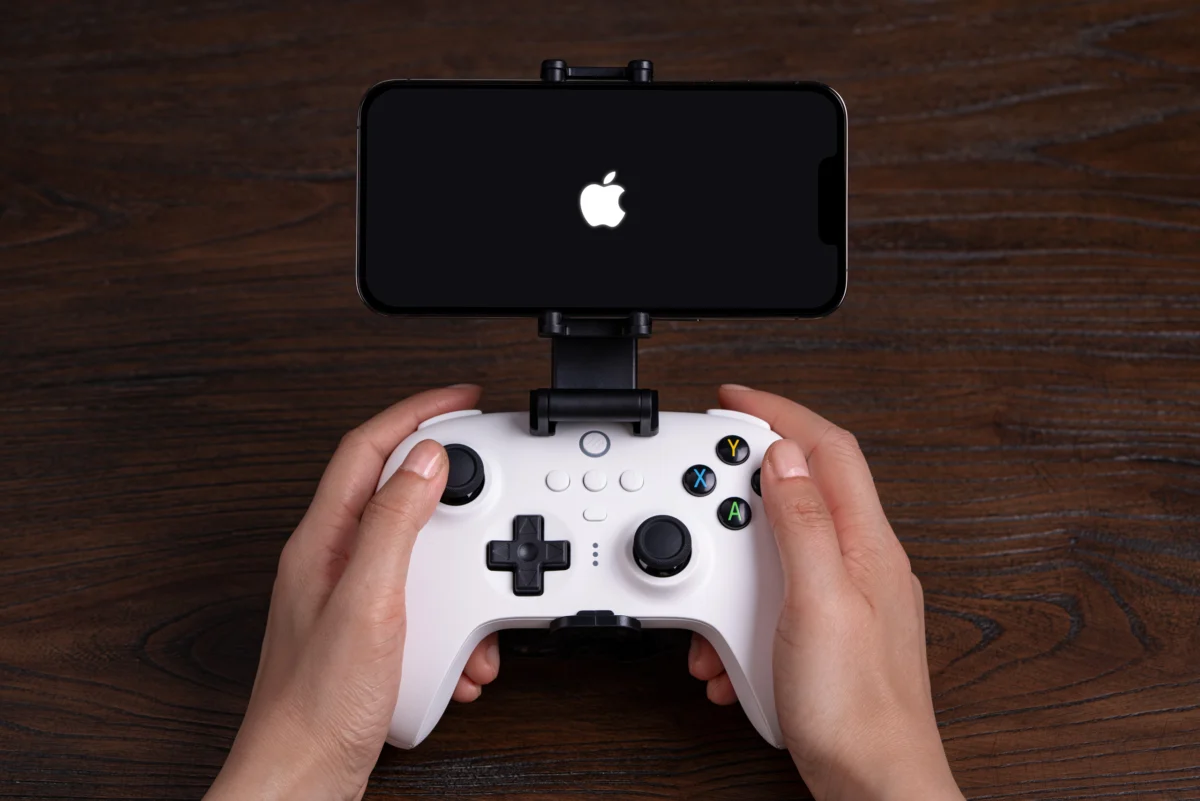
Cupertino, California – Reports indicate that Apple is actively developing proprietary game controllers specifically for its iPhone lineup, with these accessories slated for release under the company’s Beats brand. This strategic move signals a significant expansion of Apple’s hardware ecosystem into the rapidly growing mobile gaming market, aiming to enhance the gaming experience for millions of iPhone users.
The proliferation of sophisticated mobile games, coupled with the increasing processing power of smartphones, has created a fertile ground for dedicated gaming peripherals. While the iPhone has long supported external controllers through its operating system, Apple’s potential entry into this space suggests a desire to offer a more integrated, potentially branded, and optimized hardware solution. The decision to leverage the Beats brand for these controllers is particularly noteworthy. Beats, acquired by Apple in 2014, has historically focused on audio products, but has more recently diversified into accessories like iPhone cases and charging cables. This suggests Apple’s strategy of using Beats as a platform for venturing into new product categories that may not align with the premium aesthetic or pricing of its core Apple-branded offerings. This approach allows for experimentation and broader market reach without diluting the perceived value of the main Apple product lines.
Industry analysts have long speculated about Apple’s potential foray into dedicated gaming hardware. The presence of early indicators within macOS code, referencing "first-party" controllers, has fueled these discussions. While initially discovered in macOS, the development is reportedly being spearheaded by Beats executives, indicating a clear intention for these controllers to interface with iPhones. This focus on the mobile platform underscores Apple’s commitment to its dominant smartphone segment, recognizing the vast potential of its installed user base as a gaming demographic. The move could be seen as a direct response to the growing popularity of cloud gaming services and the increasing sophistication of mobile-native titles that benefit immensely from tactile input.
The rationale behind utilizing the Beats brand for gaming controllers is multifaceted. Firstly, it allows Apple to maintain a degree of separation between its premium technology offerings and accessories that might cater to a more budget-conscious or lifestyle-oriented segment of the market. Beats has already established a reputation for accessibility and a distinct brand identity that resonates with younger demographics and those focused on music and entertainment. By housing gaming controllers under the Beats umbrella, Apple can potentially experiment with different design languages, material choices, and price points that might not fit the typical Apple product philosophy. This could lead to more playful or utilitarian designs, and pricing strategies that make them accessible to a wider range of iPhone users.
Furthermore, the culture and ethos surrounding gaming often align with the lifestyle branding that Beats has cultivated. The association with music, entertainment, and a certain level of cool factor could make Beats-branded controllers a natural fit within the existing brand narrative. This strategic branding also provides an opportunity to integrate the controllers more seamlessly with Apple’s broader ecosystem, potentially offering unique software features or enhanced compatibility with Apple Arcade and other gaming-related services. The success of Apple Arcade, Apple’s subscription service offering curated games, further strengthens the argument for dedicated gaming hardware to enhance the user experience and drive subscription engagement.

The development of these controllers also reflects a broader industry trend. As mobile devices become increasingly powerful and capable of delivering console-quality gaming experiences, the demand for dedicated input devices that go beyond touchscreens is on the rise. Third-party controller manufacturers have already seen success in this space, offering various clip-on and standalone options for smartphones. Apple’s entry would represent a significant endorsement of this market and could set new standards for mobile gaming peripherals. The company’s meticulous attention to detail in hardware design and software integration suggests that its controllers, when launched, will likely offer a refined and optimized gaming experience, potentially featuring low latency, ergonomic designs, and seamless pairing with iPhones.
The implications of Apple’s move extend beyond simply offering new accessories. It could signal a more serious commitment to the gaming industry as a whole. By investing in dedicated hardware, Apple may be looking to attract more game developers to create titles that take full advantage of its controller offerings, further solidifying the iPhone as a robust gaming platform. This could lead to a richer and more diverse gaming library available on iOS, potentially drawing in gamers who previously favored dedicated consoles or PC gaming. The competition in the mobile gaming hardware space is expected to intensify with Apple’s entry, potentially spurring innovation from both existing players and new entrants.
The potential product roadmap for Apple’s gaming accessories remains speculative. However, one can anticipate a range of controller designs catering to different gaming preferences. This might include traditional gamepad layouts with analog sticks, directional pads, and face buttons, as well as potentially more specialized controllers for specific genres like racing or fighting games. The integration with the Apple ecosystem is also a key area of interest. Future iterations could include features like haptic feedback synchronized with in-game events, custom button mapping through iOS settings, and even deeper integration with Apple’s AR capabilities for augmented reality gaming experiences.
Moreover, the strategic timing of this announcement, amidst a period of significant growth in the mobile gaming sector, suggests Apple’s ambition to capture a substantial share of this lucrative market. The company’s ability to influence consumer behavior through its vast retail presence and marketing power cannot be underestimated. When combined with the immense loyalty of its existing customer base, Apple’s entry into the gaming controller market could quickly establish it as a major player. The long-term vision may also involve expanding the Beats brand into other gaming-related accessories or even exploring dedicated gaming devices in the future, although current reports focus solely on iPhone controllers.
The development of these controllers under the Beats brand is a strategic move that leverages existing brand equity while allowing for product differentiation. It acknowledges that the gaming market has its own distinct consumer base with specific expectations regarding performance, design, and price. By not directly associating these controllers with the premium Apple brand, Apple can position them as accessible, performance-oriented accessories that enhance the existing iPhone gaming experience without creating potential brand confusion or diluting the perceived value of its core products. This nuanced approach to brand management is a hallmark of Apple’s product strategy, allowing it to explore diverse market segments effectively.
Ultimately, Apple’s reported foray into iPhone game controllers under the Beats brand represents a significant evolution in its hardware strategy. It underscores the growing importance of mobile gaming and signals Apple’s intent to provide a more comprehensive and engaging experience for its users. As the company continues to innovate, the integration of dedicated gaming peripherals could further cement the iPhone’s position not just as a communication device, but as a powerful and versatile gaming console in the palm of one’s hand. The industry will be closely watching for official announcements and product releases, as this development has the potential to reshape the mobile gaming accessory landscape.




 Safa Marwah

 Lisa Mariana