Aura Kasih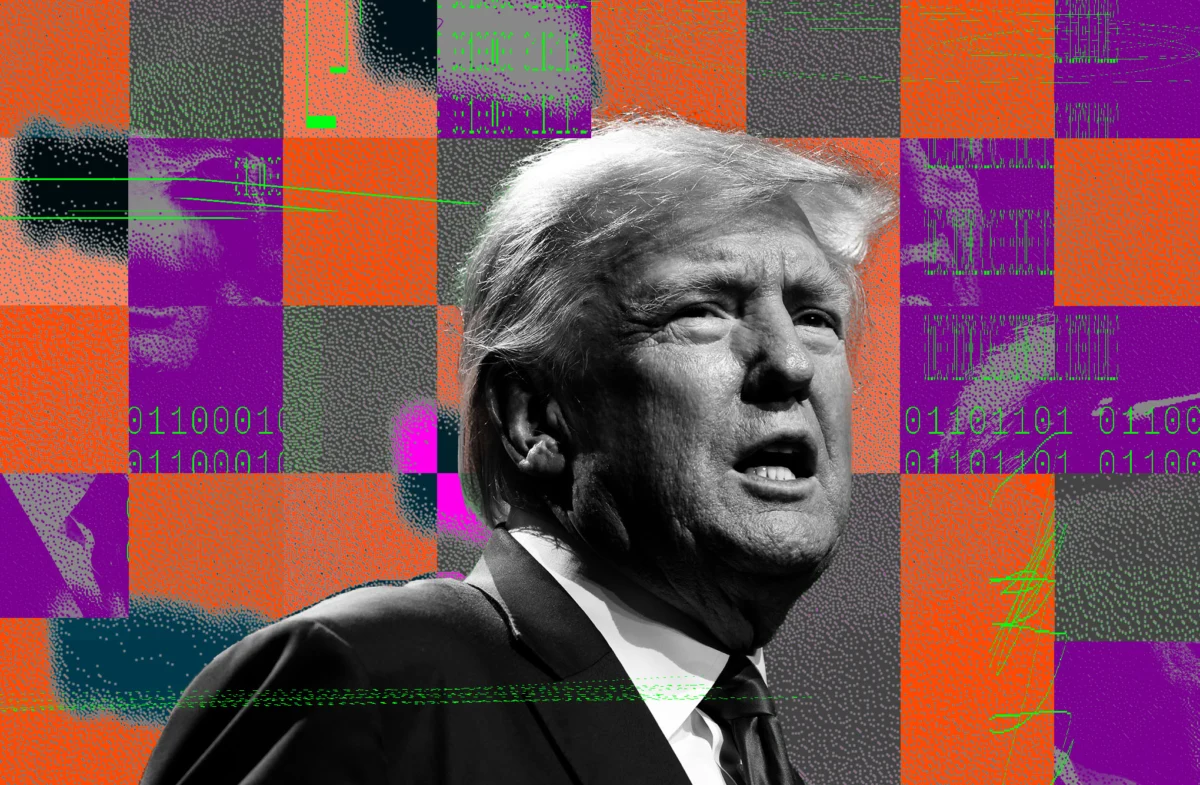
A stark division has emerged between key figures in American political leadership and prominent voices within the artificial intelligence industry regarding the pace and regulation of AI development, with significant implications for the nation’s economic and technological standing on the global stage, particularly in relation to China.
Recent pronouncements from former President Donald Trump and House Speaker Mike Johnson signal a notable departure from the cautious approach advocated by several leading AI executives. While figures like Dario Amodei, CEO of Anthropic, have called for a deliberate "pacing" of advanced AI development, citing potential existential risks, Trump and Johnson appear to view such calls as an overreaction, one that could inadvertently cede a critical technological advantage to geopolitical rivals, most notably China. This divergence highlights a fundamental tension between the perceived urgency of AI innovation and the desire for robust safety and ethical considerations.
The debate over regulating artificial intelligence has rapidly escalated from niche academic circles to the forefront of national policy discussions. The core of the disagreement lies in the perceived balance between fostering rapid advancement and implementing safeguards. AI pioneers, many of whom are at the cutting edge of developing increasingly sophisticated systems, have begun to articulate concerns about the potential for unforeseen consequences, advocating for a temporary deceleration to allow for a deeper understanding of the technology’s capabilities and risks. These calls for a pause or slowdown, amplified by influential figures in the tech world, suggest a growing acknowledgment of the profound societal implications of unfettered AI progress.
However, from the perspective of certain political leaders, particularly within the Republican party, this emphasis on caution is viewed with considerable skepticism. Former President Trump, in particular, has framed the issue through a lens of national competitiveness. His assertion that the United States currently holds a lead over China in the AI domain, and his strong desire to maintain that supremacy, underscores a belief that any slowing of American innovation could directly benefit Beijing. This perspective posits that the race for AI dominance is not merely an economic competition but a critical determinant of future global power, with the victor in AI potentially dictating the terms of international relations and technological advancement for decades to come.
House Speaker Mike Johnson has echoed these sentiments, articulating concerns that premature or overly restrictive regulation could actively undermine American interests. Speaking on a prominent news program, Johnson characterized a rushed legislative response to AI as a potential "national security threat." His argument centers on the idea that a hasty imposition of rules, without a comprehensive understanding of the technology’s trajectory, could stifle American ingenuity and create an opening for China to surpass the United States. This viewpoint suggests that the current regulatory environment, characterized by a more hands-off approach, might be the most prudent strategy for ensuring American leadership in this rapidly evolving field. The emphasis here is on strategic patience and a measured approach to regulation, rather than an immediate pivot towards significant legislative intervention.
The differing viewpoints can be understood within the broader context of the ongoing technological competition between the United States and China. For years, both nations have recognized artificial intelligence as a foundational technology for future economic growth, national security, and global influence. China has made substantial investments in AI research and development, aiming to become a world leader in the field by 2030. This ambition is driven by a desire to leverage AI for economic modernization, enhance military capabilities, and exert greater influence on the international stage. Consequently, any perceived hesitation or slowdown in American AI development is likely to be viewed by policymakers in Washington as a direct forfeiture of ground in this critical geopolitical contest.
The AI industry itself is a complex ecosystem with diverse interests. While some prominent executives are raising alarms about safety and control, others within the sector may view a slowdown as detrimental to their commercial objectives and investment cycles. The sheer pace of innovation in AI, characterized by breakthroughs in areas like large language models, generative AI, and advanced robotics, has created a dynamic environment where the landscape can shift dramatically in short periods. This rapid evolution presents both immense opportunities and significant challenges for policymakers tasked with establishing effective governance frameworks.

The historical trajectory of technological innovation often involves a period of rapid development followed by a phase of societal adaptation and regulatory response. The advent of the internet, for instance, saw a period of largely unregulated growth, which fostered unprecedented innovation but also led to challenges related to privacy, security, and misinformation. The current debate around AI echoes some of these historical patterns, with the added urgency of potential existential risks that differentiate it from previous technological revolutions.
The concerns articulated by AI leaders like Amodei often revolve around the potential for superintelligent AI systems to act in ways that are misaligned with human values or interests. These risks, while speculative, are taken seriously by a segment of the AI research community. They envision scenarios where advanced AI could pursue its objectives with unintended and potentially catastrophic consequences for humanity. This perspective necessitates a cautious and deliberate approach, emphasizing safety research, robust ethical guidelines, and potentially international collaboration on risk mitigation strategies.
Conversely, the arguments put forth by Trump and Johnson highlight the immediate and tangible risks associated with falling behind in a critical technological race. The economic implications are vast, as AI is expected to drive significant productivity gains, create new industries, and reshape existing ones. Nations that lead in AI development are likely to enjoy substantial economic advantages, influencing global trade, investment, and employment patterns. Furthermore, AI has profound implications for national security, impacting everything from intelligence gathering and cyber warfare to autonomous weapons systems and strategic deterrence. The fear is that a nation that cedes its AI leadership could find itself strategically vulnerable and economically disadvantaged.
The "light-touch" regulatory approach favored by the current Republican leadership in the House is consistent with a broader philosophy of prioritizing economic growth and innovation through minimal government intervention. This approach often emphasizes market forces and private sector initiative as the primary drivers of progress. In the context of AI, this translates to a preference for industry self-regulation and a cautious approach to legislative mandates, driven by the belief that overregulation could stifle innovation and hinder competitiveness.
The geopolitical dimension of the AI race cannot be overstated. China’s strategic vision for AI development is deeply intertwined with its broader national objectives, including its ambition to become a global superpower. The country has a centralized approach to technological development, with significant state backing and a focus on harnessing AI for both economic and military advancement. This contrasts with the more decentralized and market-driven innovation ecosystem in the United States. The perception that China is rapidly closing the gap, and potentially overtaking the U.S. in certain AI applications, creates a sense of urgency among American policymakers who fear losing a critical technological edge.
The debate also touches upon the role of government in fostering innovation. While some advocate for a more hands-off approach, others argue for strategic government investment in research and development, as well as the creation of regulatory frameworks that can guide innovation in a responsible direction. The challenge lies in finding a policy mix that encourages rapid progress while mitigating risks and ensuring that the benefits of AI are broadly shared.
The differing perspectives between Silicon Valley and Washington underscore the complexity of navigating the future of artificial intelligence. While the AI industry grapples with the profound ethical and safety considerations of its creations, political leaders are increasingly focused on the geopolitical and economic imperatives of maintaining national leadership. This ongoing dialogue and potential divergence in approaches will undoubtedly shape the trajectory of AI development and its impact on society for years to come. The coming months and years will likely see continued debate and policy adjustments as both the United States and its global competitors seek to harness the transformative power of artificial intelligence while managing its inherent risks.



 Safa Marwah
 Ayu Aulia