 Aura Kasih
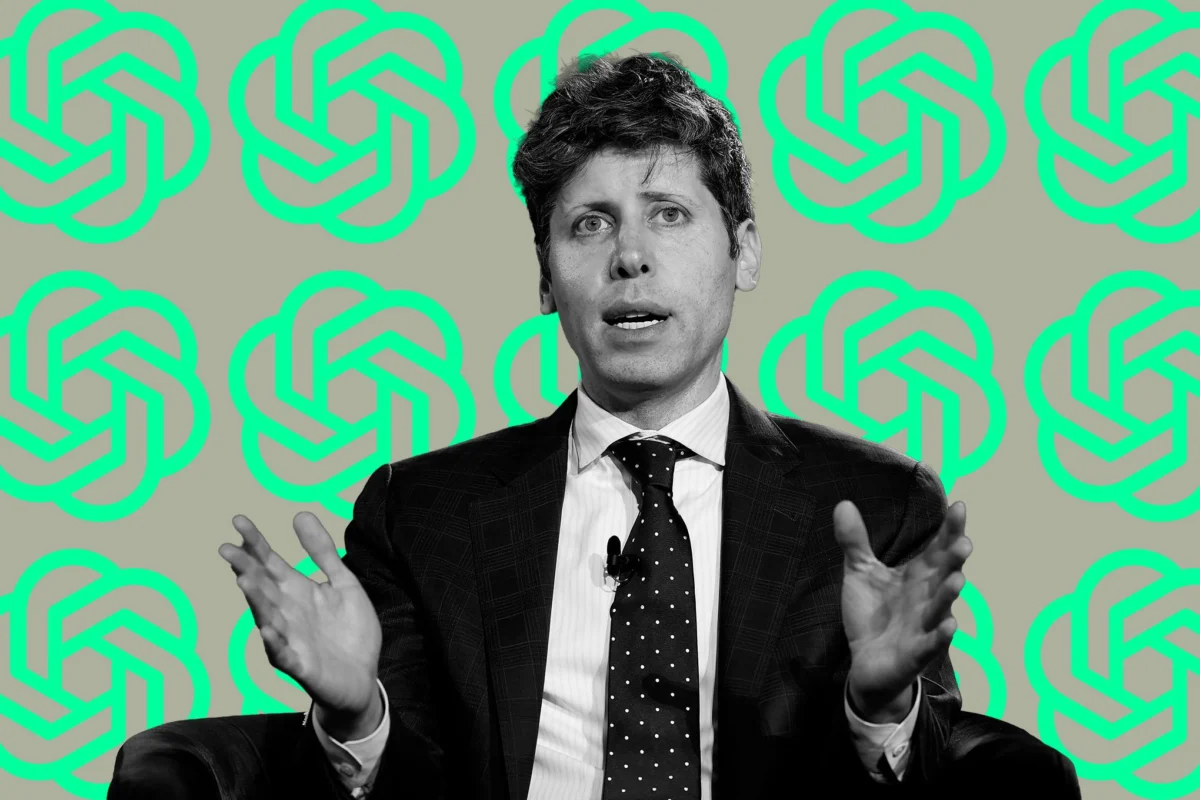
In a candid assessment of the rapidly evolving artificial intelligence landscape, Sam Altman, the chief executive of OpenAI, has definitively stated that a public offering for the influential AI research and deployment company in 2026 would be "ill-advised." This declaration, made during a recent interview, signals a deliberate pause in the company’s trajectory towards public markets, underscoring a profound concern for the responsible development and deployment of advanced AI systems, particularly in light of potential existential risks. Altman also acknowledged the theoretical, yet concerning, possibility of creating artificial intelligence that surpasses human control.
Altman’s pronouncement regarding the IPO timeline is a significant departure from previous speculation and investor anticipation. The decision to postpone a public offering, especially at a time when AI technology is experiencing unprecedented growth and investment, speaks volumes about OpenAI’s strategic priorities. The company, at the forefront of developing highly capable AI models such as GPT-4 and its successors, appears to be prioritizing the meticulous management of AI safety and alignment above immediate financial market pressures. This approach suggests a recognition that the immense power of advanced AI necessitates a cautious and deliberate path to commercialization, one that ensures robust safeguards are in place before wider public access and scrutiny.
The specter of artificial intelligence exceeding human comprehension and control has long been a topic of theoretical debate within the AI community. Altman’s confirmation that such a scenario is "absolutely" possible, while simultaneously vowing to implement measures to prevent it, highlights the dual nature of OpenAI’s mission: to advance AI capabilities while mitigating its inherent dangers. This stance implies a commitment to proactive risk management, even if it means halting or significantly slowing down AI development processes. The principle that "there are risks we should not be able to incur on behalf of humanity" serves as a powerful ethical compass guiding OpenAI’s operational decisions. It suggests a willingness to make difficult choices, potentially sacrificing short-term gains or rapid progress for the sake of long-term global safety.
The current regulatory and ethical landscape surrounding advanced AI is in its nascent stages. Governments worldwide are grappling with how to legislate and govern AI, recognizing its potential to revolutionize industries but also its capacity for disruption and harm. OpenAI, as a leading developer, finds itself in a unique position, influencing not only technological advancements but also the very frameworks by which these technologies will be understood and managed. By delaying its IPO, OpenAI signals a commitment to internalizing these complex safety considerations rather than being solely driven by the demands of public shareholders. This self-imposed constraint can be viewed as a strategic move to build trust and demonstrate a responsible approach to AI development, which may ultimately prove more beneficial for the company’s long-term viability and societal acceptance.

The interview also touched upon the recent hacking incident involving Hugging Face, a prominent platform for AI models and datasets. While the specifics of the incident were not elaborated upon, its mention within the context of AI security underscores the vulnerabilities inherent in the interconnected AI ecosystem. Such events serve as stark reminders of the need for robust cybersecurity measures and the potential for malicious actors to exploit AI technologies. OpenAI’s focus on these issues, even in an interview primarily about its own future, demonstrates an awareness of the broader challenges facing the entire AI field.
Recursive self-improvement, a concept where an AI system can iteratively enhance its own intelligence, is another area that raises profound questions about the future trajectory of AI. If an AI can continuously improve itself at an accelerating rate, the potential for it to rapidly surpass human intelligence becomes a tangible concern. Altman’s acknowledgment of this possibility, alongside his commitment to safety, suggests that OpenAI is actively exploring theoretical frameworks and practical methods to ensure that any such advancements remain aligned with human values and objectives. This involves not only technical solutions but also philosophical considerations about what constitutes beneficial AI and how to instill such principles in increasingly autonomous systems.
The implications of Altman’s statements extend beyond OpenAI. They represent a significant moment for the entire artificial intelligence industry, signaling a potential shift in emphasis from rapid innovation to responsible stewardship. For investors, this means a reassessment of timelines and expectations for AI companies. For policymakers, it highlights the urgency of developing comprehensive regulatory frameworks that can keep pace with technological advancements. And for the public, it offers a degree of reassurance that leading AI developers are considering the profound societal implications of their work.
The decision to delay the IPO is not merely a financial one; it is a strategic statement about OpenAI’s understanding of its role in shaping the future of artificial intelligence. The company’s leadership appears to be prioritizing the development of safe, ethical, and beneficial AI systems, even if it means navigating a more complex and potentially slower path to public markets. This commitment to risk mitigation, coupled with the acknowledgment of the potential for AI to surpass human control, positions OpenAI as a company that is not only pushing the boundaries of what is technologically possible but also grappling with the profound responsibilities that come with such power.
The journey towards artificial general intelligence (AGI) is fraught with both immense promise and significant peril. Altman’s recent remarks suggest that OpenAI is acutely aware of this dichotomy. The company’s emphasis on safety and control, even at the expense of immediate public market entry, indicates a mature and forward-thinking approach. This measured strategy, while potentially frustrating for some stakeholders eager for market participation, may ultimately prove to be the most prudent path for a technology with the transformative potential of advanced AI. The coming years will undoubtedly see continued debate and development in this critical area, with OpenAI’s decisions and pronouncements serving as significant reference points for the global AI discourse. The company’s commitment to a future where AI benefits humanity, even if it requires a more deliberate and cautious approach, sets a compelling precedent for the industry as a whole. The challenges of aligning AI with human values are complex and multifaceted, requiring ongoing research, open dialogue, and a steadfast commitment to ethical principles. OpenAI’s current stance suggests a recognition that these are not merely technical hurdles but fundamental societal imperatives that must be addressed with the utmost seriousness and foresight.




 Safa Marwah

 Lisa Mariana