
 Lisa Mariana
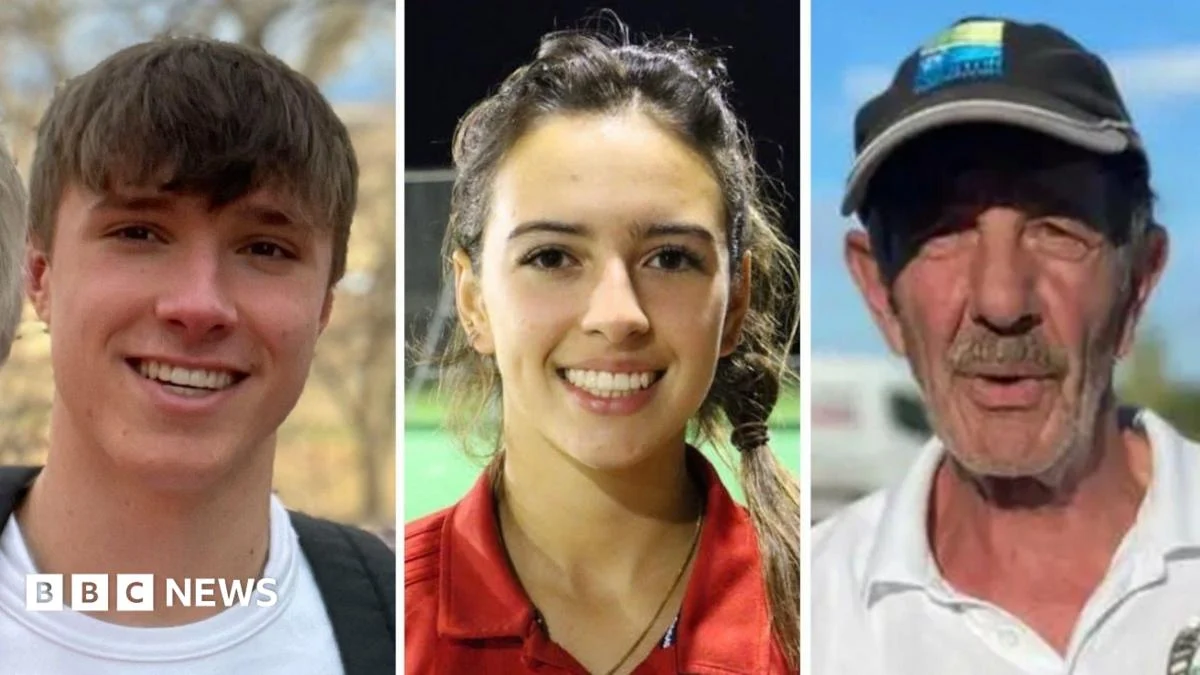
A comprehensive judicial inquiry into the devastating June 2023 Nottingham attacks has revealed profound systemic failures across public services, including a critical finding that the death of one of the victims, Barnaby Webber, was potentially avoidable had specific emergency medical interventions been executed more swiftly. This pivotal revelation underscores a broader narrative of missed opportunities and institutional shortcomings that preceded the tragic events, which also claimed the lives of Grace O’Malley-Kumar and Ian Coates, and left three others severely injured. The ongoing proceedings have brought to light a series of critical lapses in the management of the perpetrator, Valdo Calocane, a diagnosed paranoid schizophrenic, raising serious questions about inter-agency communication, mental health protocols, and police response mechanisms.
The heart-wrenching testimony heard during the inquiry’s latest session focused on the medical response to the horrific attacks. A panel of esteemed medical professionals, tasked with assessing the "survivability" of the victims, presented their findings, indicating that a more rapid administration of critical blood products could have significantly enhanced Barnaby Webber’s chances of reaching a hospital with sufficient vital signs to undergo life-saving surgery. While acknowledging the immense efforts of emergency responders under extraordinarily challenging circumstances, the panel concluded that Barnaby’s injuries, though severe, carried a less than 50% chance of survival but were nonetheless "potentially preventable." This stands in stark contrast to the findings for Grace O’Malley-Kumar and Ian Coates, whose deaths were deemed "not preventable," suggesting the immediate and overwhelming nature of their injuries. The emotional impact of these assessments was palpable in the hearing room, with family members visibly distressed, and Grace’s father, Dr. Sanjoy Kumar, compelled to leave the proceedings.
The complexities of emergency trauma care in dynamic, high-stress situations like a terror attack are profound. The finding regarding Barnaby Webber highlights a specific window of opportunity where advanced medical interventions, particularly the timely provision of blood products, can make a difference. In severe haemorrhagic shock, every minute is critical. The "golden hour" concept in trauma medicine emphasizes the importance of rapid transport and definitive care, but pre-hospital interventions, such as the early administration of blood or blood products, are increasingly recognized as pivotal in improving outcomes for patients with massive bleeding. The logistical challenges of deploying such advanced capabilities in the immediate aftermath of an unpredictable, multi-site attack are immense, yet the inquiry’s focus on this aspect underscores the continuous drive to refine and improve emergency medical protocols, even in the most extreme scenarios. The "multiple other rapid and particular steps" mentioned by the panel suggest a confluence of ideal conditions would have been necessary for survival, illustrating the razor-thin margins in critical trauma cases.
The Nottingham Inquiry, which commenced in February, has been a painstaking and emotionally arduous process, involving over 100 witnesses across a three-month period. Its mandate extends beyond merely recounting the events of that dreadful day; it seeks to uncover the systemic flaws that may have contributed to the tragedy. Police personnel, mental healthcare practitioners, Calocane’s former flatmates, family members, the bereaved families themselves, and survivors have all provided testimony. This comprehensive approach is designed to paint a holistic picture of the circumstances surrounding Calocane’s actions, from his mental health trajectory to his interactions with various public services. Early evidence sessions revealed numerous errors in Calocane’s care, significant shortcomings in previous police interactions, and critical failings both during and in the aftermath of the attacks, setting a troubling precedent for public accountability.
Valdo Calocane, who admitted to three counts of manslaughter on the grounds of diminished responsibility and three counts of attempted murder, is currently detained indefinitely in a high-security psychiatric facility. His diagnosis of paranoid schizophrenia in 2020 forms a crucial backdrop to the inquiry’s investigations into the effectiveness of mental health support systems and the mechanisms for managing individuals posing a potential risk to public safety. The inquiry’s ongoing work is particularly focused on understanding whether his mental health condition was adequately managed and whether the risk he posed was properly assessed and mitigated by the various agencies that had contact with him.
A deeply concerning aspect of the inquiry has been the revelation of significant delays and omissions in the disclosure of crucial evidence. The chair, retired senior judge Deborah Taylor KC, expressed her "disappointment" that vital information only emerged after the conclusion of oral evidence sessions, highlighting potential systemic issues within information management and disclosure protocols. Among the belatedly disclosed items was a holdall bag discovered at Calocane’s former Nottingham address on Burford Road. This bag, found after his eviction on June 11, 2023, two days before the attacks, was not prioritized for detailed examination at the time, as law enforcement efforts were concentrated on locating a different bag Calocane had with him on the night of the killings.
Even more disturbing were the contents of notebooks found within the holdall, which were not disclosed to the inquiry until June of the current year – an oversight attributed directly to Nottinghamshire Police. These notebooks contained chilling writings from Calocane, including delusional statements asserting he had died, that he was God, and references to police possessing "mind-reading software." Tim Moloney KC, representing the bereaved families, emphasized in his closing statement that these notebooks provided "relevant information including what we say was a deep-seated misogyny," offering critical insight into Calocane’s distorted worldview and potential motivations. Further documents at the Burford Road address ominously listed explosives and referenced several public venues, suggesting a broader, more premeditated dangerous intent than previously understood.
The pattern of delayed disclosure extended to critical information regarding Calocane’s history of violence. The inquiry was informed, belatedly, of previous violent assaults perpetrated by Calocane on colleagues at warehouses in Nottinghamshire. These included an incident in Eastwood in 2021 and another "sustained attack with punches thrown" in Normanton in February 2023, footage of which was shown during the inquiry’s Tuesday session. These previously undisclosed events are profoundly significant. Had these incidents been properly reported, investigated, and linked to Calocane’s known mental health issues, they could have substantially altered risk assessments by both police and mental health professionals, potentially triggering interventions that might have prevented the subsequent tragedy.
Tim Moloney KC, in his powerful closing statement, articulated the bereaved families’ profound conviction that the tragedy was avoidable. He meticulously outlined a "litany of unnoticed red flags, missed opportunities and individual and systemic failures" in the timeline of Calocane’s contact with public services between May 24, 2020, and June 13, 2023. Moloney asserted that "if opportunities had been taken to effectively deal with the behaviour of VC, if there had not been so many failures by so many people in institutions… then their loved ones would still be here today." This belief, he argued, is rooted in Calocane’s documented history, which consistently revealed a growing risk that was inadequately addressed.
Moloney pointed to consistent failures by authorities to adhere to established policies and procedures, along with an insufficient consideration of potential harm in "every incident" involving Calocane between 2022 and 2023. He criticized police for being "too quick to let things go in the teeth of really quite serious incidents," and clinicians for adopting a "least restrictive practice" that, in his view, disregarded the rights and safety of both victims and the wider public. These combined practices, Moloney contended, diverted Calocane away from the criminal justice system or forensic psychiatry pathways where he rightfully belonged, ultimately failing both Calocane himself and the innocent individuals whose lives he irrevocably altered.
The unwavering advocacy of the bereaved families has been a driving force behind the inquiry, a fact acknowledged by Rachel Langdale KC, counsel to the inquiry. She echoed the sentiments of former parliamentary ombudsman Sir Rob Behrens, who noted that such cases often depend on families campaigning during their most vulnerable period, performing an "outstanding public service." Langdale underscored that "without their efforts there would not have been a public inquiry at all," emphasizing that the extensive evidence uncovered, revealing "one failure after another," is a direct result of their relentless pursuit of truth and accountability.
As the inquiry moves towards its final stages, with core participants directed to submit any corrections or omissions by December 31, the focus shifts to synthesizing the vast amount of evidence. The upcoming closing statements, delivered to Judge Taylor KC, will represent the final oral submissions, setting the stage for the inquiry’s eventual report and recommendations. The profound hope is that the lessons learned from this exhaustive examination of systemic failings, tragic missed opportunities, and the immense human cost will lead to concrete, actionable changes in mental health provision, policing protocols, and inter-agency collaboration. The ultimate goal remains to prevent such a devastating confluence of events from ever occurring again, ensuring that future individuals suffering from severe mental illness receive appropriate care, and that the public is adequately protected. As Langdale starkly reminded the hearing, "Barney, Grace and Ian should be alive. And the survivors – uninjured," a poignant testament to the inquiry’s crucial mission.


 Aura Kasih
 Safa Marwah

 Ayu Aulia