
 Lisa Mariana
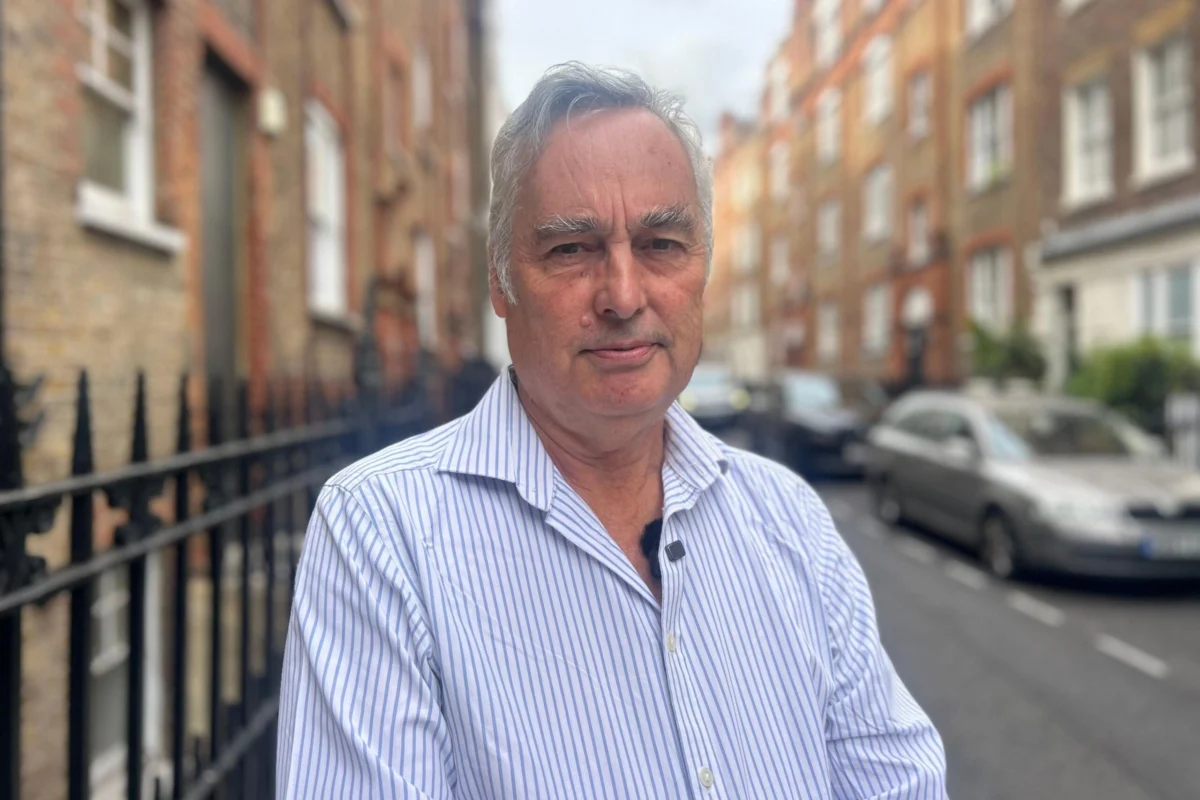
Residents of a modern apartment complex in Croydon, South London, have endured months without fundamental utilities, including heating and hot water, a predicament particularly distressing for vulnerable occupants such as a pregnant woman and families with young children. This protracted crisis, stemming from critical gas supply issues and compounded by intricate ownership structures and developer insolvency, casts a stark light on the deep-seated complexities and consumer protection gaps within the nation’s leasehold property framework. The ongoing ordeal at Admiral Court, where 65 flats have been without a gas supply since early March, highlights the often-dire consequences when foundational infrastructure fails in multi-tenure residential developments.
At the heart of the crisis is Samantha Banner, a leaseholder at Admiral Court, who has navigated the majority of her pregnancy under challenging conditions, devoid of a consistent supply of hot water or central heating. Her daily routine, like that of many neighbours, has been dramatically altered, necessitating reliance on rudimentary methods such as heating water in kettles for washing or resorting to temporary camping shower setups. The profound personal impact extends beyond mere inconvenience, touching upon basic dignity and well-being, especially for someone in such a sensitive life stage. This situation has not only created immediate discomfort but has also cast a long shadow over her future, as plans to transition to a larger family home were abruptly halted when a prospective buyer withdrew due to the building’s escalating service charges and unresolved utility issues. The property, once a stepping stone, has become an anchor, trapping residents in a state of indefinite uncertainty.

The genesis of this severe disruption traces back to March 4th, when the gas supply to the entire development was disconnected following the identification of "potentially dangerous leaks." A subsequent expert assessment, commissioned in August by the freeholder, Groundinvest 101 (Limited), and the managing agent, Warwick Estates, confirmed that the installed gas pipework failed to comply with the stringent standards set by the Institution of Gas Engineers and Managers (Igem). This finding points to fundamental deficiencies in the original construction, raising serious questions about building oversight and quality control during the development phase.
However, resolving these critical structural defects has been mired in a labyrinthine administrative and financial dispute. The original developer, UK Land Assets, which completed the building in 2019, has since entered liquidation. This insolvency has created a significant void in accountability, with the freeholder, managing agent, and various housing associations involved in the mixed-tenure development locked in a protracted argument over who bears financial responsibility for the extensive remedial works. This multi-layered bureaucracy has left leaseholders, who are effectively homeowners for their internal space but tenants of the land and communal infrastructure, in an unenviable position, facing the daunting prospect that the substantial cost of replacing the entire pipework system could ultimately fall upon them.
The personal narratives of other residents underscore the widespread distress. Zainab Ottun, a shared owner and one of the initial occupants of the building, purchased her 25% share of the £310,000 property with the expectation of it serving as an initial step on the property ladder. Instead, she finds her investment effectively "unsellable." Her experience is compounded by a history of intermittent gas supply issues since 2019, with the system repeatedly failing and being reinstated as "weaknesses in the infrastructure were detected." The current outage occurred while she was recovering from Achilles surgery, forcing her to manage post-operative hygiene without hot water. Her sentiment, "You don’t buy a new build expecting it to crumble right before your eyes as you’re living in it," resonates deeply with the disillusionment felt by many residents.

Akira Pascall, a paediatric nurse and fellow shared ownership leaseholder, shares a flat with her partner and three-year-old son. The family initially relied on boiling kettles for washing and cleaning but has since invested in a camping shower to cope. The added burden on a professional already working long, demanding shifts is considerable. "Work is stressful enough and you want to come home to a safe haven," she notes, highlighting the psychological toll of a home that fails to provide basic comfort and security. The inability to host guests or even perform simple tasks like bathing a child without significant logistical effort further degrades their quality of life. Pascall’s frustration peaks at the suggestion that residents might be expected to fund the repairs: "This is meant to be affordable housing. If we had that much money to re-pipe a building we would build our own block of flats," she asserts, revealing the stark mismatch between the promise of affordable homeownership and the reality of unexpected, catastrophic costs.
The complex web of responsibilities is a defining feature of the leasehold system. Warwick Estates, the managing agent, asserts that neither it nor the freeholder was involved in the development at the time of the original "substandard construction work." They argue that, under the terms of the lease, the gas pipes are the "direct responsibility of the individual leaseholders." However, they also acknowledge the impracticality of expecting each leaseholder to individually address a systemic building-wide failure. The core issue of liability remains disputed, with the freeholder actively seeking to recover costs from entities "associated" with the now-liquidated developer. This legal and financial maneuvering, while understandable from a corporate perspective, leaves the actual residents in a precarious limbo, bearing the immediate brunt of the failure without clear recourse. The grim reality that the defects are not covered by the building’s warranty further complicates their path to resolution, eliminating a crucial safety net typically expected for new builds. As a potential interim solution, Warwick Estates is exploring the feasibility and cost of installing individual electric heating and hot water systems in each flat, with findings expected in the coming weeks.
This incident at Admiral Court serves as a potent illustration of the broader systemic vulnerabilities within the UK’s leasehold property market. Martin Boyd, representing the Leasehold Knowledge Partnership, a charity dedicated to advocating for leaseholders, contends that such cases are "too many" and highlight how "the law is still stacked against the leaseholders who have a limited means of redress for building defects." He points out that leaseholders often lack the "legal right to survey the building when they buy," denying them the opportunity to identify potential issues before commitment. The charity advocates for a fundamental strengthening of warranty schemes for new developments, arguing that current provisions are insufficient to protect consumers from significant structural failures.

The government, through the Ministry of Housing, Communities and Local Government, has acknowledged the "completely unacceptable" situation at Admiral Court, urging those responsible to undertake "vital building works urgently." Furthermore, they reference the ongoing Commonhold and Leasehold Reform Bill as a mechanism to bolster leaseholder protections, particularly through making commonhold the default tenure for new flats. This reform aims to grant residents full ownership and control over their buildings, theoretically preventing scenarios like the one in Croydon where complex ownership structures obscure accountability. However, the efficacy of such future legislation for existing developments like Admiral Court remains a critical concern.
In contrast to the leaseholders’ predicament, Croydon Churches Housing Association (CCHA), which holds the lease for 22 apartments within Admiral Court, has taken more direct action for its tenants. CCHA maintains that the freeholder is "responsible for identifying and implementing an effective long-term solution" and has actively pressed for urgent resolution. Crucially, CCHA has provided tangible support to its tenants, including relocating some to alternative accommodation, distributing electric heaters, offering temporary electric showers, and providing vouchers for essential items. They have also committed to covering additional electricity costs incurred by their tenants due to the lack of gas. This disparity in immediate support between CCHA tenants and shared ownership leaseholders within the same building further accentuates the inequities inherent in the mixed-tenure model and the varying degrees of protection afforded to different categories of residents.
As the dispute over financial responsibility and repair implementation continues, residents of Admiral Court remain in an untenable position, their lives profoundly impacted by a crisis not of their making. The absence of a clear timetable for the restoration of essential services exacerbates their stress and financial precarity. This case underscores the urgent need for comprehensive reform in the property development and management sectors, demanding greater transparency, robust consumer protections, and clearer lines of accountability to prevent future homeowners from being trapped in similar circumstances. The ongoing struggle in Croydon serves as a powerful reminder of the human cost when systemic flaws in housing policy and construction standards converge.




 Aura Kasih
 Safa Marwah

 Ayu Aulia