Lisa Mariana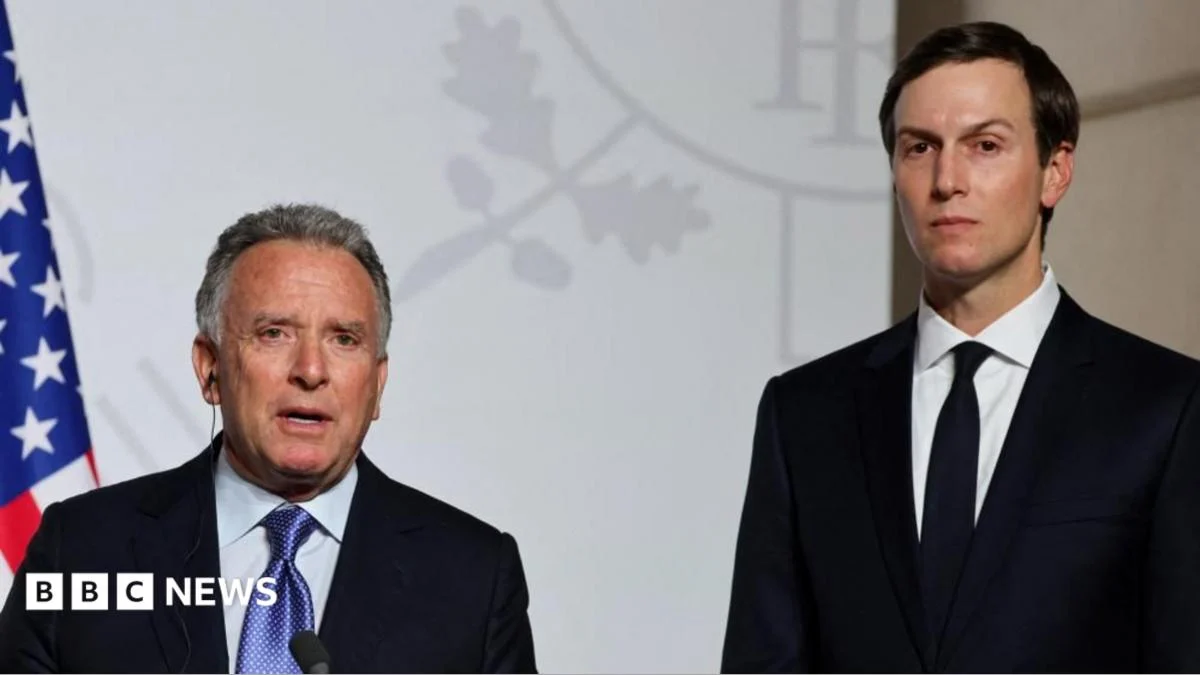
A high-level delegation from the United States has commenced a critical diplomatic mission in Moscow, marking a significant escalation in efforts to de-escalate the protracted conflict in Ukraine, with their itinerary notably including a subsequent inaugural visit to Kyiv. The presence of these presidential emissaries in the Russian capital precedes crucial discussions aimed at forging a path towards resolution in a conflict that has profoundly reshaped the geopolitical landscape and inflicted immense human suffering.
These particular presidential representatives have previously undertaken multiple diplomatic missions to the Russian capital since the current US administration took office. However, the impending journey to Kyiv represents a notable shift in their engagement strategy, signaling a more direct interaction with the Ukrainian leadership on their home soil. This engagement follows a series of interactions where Ukrainian delegations have traveled to the United States for bilateral talks over the past eighteen months, underscoring the consistent, albeit complex, diplomatic channels maintained between Washington and Kyiv.
In a development that underscored the delicate nature of the ongoing diplomatic maneuvers, Russian state media, citing official Kremlin sources, reported that President Vladimir Putin had issued an order for a three-day cessation of all military strikes on the Ukrainian capital, Kyiv. This directive, reportedly effective from midnight on the day of the US delegation’s arrival, was explicitly linked to the American visit. Such a move, while seemingly a gesture of de-escalation, is often interpreted by analysts as a calculated display of control and a strategic attempt to shape the narrative surrounding the talks, potentially signaling Moscow’s willingness to engage in dialogue under specific conditions.
The context of this diplomatic overture was further complicated by events preceding the envoys’ arrival. Earlier, Ukraine’s President Volodymyr Zelensky had publicly stated that Russia had launched what he termed "demonstrative" aerial attacks on major airports in Kyiv and Boryspil during the preceding night. These strikes, according to President Zelensky, occurred directly ahead of his anticipated meeting with the US delegation. He posited that these assaults were a direct reaction to the ongoing discussions and preparations regarding the potential use of Ukrainian airspace by the American side for their travel, specifically for their aircraft to land at either Kyiv or Boryspil airports. This assertion highlights the deep-seated mistrust and the persistent, often kinetic, signaling that accompanies high-stakes diplomacy in the region.
The assertion by President Zelensky regarding the airport strikes also brings into sharp focus the precarious security situation in Ukraine’s airspace. Since Russia initiated its full-scale invasion in February 2022, Ukrainian airspace has remained officially closed to civilian and most military air traffic, a measure indicative of the pervasive threat of aerial assault. The prospect of American diplomatic aircraft utilizing this contested airspace therefore necessitates robust security guarantees, a point emphasized by President Zelensky himself.
Just a day prior to the envoys’ arrival, President Zelensky had made a public commitment to guarantee the safety of Russian airspace for any transit related to the American delegation’s visit, simultaneously appealing to Moscow to reciprocate by ensuring the security of Ukrainian airspace for the same purpose. This exchange of proposed guarantees underscores the logistical and security challenges inherent in conducting high-level diplomatic visits within an active war zone. The implicit requirement for mutual de-escalation in specific operational domains, even if temporary, reveals the intricate dance between military action and diplomatic engagement.
Further illustrating the grim reality of the conflict, President Zelensky also reported a devastating overnight Russian strike on a civilian infrastructure target in the Dnipro region, which resulted in the fatalities of four individuals and injuries to five others. Such incidents, occurring concurrently with diplomatic preparations, serve as a stark reminder of the humanitarian toll of the conflict and the urgent need for a durable peace, even as they complicate the atmosphere for productive negotiations.
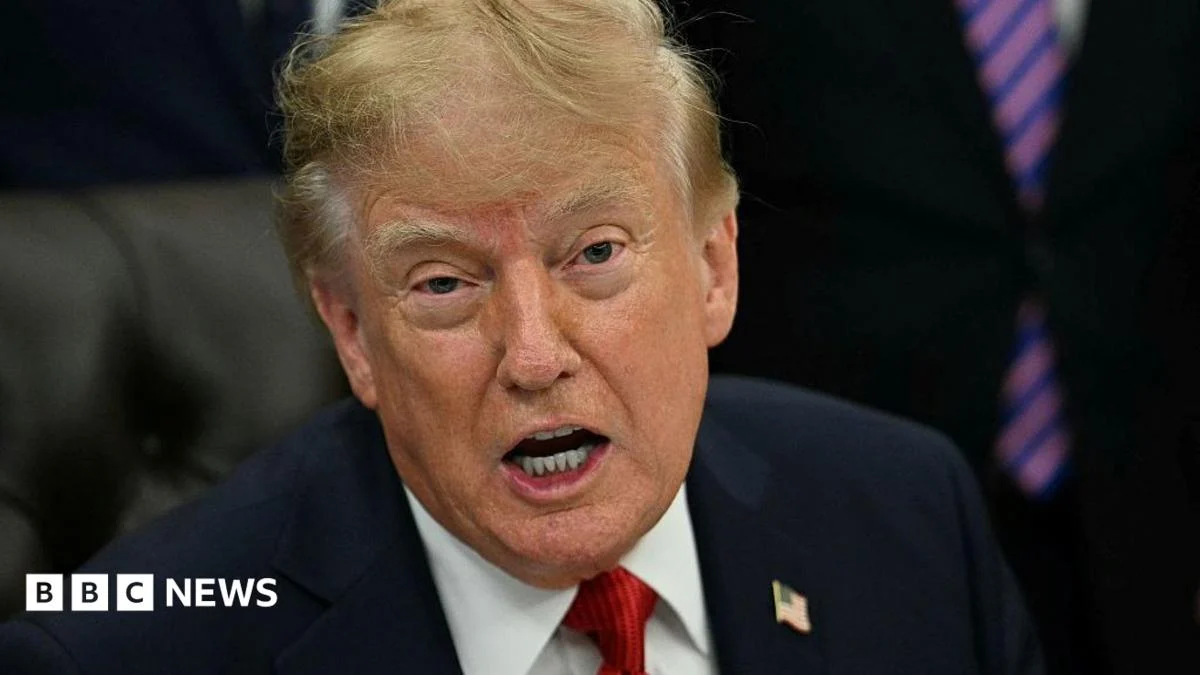
The current visit by the US envoys to Moscow follows closely on the heels of another significant, albeit less publicized, high-level engagement: a rare trip to the Russian capital by John Ratcliffe, who serves as the head of the Central Intelligence Agency. This preceding visit, which took place just over a week prior, lacked official comment from either Washington or the Kremlin regarding its agenda or outcomes. When queried last week, President Trump characterized the meeting as "semi-routine," a description that offered little insight into its specific objectives or the nature of the discussions held behind closed doors. The sequence of these high-level visits suggests a concerted, multi-pronged diplomatic effort by the US administration to engage Moscow on various fronts, potentially laying groundwork for broader political negotiations.
The current diplomatic flurry is not an isolated event but rather part of a longer, often frustrating, trajectory of peace initiatives. In the preceding year, both the United States, Ukraine, and Russia had independently suggested that a resolution to the conflict might be nearing, following a concentrated period of talks facilitated by American intermediaries. Simultaneously, European allies had also convened in Paris for their own set of discussions aimed at de-escalation and a political settlement. Despite these intensive efforts across multiple diplomatic channels, those discussions ultimately concluded without achieving a substantive breakthrough.
The persistent failure to secure a peace agreement highlights the deeply entrenched disagreements that continue to plague the warring factions. These key sticking points primarily revolve around fundamental issues such as territorial integrity and sovereignty, specifically the future status of Ukrainian territories currently under Russian occupation, and the provision of robust security guarantees for Ukraine. Kyiv consistently demands the full restoration of its internationally recognized borders and ironclad assurances against future aggression, while Moscow’s objectives often involve retaining control over annexed territories and reshaping Ukraine’s geopolitical alignment, demands that are fundamentally irreconcilable in their current forms.
In recent months, the conflict has witnessed a significant intensification of aerial combat and missile exchanges, with both Russia and Ukraine escalating their respective campaigns. Ukraine has frequently reported considerable difficulties in repelling these aerial assaults, attributing its struggles to a critical shortage of interceptor missiles and other sophisticated air defense systems. This vulnerability has underscored Kyiv’s urgent appeals to its Western allies for increased military assistance, particularly in the realm of air defense capabilities. Conversely, Ukrainian forces have concentrated their own aerial and drone strikes on Russian economic infrastructure targets, including oil refineries, energy depots, and logistical hubs, aiming to disrupt Moscow’s war economy and inflict economic pressure. This reciprocal escalation of aerial warfare further complicates the environment for peace talks, as each side seeks to gain leverage on the battlefield even as diplomatic channels are explored.
The arrival of the US envoys in Moscow, followed by their unprecedented trip to Kyiv, signifies a crucial juncture in the international effort to navigate the Ukraine conflict. The decision by President Putin to temporarily halt strikes on Kyiv, while perhaps a tactical move, opens a narrow window for dialogue that might otherwise be foreclosed by ongoing hostilities. However, the preceding "demonstrative" strikes on Ukrainian airports, as described by President Zelensky, illustrate the inherent tension and psychological warfare that often accompany such high-level engagements. These actions serve as a stark reminder that even as diplomatic efforts intensify, military leverage remains a potent tool in shaping negotiation outcomes.
The challenges facing these envoys are immense. Beyond the immediate issues of military cessation and security guarantees for diplomatic travel, the fundamental disagreements on territorial integrity and Ukraine’s future security architecture remain formidable obstacles. The precedent of previous failed negotiations, both US-brokered and European-led, underscores the complexity of achieving a lasting peace. Any viable resolution would likely require significant concessions from both sides, something neither Moscow nor Kyiv has shown a strong inclination towards without substantial external pressure or a dramatic shift in battlefield dynamics.
From an analytical perspective, the dual visit to Moscow and Kyiv indicates a multi-faceted US strategy. Engaging Russia directly allows for the exploration of Moscow’s red lines and potential areas of compromise, while the visit to Kyiv ensures that any proposed solutions are directly aligned with Ukraine’s sovereign interests and territorial claims. The absence of official statements regarding the earlier CIA chief’s visit, coupled with President Trump’s "semi-routine" characterization, suggests a pattern of discreet, high-level engagements preceding more overt diplomatic initiatives, a classic intelligence-gathering and preparatory phase for complex negotiations.
The implications of this diplomatic push are far-reaching. A successful outcome, even if it entails a temporary ceasefire or a limited agreement, could pave the way for broader de-escalation and potentially alleviate the humanitarian crisis. Conversely, a failure to make progress could further entrench the conflict, embolden hardliners on both sides, and prolong the suffering. It could also test the unity of Western alliances, as different nations may hold varying perspectives on the terms of a potential peace. The long-term outlook for European security and the global order hinges significantly on the trajectory of this conflict, and the current diplomatic efforts represent a critical, albeit uncertain, step towards shaping that future. The world watches intently as these envoys embark on what could be one of the most consequential diplomatic missions in recent memory, tasked with navigating the treacherous waters of a modern geopolitical flashpoint.


 Aura Kasih
 Safa Marwah
 Ayu Aulia