
 Aura Kasih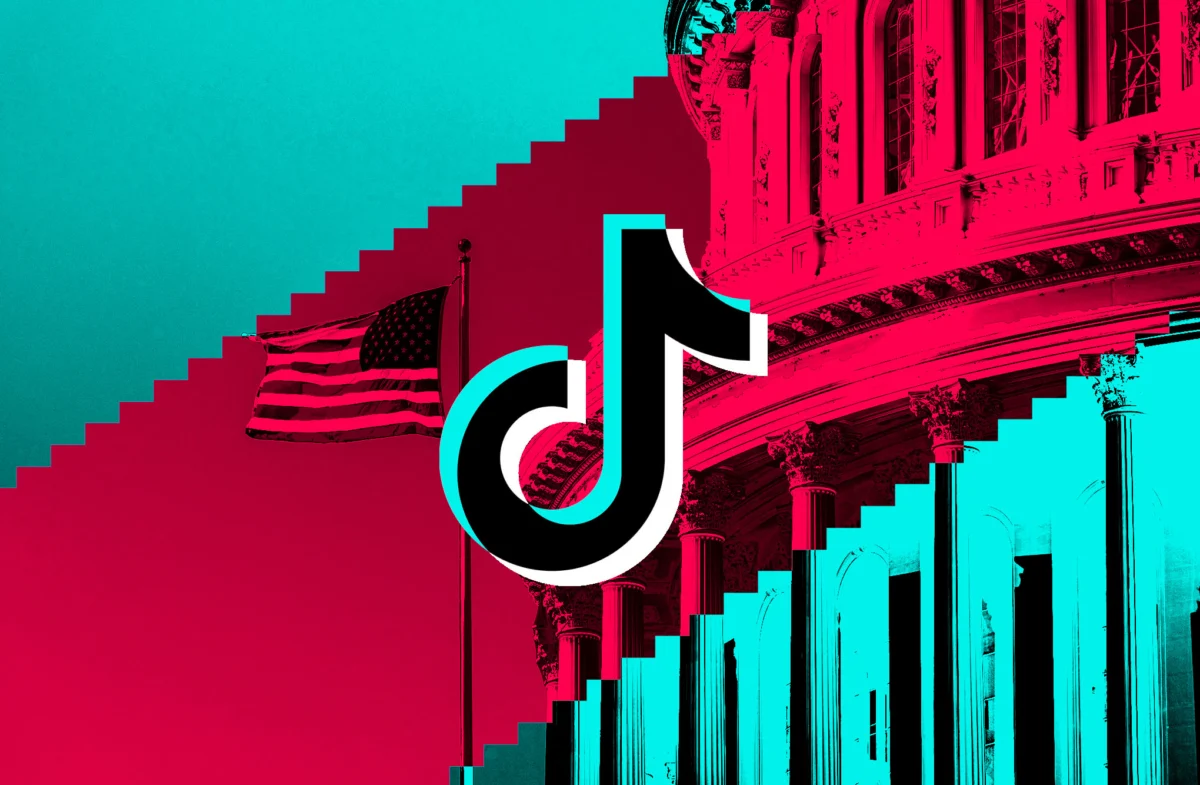
A prominent congressional committee has accused TikTok of backing out of a scheduled public engagement, alleging the social media giant’s withdrawal stems from an unwillingness to address critical questions surrounding its child safety protocols, particularly in the wake of a significant settlement reached by a rival platform. The House Select Committee on the Chinese Communist Party (CCP) stated that TikTok’s chief security officer had initially agreed to participate in a public roundtable discussion aimed at scrutinizing the app’s data security practices and its algorithmic ties to China. However, the committee chair announced that TikTok subsequently rescinded its commitment, citing an inability to engage on child safety issues due to the recent legal entanglements of Meta Platforms, the parent company of Facebook and Instagram.
This development raises significant questions about TikTok’s transparency and its approach to accountability, especially given the platform’s immense popularity among younger demographics and the ongoing global debate regarding the impact of social media on minors. The committee’s assertion suggests a strategic maneuver by TikTok to avoid potentially damaging inquiries into its content moderation policies and the efficacy of its child protection measures, potentially diverting attention from broader national security concerns related to its Chinese ownership.
The House Select Committee on the CCP, led by Chairman John Moolenaar, had been actively negotiating with TikTok representatives to secure testimony from its chief security officer. The objective of these discussions was to probe critical issues concerning the potential for the Chinese government to access American user data and to understand the inner workings of TikTok’s proprietary algorithm. These concerns have been a persistent theme in congressional oversight of the platform, fueled by fears that ByteDance, TikTok’s parent company, could be compelled by Beijing to share sensitive user information or manipulate content for strategic purposes.
According to Chairman Moolenaar’s statement, the initial engagement was characterized by good-faith negotiations, culminating in an agreement for the chief security officer to appear before the committee. However, this understanding appears to have fractured abruptly. Moolenaar stated that TikTok’s subsequent decision to withdraw was predicated on a desire to avoid "broader scrutiny of its child safety practices." This rationale, as articulated by the committee chair, is particularly noteworthy given that the planned roundtable was ostensibly focused on data security and algorithmic transparency, not child safety per se.
The timing of TikTok’s withdrawal is also significant, occurring shortly after Meta Platforms reached a comprehensive settlement with state attorneys general concerning its own child safety practices. This landmark agreement, which mandates sweeping changes to Meta’s operations and imposes substantial financial penalties, has placed other major social media companies, including TikTok and YouTube, under increased pressure to address similar allegations of contributing to the harm of young users. In the aftermath of Meta’s settlement, calls were reportedly made for TikTok and YouTube to voluntarily adopt comparable measures.
Chairman Moolenaar elaborated on TikTok’s justification for its withdrawal in an interview with Bloomberg News, revealing that the company allegedly cited Meta’s settlement as a reason for its inability to discuss child safety issues. This, Moolenaar noted, was despite the fact that the committee’s intended agenda for the roundtable did not primarily focus on child safety. This apparent deflection by TikTok suggests a potential strategic attempt to leverage the ongoing scrutiny of its competitors to shield itself from direct questioning on a sensitive and increasingly scrutinized aspect of its platform’s operation.

The implications of TikTok’s decision extend beyond the immediate congressional inquiry. It signals a potential reluctance on the part of the company to engage openly with lawmakers on issues that could expose vulnerabilities in its operational framework and content moderation strategies. The ongoing wave of litigation targeting social media platforms for their alleged role in exacerbating mental health issues and exposing minors to harmful content has created a challenging legal and public relations environment. TikTok’s apparent maneuver to avoid such discussions, even indirectly, could be interpreted as an acknowledgment of the inherent risks associated with these topics.
Despite TikTok’s withdrawal, Chairman Moolenaar affirmed the committee’s commitment to rescheduling the engagement. He reiterated the panel’s intent to "protect the American people and ensure TikTok executives publicly address the Committee’s questions regarding its operations and safeguards." This commitment is underscored by the mandate of the "Protecting Americans From Foreign Adversary Controlled Applications Act," a legislative measure that has previously threatened a ban on TikTok in the United States. The act, though its enforcement has been repeatedly delayed, highlights the persistent legislative concerns surrounding foreign-controlled applications.
The historical context of the legislation provides further insight into the committee’s persistent scrutiny of TikTok. The law, which was enacted with the intention of addressing national security risks associated with foreign adversary-controlled applications, initially mandated a divestiture of TikTok’s U.S. operations from its Chinese parent company, ByteDance. While a deal was eventually struck in January to establish a new U.S.-based entity for TikTok’s services, theoretically addressing the security concerns cited in the law, lawmakers on the Select Committee have maintained that fundamental questions regarding Chinese government influence on the platform’s algorithm and the robustness of U.S. data protection remain unanswered.
Following the completion of the restructuring deal, Chairman Moolenaar issued a statement emphasizing that TikTok would still be required to directly answer the committee’s inquiries concerning potential Chinese government influence and data security protocols. This ongoing insistence on direct testimony and public engagement suggests that the legislative branch views the structural changes as insufficient to fully allay its concerns. The committee’s continued pursuit of this matter indicates a sustained effort to hold TikTok accountable and to ensure that American users are adequately protected from potential foreign influence and data exploitation.
The broader implications of this standoff are significant for the tech industry and for policymakers grappling with the complex challenges posed by globalized digital platforms. TikTok’s perceived evasiveness on child safety, even when couched in the context of competitor settlements, could fuel further legislative action and public distrust. It also highlights the intricate interplay between national security concerns, data privacy, and the protection of vulnerable populations in the digital age. As legislative bodies worldwide continue to wrestle with regulating powerful tech companies, the actions of platforms like TikTok will undoubtedly shape future policy debates and regulatory frameworks. The committee’s stated intention to reschedule the engagement suggests that this particular confrontation is far from over, and the pressure on TikTok to provide transparent and substantive answers regarding its operations and safeguards is likely to intensify. The ongoing narrative surrounding TikTok’s engagement with Congress serves as a microcosm of the larger, evolving relationship between technology giants and governmental oversight, a relationship characterized by both collaboration and significant tension.


 Lisa Mariana
 Ayu Aulia

 Safa Marwah