
 Aura Kasih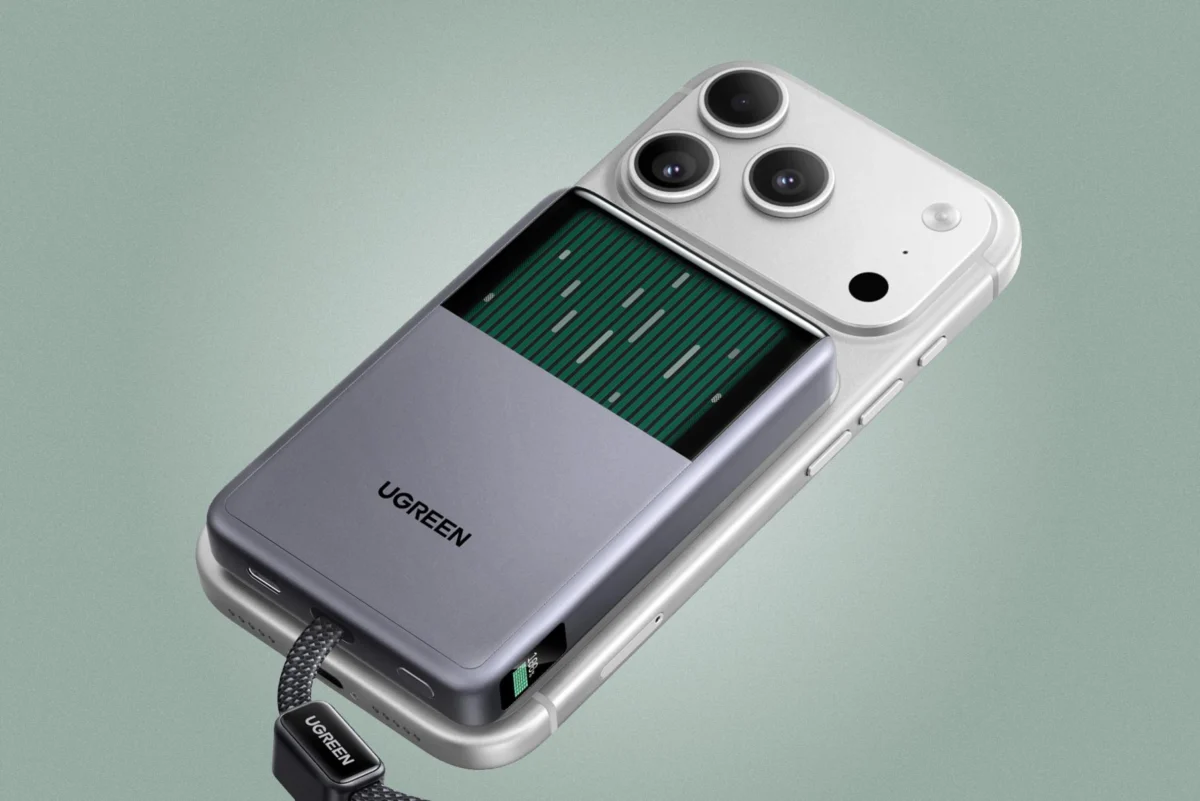
Ugreen has introduced a groundbreaking portable power solution, the MagFlow Pro Magnetic Power Bank, which integrates a sophisticated liquid-cooling system with high-speed wireless charging capabilities, aiming to redefine thermal management in mobile accessories.
The advent of advanced portable power solutions has long been a pursuit for manufacturers seeking to balance capacity, charging speeds, and device longevity. Ugreen’s latest offering, the MagFlow Pro Magnetic Power Bank, represents a significant leap forward in this domain, distinguished by its pioneering integration of a liquid-cooling system. This innovative approach, dubbed "CryoPulse technology" by the company, is designed to tackle the persistent challenge of heat generation in high-performance portable charging devices, particularly those incorporating wireless charging. Priced at $149.99, this 10,000mAh power bank positions itself at the premium end of the market, a premium justified by its unique thermal management architecture and Qi2.2-compatible wireless charging capabilities, promising up to 25W of power delivery.
At the heart of the MagFlow Pro’s innovative design lies a miniaturized micro-pump. This component is instrumental in circulating a specialized coolant throughout the power bank. The primary objective of this internal circulation is to actively draw heat away from critical components, most notably the Qi2.2 wireless charging coil. This proactive heat dissipation is crucial, as wireless charging, while convenient, inherently generates more heat than traditional wired charging due to energy transfer inefficiencies. The ability to efficiently manage this thermal load is paramount for both the performance and the lifespan of the power bank itself, as well as for the connected devices.
The system’s efficacy is made visually apparent through what Ugreen terms the "Cyber Window," a transparent aperture on the power bank’s facade. This window offers users a direct view of the coolant’s movement, providing a tangible demonstration of the active cooling process. Beyond the visual appeal, this liquid-cooling mechanism works in concert with other thermal management strategies. These include the incorporation of copper foil, a material known for its excellent thermal conductivity, and a strategic internal layout that physically separates heat-generating charging components. This multi-faceted approach aims to mitigate the detrimental effects of heat buildup, thereby extending the operational life of the power bank’s internal battery and, by extension, contributing to the health and longevity of the devices it charges. Furthermore, effective thermal management is key to maintaining consistent and high charging speeds, allowing the MagFlow Pro to reliably deliver up to 25W of power without compromising component integrity or performance. Consequently, users can expect the power bank to remain cooler to the touch, even after extended charging sessions, enhancing user comfort and safety.

The MagFlow Pro’s utility extends beyond its advanced cooling. It offers versatile charging options to cater to a wide range of user needs. In addition to its magnetic wireless charging capabilities, which leverage the Qi2 standard for enhanced alignment and efficiency, the power bank features a built-in USB-C cable lanyard. This integrated cable not only serves as a convenient charging accessory but also doubles as a strap for carrying the power bank, reducing the likelihood of misplacing essential cables. A dedicated USB-C port further enhances its versatility, allowing for simultaneous charging of multiple devices. Both the integrated cable and the USB-C port are capable of delivering up to 45W of power output. However, it is important to note that the MagFlow Pro’s total maximum output is capped at 25W. This means that when multiple devices are connected, the available power will be distributed among them, potentially reducing individual charging speeds. This limitation underscores the importance of understanding the power distribution dynamics of multi-port charging devices.
The integration of liquid cooling in a consumer-grade power bank represents a significant technological advancement, moving beyond the conventional passive cooling methods of heat sinks and natural convection. Historically, liquid cooling has been a domain primarily associated with high-performance computing, such as gaming PCs and server infrastructure, where the management of substantial heat loads is critical for optimal performance and stability. Applying this technology to a portable accessory like a power bank presents unique engineering challenges. These include miniaturization of the pump and fluid pathways, ensuring the integrity of the sealed liquid system to prevent leaks, and managing the power consumption of the pump itself to avoid significantly impacting the overall battery life. Ugreen’s successful implementation suggests a sophisticated engineering effort to overcome these hurdles.
The rationale behind Ugreen’s investment in liquid cooling for a power bank is rooted in several key performance and longevity benefits. Firstly, consistent high-speed charging, whether wired or wireless, generates heat. Excessive heat can lead to thermal throttling, where the device reduces its charging speed to prevent overheating, thereby diminishing the user experience. Secondly, prolonged exposure to high temperatures can degrade battery components over time, reducing their capacity and overall lifespan. By actively removing heat, the MagFlow Pro aims to maintain optimal operating temperatures, ensuring consistent charging speeds and prolonging the health of both its internal battery and the connected devices. This focus on thermal management aligns with a broader trend in consumer electronics towards enhancing durability and performance through advanced thermal solutions.
The Qi2 standard, which the MagFlow Pro supports, is another crucial element of its advanced feature set. Qi2 is designed to improve upon the original Qi wireless charging standard by incorporating the Magnetic Power Profile (MPP) from Apple’s MagSafe technology. This integration ensures precise alignment between the charging device and the power bank, leading to more efficient power transfer and reduced energy loss as heat. The magnetic attachment also provides a secure connection, preventing devices from slipping off the charging surface, which is particularly beneficial when charging on the go. By combining Qi2 with its liquid-cooling system, Ugreen is aiming to deliver a seamless and highly efficient wireless charging experience.
The MagFlow Pro’s positioning as a premium product also reflects the growing market for advanced mobile accessories. As smartphones and other portable devices become more powerful and feature-rich, the demand for accessories that can keep pace with their performance needs also increases. Consumers are increasingly willing to invest in high-quality, durable, and feature-rich accessories that offer a superior user experience and better protect their valuable devices. The $149.99 price point, while substantial for a 10,000mAh power bank, signals Ugreen’s intent to target this discerning segment of the market, those who prioritize cutting-edge technology and robust performance.

Looking ahead, the success of Ugreen’s MagFlow Pro could pave the way for wider adoption of liquid-cooling technology in other portable electronics. The principles applied to this power bank – miniaturization, efficient fluid dynamics, and effective thermal transfer – are transferable to other devices where heat management is a bottleneck. This could include portable gaming consoles, high-performance tablets, or even wearable technology. The ongoing evolution of battery technology and increasing power demands in smaller form factors necessitate innovative solutions for thermal dissipation. Ugreen’s foray into liquid-cooled power banks may well be a harbinger of a new era in portable electronics thermal management.
The inclusion of a 45W USB-C output alongside the 25W wireless charging offers considerable flexibility. This allows users to rapidly charge devices that support USB Power Delivery (PD) at their maximum supported rates, while still benefiting from the convenience of wireless charging. The 10,000mAh capacity provides a substantial reserve of power, capable of recharging most smartphones multiple times, making it suitable for extended travel or periods away from a power outlet. However, as noted, the aggregate output limitation is a crucial consideration for users who frequently charge multiple power-hungry devices simultaneously. Strategic use of the ports, prioritizing the highest wattage needs first, will be key to optimizing the charging experience.
In conclusion, Ugreen’s MagFlow Pro Magnetic Power Bank is a significant technological achievement, pushing the boundaries of what is expected from portable power solutions. By integrating a liquid-cooling system with advanced wireless charging and robust wired output options, Ugreen has created a product that addresses the critical issue of thermal management, promising enhanced performance, longevity, and a superior user experience. This innovative approach not only elevates the power bank category but also sets a precedent for future advancements in the broader landscape of portable electronics.




 Lisa Mariana
 Ayu Aulia

 Safa Marwah