
 Aura Kasih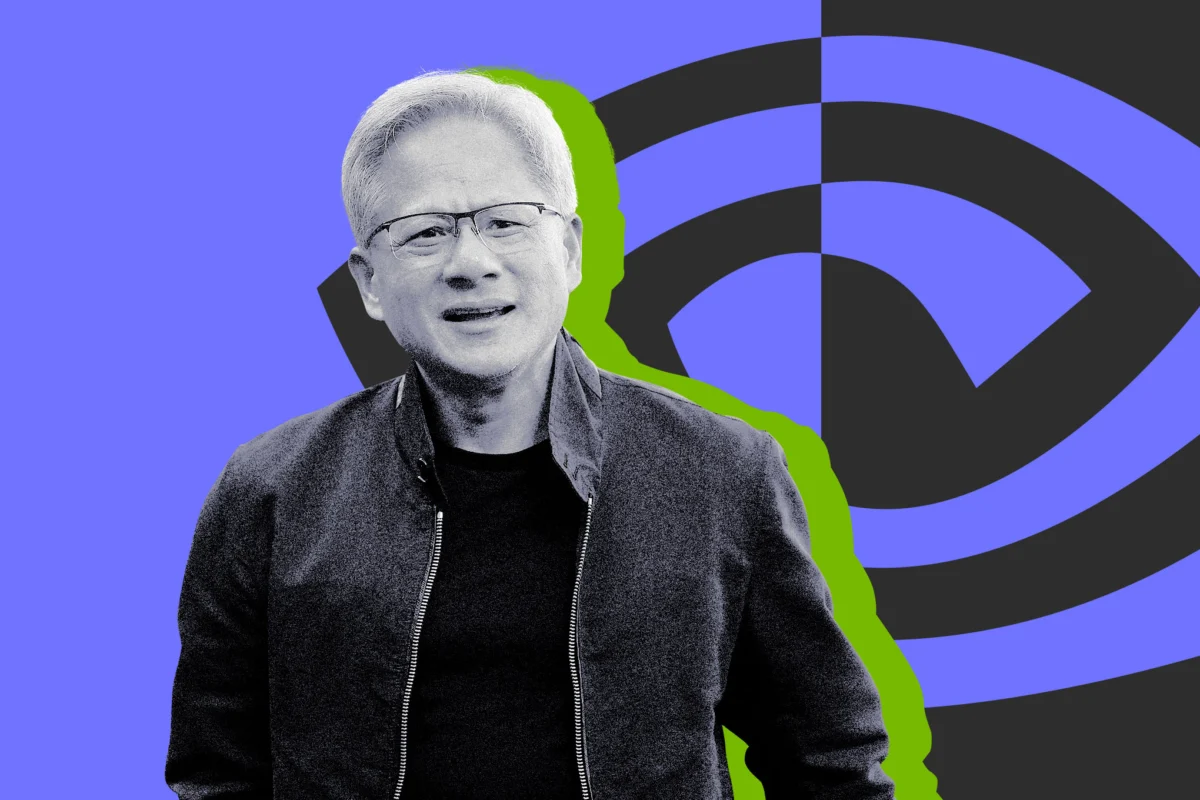
In a move poised to reshape the landscape of artificial intelligence development, semiconductor titan Nvidia has announced its intent to acquire Hugging Face, a leading platform for open-source AI models and datasets, for a staggering $12.93 billion. This strategic maneuver brings one of the most vibrant hubs for AI innovation under the umbrella of the company that powers much of the world’s AI hardware, signaling a decisive step in Nvidia’s ongoing campaign to solidify its position in the rapidly evolving AI ecosystem.
Founded in 2016, Hugging Face has emerged as an indispensable resource for AI practitioners, fostering a collaborative environment where developers can readily share, discover, and deploy a vast array of machine learning models, datasets, and associated tools. Its intuitive interface and commitment to open-source principles have earned it widespread acclaim, often drawing parallels to "GitHub for AI," a testament to its crucial role in democratizing access to cutting-edge AI technologies and cultivating a robust community of researchers and engineers.
The acquisition’s implications are profound, extending beyond a simple financial transaction. Nvidia CEO Jensen Huang articulated a vision where the integration of Hugging Face’s platform will amplify its reach, bolster its infrastructure, and broaden access to AI advancements for a global audience of developers and institutions. Crucially, Huang emphasized Hugging Face’s continued commitment to remaining an open and neutral platform. This assurance suggests that users will retain the freedom to select their preferred models, frameworks, cloud providers, and inference service providers, with Nvidia’s compute power not being a mandatory prerequisite for utilizing or deploying through Hugging Face. This commitment to openness is a critical factor in maintaining trust within the open-source community, which often views proprietary control with skepticism.
Speculation surrounding this monumental deal began to circulate prior to the official announcement. Reports surfaced on August 23rd, indicating that Hugging Face was reportedly exploring strategic options for a sale valued at approximately $13 billion. By August 27th, further reporting suggested that Nvidia had entered into acquisition discussions with Hugging Face, with some outlets indicating that a definitive agreement had already been reached for a valuation around $12.9 billion. While these initial reports lacked independent verification, Nvidia’s public confirmation now solidifies the transaction.
This acquisition arrives at a pivotal moment in the AI industry. As the open-source community actively strives to keep pace with the advancements made by proprietary AI systems, Nvidia’s strategic acquisition of Hugging Face positions it to maintain its hardware dominance. This is particularly significant as major closed-source AI players, including OpenAI, Anthropic, and Google, are increasingly investing in the development of their own in-house AI chips, potentially reducing their reliance on external hardware providers. By integrating Hugging Face, Nvidia gains direct access to a vast community of AI developers and their ongoing projects, providing invaluable insights into emerging trends and future hardware needs.
The financial valuation of Hugging Face has seen a significant escalation. Its most recent official valuation stood at $4.5 billion, a figure established following a funding round in 2023, in which Nvidia itself participated. Prior reporting also indicated that Hugging Face had previously declined a $500 million investment offer from Nvidia last year, which would have valued the company at $7 billion. At the time, the startup reportedly expressed reservations about the prospect of having a single, dominant investor, suggesting a desire to maintain a degree of independence. This history underscores the evolving dynamics and increasing strategic importance placed on Hugging Face by major industry players.
While Hugging Face’s valuation has soared, its revenue generation, by traditional metrics, remains modest relative to its acquisition price. Recent reports suggest that the company’s annualized revenue is around $150 million, a fraction of the nearly $13 billion purchase price. However, for Nvidia, the world’s most valuable public company, the substantial capital expenditure is clearly an investment in securing its long-term strategic advantage in the AI sector. The company’s consistent revenue growth, fueled by the insatiable demand for its GPUs, provides it with the financial capacity to make such bold strategic moves to protect and expand the AI empire it has meticulously constructed.
The strategic rationale behind Nvidia’s acquisition of Hugging Face extends far beyond mere financial investment. Hugging Face’s platform serves as a crucial nexus for the open-source AI community, providing a centralized repository for models, datasets, and tools that are fundamental to research and development. By acquiring this platform, Nvidia gains unprecedented visibility into the direction of AI innovation, enabling it to better anticipate future hardware requirements and tailor its product development accordingly. Furthermore, it allows Nvidia to exert influence over the ecosystem’s trajectory, potentially steering it towards architectures and standards that are more compatible with its hardware offerings.
The open-source nature of Hugging Face is a double-edged sword for Nvidia. On one hand, it represents a massive community of engaged users and a treasure trove of diverse AI projects. On the other hand, it embodies a spirit of decentralization and collaboration that could potentially challenge a monolithic hardware provider. Nvidia’s stated commitment to keeping Hugging Face an open platform is therefore a critical element in ensuring a smooth integration and maintaining the trust of the developer community. Any perceived attempt to monopolize or restrict access to the platform could lead to significant backlash and a potential exodus of users to alternative solutions.
The competitive landscape of AI development is intensely dynamic. Major technology companies are not only investing heavily in AI research and development but are also exploring vertical integration, including the design and manufacturing of custom AI chips. This trend poses a potential threat to companies like Nvidia, whose core business relies on supplying GPUs for AI workloads. By acquiring Hugging Face, Nvidia is essentially hedging against this trend. It ensures that even if some AI developers shift to custom silicon, they will still be operating within an ecosystem that is deeply intertwined with Nvidia’s infrastructure and influence, particularly through the widespread adoption of its CUDA platform and other software libraries that are deeply embedded within the Hugging Face ecosystem.
The acquisition also provides Nvidia with a powerful mechanism for accelerating the adoption of its latest hardware and software technologies. By working closely with Hugging Face, Nvidia can ensure that new models and frameworks are optimized for its hardware, thereby creating a virtuous cycle of innovation and demand. This integration can streamline the development process for AI practitioners, making it easier for them to leverage Nvidia’s cutting-edge capabilities. The emphasis on community collaboration within Hugging Face means that these optimizations can be rapidly tested, refined, and disseminated throughout the global AI developer community.
Looking ahead, the integration of Hugging Face into Nvidia’s portfolio will likely lead to a more cohesive and powerful AI development environment. Developers will benefit from enhanced tooling, improved access to curated datasets, and more robust infrastructure for deploying their models. Nvidia, in turn, will gain invaluable insights into the evolving needs of the AI community, allowing it to maintain its leadership position in the rapidly advancing field of artificial intelligence. The success of this acquisition will hinge on Nvidia’s ability to balance its strategic interests with its commitment to fostering an open and collaborative AI ecosystem, a delicate act that will be closely watched by the entire industry. The substantial investment underscores the immense strategic value Nvidia places on controlling key infrastructure and communities within the AI domain, positioning it for continued dominance in an era increasingly defined by artificial intelligence.



 Lisa Mariana
 Ayu Aulia

 Safa Marwah