
 Lisa Mariana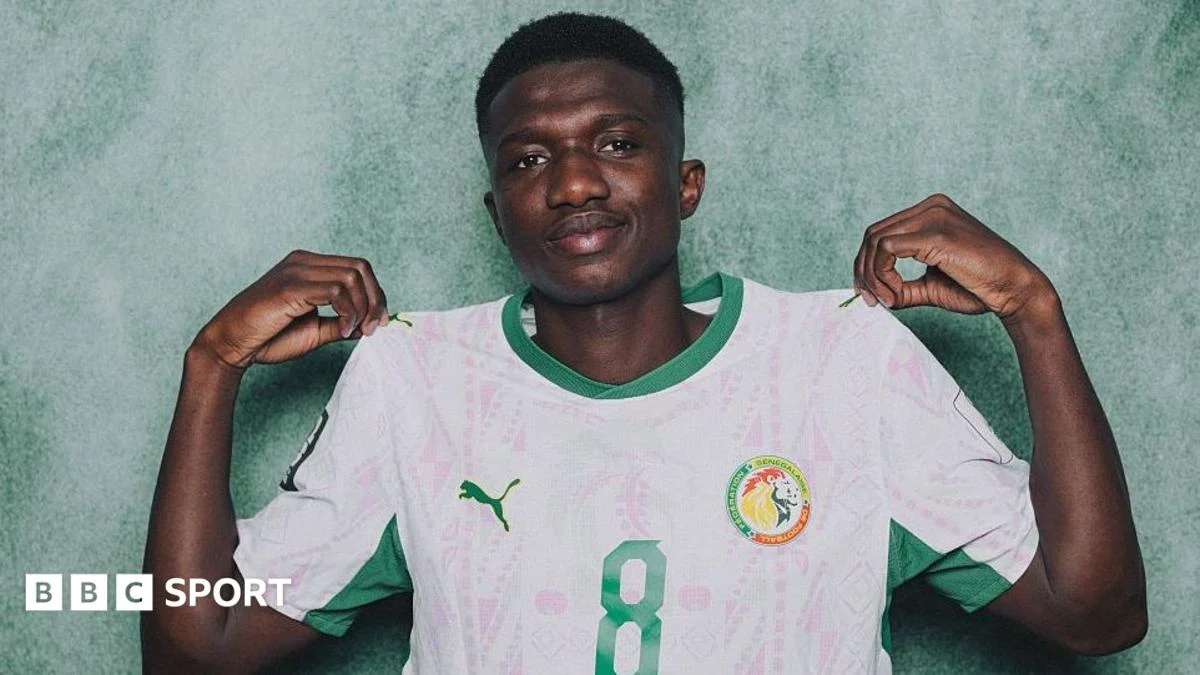
A significant transaction for Chelsea Football Club encountered an unexpected termination, with AS Monaco’s promising Senegalese midfielder, Lamine Camara, now confirmed to remain in Ligue 1 after his prospective £47.1 million switch to the London outfit reached an impasse post-deadline, despite advanced stages of negotiation including a completed medical assessment. The eleventh-hour collapse of this high-profile deal marks a notable deviation in Chelsea’s otherwise aggressive and expansive summer transfer campaign, forcing a reassessment of their immediate midfield reinforcement strategy following other substantial movements.
The pursuit of the 22-year-old Senegalese international by the West London club had been a protracted affair, characterized by an initial period of resistance from the principality side. Chelsea’s initial overtures for Camara were met with firm rejections, indicating Monaco’s reluctance to part with a key asset. However, the dynamics shifted when the potential transfer of Folarin Balogun to Everton faced renewed uncertainties, reportedly prompting Monaco to reconsider their valuation and ultimately lower their asking price for Camara. This created a window of opportunity that Chelsea swiftly attempted to capitalize on, culminating in the player undergoing a medical examination. Despite these advanced steps, the intricate process of finalizing the deal extended beyond the stipulated 23:00 BST deadline, leading to its ultimate failure.
Chelsea’s keen interest in Camara was fundamentally driven by an anticipated structural change within their midfield contingent. The club was actively preparing for the imminent departure of Argentine maestro Enzo Fernandez, who was reportedly nearing a monumental £125 million transfer to Premier League rivals Manchester City – a figure that would establish a joint-British transfer record. The potential void left by Fernandez, a pivotal deep-lying playmaker, necessitated the acquisition of a midfielder with comparable attributes or the capacity to evolve into such a role. Camara, known for his dynamism, ball-winning capabilities, and progressive passing, was evidently identified as a prime candidate to mitigate this impending loss and maintain the squad’s competitive edge.
The strategic imperative to bolster the midfield was not solely reliant on Camara. Prior to and concurrent with their negotiations for the Monaco talent, Chelsea had engaged in discussions with other prominent targets. Roma’s Manu Kone was reportedly a subject of extensive dialogue, signifying the club’s broad scouting network and multiple contingency plans. Furthermore, interest was also registered in an undisclosed Premier League option, underscoring a comprehensive approach to addressing critical squad areas. This multi-pronged strategy highlights a proactive and decisive recruitment philosophy aimed at securing optimal talent under varying market conditions.
A stated objective for Chelsea’s leadership throughout this transfer window was to emerge with a demonstrably stronger squad, even in the face of potentially offloading a player of Fernandez’s caliber to a direct competitor. This ambition speaks to a bold, almost defiant, transfer policy – one that seeks to leverage significant player sales to fund a broader, more diversified talent acquisition program. The club’s hierarchy maintains a conviction that this objective has been successfully realized through a series of high-impact signings across various positions.
Leading the charge in terms of investment, Morgan Rogers arrived from Aston Villa in a club-record £117 million deal. This substantial outlay underscores the club’s long-term vision and belief in Rogers’ potential to become a cornerstone of their future attacking setup. Such a significant investment in a single player, particularly one yet to fully establish himself at the very highest level, reflects a strategic bet on youth and future dividends.
Defensive reinforcements were also a priority. Maxence Lacroix, a commanding centre-back, was secured from Crystal Palace, adding depth, aerial prowess, and defensive solidity to the backline. His acquisition signals a continued focus on strengthening the central defensive unit, providing manager Xabi Alonso with more tactical flexibility and competition for places. Further bolstering the goalkeeping department, Emiliano Martinez, the experienced and decorated shot-stopper, was also brought in from Aston Villa. Martinez’s arrival provides a reliable and proven presence between the posts, an essential component for any team with aspirations of challenging for major honors.
Beyond these marquee signings, Chelsea’s recruitment drive has been characterized by volume and strategic targeting across all areas of the pitch. The attacking options have been enhanced with the additions of Emmanuel Emegha and the seasoned Danny Welbeck, providing both youthful potential and invaluable experience in the forward lines. On the flanks, the acquisition of winger Geovany Quenda offers pace, dribbling ability, and creative impetus.
Crucially, the midfield, an area highlighted by the Camara pursuit, has seen significant activity despite the Senegalese’s deal collapsing. The veteran Jordan Henderson joined, bringing unparalleled experience, leadership, and a deep understanding of Premier League football – qualities that will be vital in guiding a relatively young squad. Alongside him, the promising Valentin Barco was also recruited, representing a long-term investment in midfield creativity and control. These additions, particularly Henderson, serve as immediate solutions to the leadership and stability vacuum potentially created by Fernandez’s departure, even if they possess different stylistic profiles than Camara.
Finally, the full-back positions received attention with the arrivals of Marco Palestra and Pep Chavarria, both contributing to the depth and tactical options available on the defensive flanks. These signings indicate a holistic approach to squad construction, ensuring cover and competition across every position.
The immediate on-field returns for Alonso’s side have been largely positive, suggesting a relatively smooth integration of the new personnel. The team has commenced its season with a perfect record across all competitions, securing victories in all three of its matches. In the Premier League, impressive wins against Fulham and Brighton have demonstrated early tactical cohesion and attacking potency. Furthermore, their progression to the third round of the Carabao Cup, following a convincing triumph over Luton Town, reinforces the notion of a squad that is quickly gelling and adapting to the manager’s directives. These early results provide a vital confidence boost and an encouraging sign that the extensive transfer activity is translating into immediate competitive performance.
From an analytical perspective, Chelsea’s transfer window, despite the Camara setback, represents a fascinating case study in strategic squad overhaul. The club has navigated the intricate balance between financial prudence – exemplified by the potential record sale of Fernandez – and aggressive market intervention. The substantial investment in players like Rogers, coupled with the acquisition of experienced figures such as Henderson and Martinez, suggests a multi-faceted approach to building a squad capable of sustained success. The challenge now lies in Xabi Alonso’s ability to forge these disparate talents into a cohesive, high-performing unit. The sheer volume of new arrivals, while promising, always carries the risk of disrupting team chemistry and requiring significant time for full integration.
The failure to secure Lamine Camara, while disappointing, should be viewed within this broader context. It signifies not a complete derailment of Chelsea’s plans, but rather a slight recalibration of their midfield strategy, which has nonetheless been addressed through the acquisitions of Henderson and Barco. The long-term implications will hinge on how effectively these new midfielders compensate for the potential loss of Fernandez and how Camara’s specific attributes might be missed or adequately replaced by existing or newly arrived talent. The emphasis on both established professionals and promising youngsters indicates a clear intent to build for both immediate competitiveness and future dominance. The success of this ambitious project will ultimately be measured not just by transfer fees and individual talents, but by silverware and consistent high-level performance in the challenging landscape of modern European football.



 Aura Kasih
 Ayu Aulia

 Safa Marwah