Lisa Mariana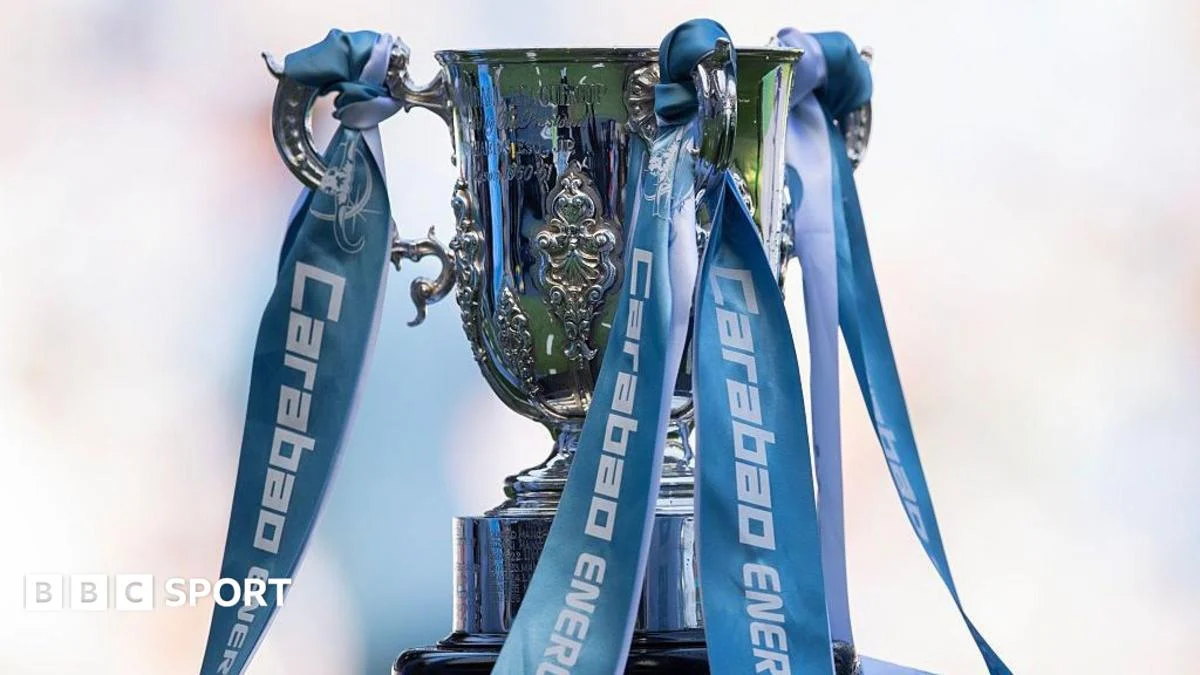
The draw for the third round of the Carabao Cup has set the stage for a series of compelling encounters, with several top-tier clubs facing immediate challenges, including a high-profile showdown between Liverpool and Tottenham Hotspur, and Manchester United’s clash with Brighton & Hove Albion, signaling an intensified phase of the competition as European participants enter the fray.
The Carabao Cup, formally known as the EFL Cup, represents one of England’s three major domestic football honors and traditionally provides an early opportunity for clubs to secure silverware. This year’s third-round draw has delivered a potent mix of established rivalries, potential giant-killings, and intriguing tactical battles. The entry of clubs competing in UEFA competitions – the Champions League, Europa League, and Europa Conference League – significantly elevates the competition’s profile at this stage, injecting additional quality and strategic considerations for managerial teams.
Headline Fixtures: Early Tests for Elite Aspirations
Among the most anticipated matchups, the encounter between Liverpool and Tottenham Hotspur stands out. This fixture pits two Premier League titans against each other far earlier than either would have preferred in a cup competition. For both clubs, who harbor ambitions of challenging at the summit of English football and progressing deep into European tournaments, this draw presents an immediate test of squad depth, tactical adaptability, and early-season form. Liverpool, under Jürgen Klopp, typically values cup runs, but the demands of European football necessitate careful squad management. Tottenham, now under the stewardship of Ange Postecoglou, will view this as an early opportunity to lay down a marker against a traditional rival, showcasing their new tactical approach in a high-pressure knockout scenario. The intensity of this all-Premier League tie promises an enthralling contest, forcing both managers to make strategic decisions regarding team selection, balancing the desire for victory with the need to manage player fatigue and avoid injuries.
Another compelling Premier League contest will see Manchester United host Brighton & Hove Albion. This fixture is a fascinating repeat of recent league encounters that have often seen Brighton emerge as formidable opponents. Roberto De Zerbi’s Brighton side has garnered widespread acclaim for its innovative, attacking football, posing significant challenges to the established ‘Big Six’. For Erik ten Hag’s Manchester United, this represents a stern test against a well-drilled and tactically astute team. United’s pursuit of domestic silverware remains a priority, and navigating such a difficult early-round tie will be crucial for building momentum and confidence. Brighton, conversely, will relish the opportunity to once again demonstrate their credentials on a big stage, potentially adding a significant scalp to their burgeoning reputation.
The draw also served up a classic cup narrative with Ipswich Town welcoming Arsenal. Ipswich, enjoying a strong start to their Championship campaign, will be eager to test themselves against one of the Premier League’s elite. For Arsenal, a club with deep historical ties to this competition and a squad brimming with talent, this match carries the dual objective of progressing to the next round while also providing opportunities for squad rotation and integrating emerging players. However, cup football is renowned for its unpredictability, and a spirited Ipswich side, backed by a passionate home crowd, will undoubtedly provide a challenging environment for Mikel Arteta’s men. Such fixtures are often the stage for memorable "giant-killing" upsets, adding a layer of intrigue to the third round.
Other Notable Draws and Pending Decisions
Reigning champions Manchester City will commence their title defense at home against Norwich City. Pep Guardiola’s side has demonstrated an unparalleled ability to compete on multiple fronts, often utilizing their extensive squad depth to navigate cup competitions while maintaining league and European challenges. This tie, against a Championship opponent, will be seen as an opportunity for City to advance while potentially providing valuable minutes for fringe players or returning internationals.
Meanwhile, Fleetwood Town, the solitary representative from League Two remaining in the tournament, faces a significant challenge as they host Sheffield United. For Fleetwood, this fixture is not only a chance to test themselves against top-flight opposition but also offers considerable financial benefits and invaluable media exposure. These "David vs. Goliath" encounters are a quintessential element of English cup football, providing a platform for lower-league clubs to dream of glory.
Two final third-round berths remain undecided, contingent on the outcomes of Thursday’s second-round fixtures. The victor of the encounter between Chelsea and Luton Town will subsequently host Leeds United, setting up another potentially captivating tie. Chelsea, under new management, will be keen to progress in domestic cups, while Luton will aim to extend their journey. Should Chelsea prevail, the clash with Leeds would reignite a historic rivalry. Similarly, the winner of Fulham versus AFC Wimbledon will also advance, completing the third-round roster.
Strategic Implications and Background Context
The entry of the nine Premier League clubs participating in European competitions – Arsenal, Aston Villa, Brighton & Hove Albion, Crystal Palace, Liverpool, Manchester City, Manchester United, Tottenham Hotspur, and West Ham United – fundamentally alters the dynamic of the Carabao Cup. These teams are automatically granted a bye into the third round, a measure designed to alleviate fixture congestion for clubs representing England in UEFA tournaments. This rule ensures that while these clubs face fewer early-season domestic cup ties, their entry immediately raises the quality and competitive intensity of the subsequent rounds.
To mitigate scheduling conflicts with the initial stages of premier European club competitions, the third-round fixtures are strategically scheduled across two distinct weeks: commencing Monday, September 7th, and Monday, September 14th. This staggered approach provides clubs with slightly more flexibility in managing their demanding schedules, especially those juggling domestic league commitments with Champions League or Europa League group stage matches.
The Carabao Cup: A Multi-faceted Trophy
Historically, the EFL Cup has held varied significance for clubs across the English football pyramid. For the elite, it can serve as a crucial early-season trophy, providing a psychological boost and a tangible reward for squad efforts. For managers, it offers a valuable opportunity to assess squad depth, integrate youth prospects, and experiment with tactical variations without the immediate, high-stakes pressure of league fixtures or the Champions League. A successful cup run can also galvanize a team’s confidence and foster a winning mentality that can translate into improved league form.
For clubs outside the traditional ‘Big Six’, the Carabao Cup offers a more realistic pathway to major silverware and, crucially, a coveted spot in the UEFA Europa Conference League. This European qualification can be transformative for a club’s finances, recruitment efforts, and global profile. The financial incentives, while not as substantial as the FA Cup, still provide a welcome boost, particularly for lower-league teams, with each progressive round offering increased prize money and potential gate receipts from higher-profile home ties.
Furthermore, the competition provides a vital platform for emerging talent. Young players often get their first taste of senior competitive action in these early cup rounds, allowing them to showcase their abilities and stake a claim for more regular first-team involvement. This developmental aspect is particularly valuable for clubs with robust academy systems.
Analytical Outlook and Future Trajectory
The third round of the Carabao Cup is more than just a series of knockout matches; it is a critical juncture that can influence the trajectory of clubs’ seasons. For the likes of Liverpool, Manchester United, and Arsenal, early exits could free up their calendars but might also be perceived as a missed opportunity for silverware and a blow to morale. Conversely, a strong performance, especially against fellow top-flight opposition, could ignite a campaign.
The draw’s inclusion of multiple all-Premier League ties ensures that this round will capture significant public and media attention, reinforcing the competition’s commercial value. These high-stakes matchups are attractive to broadcasters and sponsors, underpinning the cup’s continued relevance in the packed English football calendar. As the tournament progresses, the stakes will only intensify, culminating in the final at Wembley Stadium, a coveted destination for any professional footballer. The journey through the Carabao Cup is often fraught with drama and unexpected turns, and this third-round draw has certainly laid the groundwork for an enthralling series of contests.

 Aura Kasih
 Safa Marwah
 Ayu Aulia