Lisa Mariana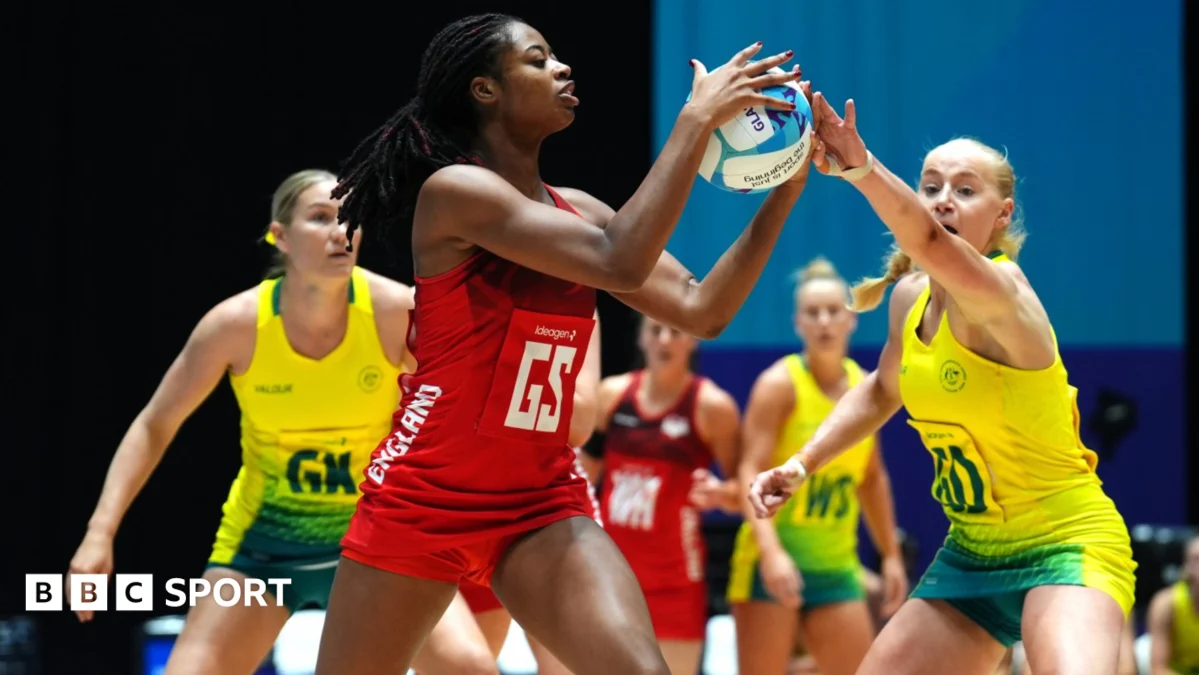
In a contest fraught with the emotional aftermath of semi-final defeats, the Australian Diamonds delivered a commanding performance, triumphing over the England Roses with a score of 68-50 in the netball bronze medal match at the Commonwealth Games 2026, thereby reaffirming their elite status on the global stage despite an uncharacteristic path to the third-place playoff. This decisive victory underscored Australia’s ability to rebound under pressure, leaving England to contend with a fourth-place finish following a tournament that promised much but ultimately fell short of medal aspirations.
The bronze medal encounter at the Commonwealth Games is often a fascinating study in psychological fortitude, pitting two formidable teams against each other just hours after their gold medal dreams have been extinguished. For both England and Australia, this match represented not only the final opportunity for a podium finish but also a critical test of resilience and character. England, having suffered a disappointing defeat to arch-rivals New Zealand in their semi-final clash, sought to rally their collective spirit and seize a medal on home soil. Australia, on the other hand, arrived at the bronze match having endured one of the most significant upsets in recent netball history, falling to an inspired Jamaican side in a result that sent shockwaves through the sport. This unexpected turn of events meant the Diamonds, traditionally perennial finalists and multiple gold medalists, were in unfamiliar territory, battling for third place rather than the top honour.
The historical context of these two netballing nations added further layers of intensity to the fixture. Australia has long been the dominant force in international netball, a veritable powerhouse with an unparalleled record of success at the Commonwealth Games, having contested every single final since the sport’s inclusion and securing the gold medal four times. Their semi-final loss to Jamaica was not merely a defeat; it was a profound rupture in a narrative of consistent excellence, demanding an immediate and emphatic response. For England, the ambition was equally palpable. Following their historic gold medal victory in 2018, there was an expectation, both internal and external, that the Roses would once again contend for top honours. Their journey to the bronze medal match, therefore, represented a chance to salvage a medal and demonstrate their continued evolution as a top-tier netballing nation. The mental and physical demands of playing back-to-back high-stakes matches, coupled with the profound disappointment of missing the gold medal match, presented a unique challenge for both squads, requiring exceptional mental fortitude from athletes and astute tactical management from coaching staff.
The opening exchanges of the match hinted at a more tightly contested affair. England, buoyed by the vocal support of the home crowd, commenced with an encouraging display of defensive pressure and offensive precision. Roses captain Fran Williams, known for her tenacity and strategic defensive play, was instrumental in generating early turnovers, notably forcing a rare miss from Australia’s usually reliable shooter Kiera Austin. This defensive effort allowed England to capitalize at the other end, with Liv Tchine demonstrating composure to convert opportunities, propelling the Roses to an early lead, momentarily establishing a 9-7 advantage. The intensity was palpable, with England’s tactical approach clearly focused on disrupting Australia’s renowned free-flowing attack by limiting forward passing options and forcing the Diamonds into sideways play. This initial period showcased England’s intent to control the tempo and assert their presence.
However, the Australian Diamonds, under the guidance of coach Stacey Marinkovich, are renowned for their ability to absorb pressure and recalibrate. Despite the initial English surge, Australia swiftly found their rhythm, demonstrating why they are considered the world’s premier netballing nation. What followed was a devastating seven-minute spell in the first quarter where the Diamonds systematically dismantled England’s early advantage. Their transition from defence to attack became seamless, their passing incisive, and their shooting clinical. The 9-7 deficit was not just overturned but transformed into a commanding 19-11 lead by the end of the first quarter, reflecting a significant shift in momentum and a stark reminder of Australia’s formidable capabilities. This rapid reversal was a testament to their unwavering belief and their capacity to execute under duress, turning what had been a bruising period for the Roses into a powerful statement of intent from the Diamonds.
As the match progressed into the second quarter, England appeared to struggle with maintaining the intensity required to challenge Australia consistently. Signs of physical and emotional fatigue began to surface, manifesting in a noticeable lack of impetus and precision. The Roses, who had previously succumbed to the Diamonds with a 66-47 loss in the pool stage of the tournament, faced the same relentless pressure. Australia’s established shooting partnership of Kiera Austin and Sophie Garbin, a duo celebrated for their accuracy and courtcraft, began to operate with ruthless efficiency, capitalizing on every opportunity. A crucial moment came when a loose pass from England’s Fran Williams was intercepted, allowing Austin to calmly extend Australia’s lead to 28-16. This error, symptomatic of the mounting pressure, further widened the gap. The Diamonds maintained their steady margin throughout the remainder of the quarter, entering halftime with a comfortable 35-24 advantage, leaving England with a substantial deficit to overcome.
The third quarter saw England’s coaching staff, led by Anna Stembridge, roll the dice in an attempt to ignite a comeback. With Australia holding a formidable 16-point lead, a tactical substitution was made, bringing on experienced shooter Eleanor Cardwell for Liv Tchine. This change injected a renewed energy into the Roses’ attack, and Cardwell’s presence immediately seemed to galvanize the team. England responded with a spirited run, scoring five consecutive points without reply, a testament to their fighting spirit and the impact of the tactical adjustment. This resurgence narrowed the deficit to 45-34 and then further to 49-36 as the quarter concluded, providing a glimmer of hope and demonstrating that England still possessed the capacity to challenge. The crowd, sensing a potential shift, responded with renewed enthusiasm, underscoring the importance of momentum in such high-stakes encounters.
Despite England’s momentary resurgence, the Australian Diamonds ultimately proved too formidable, their professionalism and unwavering focus ensuring the final quarter belonged to them. For a team of Australia’s calibre, competing for a bronze medal was an almost unprecedented scenario, yet their approach to the match was indicative of their championship mentality. They treated the bronze medal as a crucial affirmation of their capabilities, a chance to remind the world of their enduring dominance and why they remain such a feared opponent in international netball. Stacey Marinkovich’s Diamonds delivered a performance that epitomized ultimate professionalism, meticulously executing their game plan and demonstrating superior composure under pressure. They systematically quashed any lingering hopes of an English comeback, maintaining control of the game’s tempo and effectively managing their lead. Ultimately, England again came up short against the top-ranked side, concluding the match with a 68-50 defeat, remarkably losing by one fewer point than their earlier encounter in the pool stage. This consistent margin of defeat against Australia highlights the persistent gap that England must bridge to consistently challenge for gold.
The implications of this result for both nations are significant. For England Netball, while a fourth-place finish at a home Commonwealth Games is undoubtedly disappointing after their 2018 gold, it underscores the intense competition at the pinnacle of the sport. The Roses displayed moments of brilliance and genuine potential throughout the tournament, but consistency against the very best, particularly in high-pressure situations, remains an area for development. The experience gained by newer players and the tactical lessons learned from these challenging encounters will be vital in their preparation for future international competitions, notably the upcoming Netball World Cup. The coaching staff will undoubtedly undertake a thorough review, focusing on player depth, strategic flexibility, and mental conditioning to ensure the team can convert promising performances into podium finishes.
For Australia, securing the bronze medal, while not their ultimate ambition, was a crucial demonstration of resilience and character. Their unprecedented semi-final defeat could have easily led to a disheartened performance in the bronze match. Instead, they showcased why they are regarded as netball’s enduring powerhouse, effectively managing the psychological impact of their earlier loss and delivering a professional, dominant display. This bronze medal, earned under unexpected circumstances, serves as a powerful reminder of their deep talent pool and their unwavering commitment to excellence. It provides a foundation for rebuilding confidence and refocusing their efforts as they look towards the World Cup and the next cycle of major tournaments. The Diamonds’ ability to recover from a significant setback and still secure a medal speaks volumes about their internal strength and strategic planning.
Globally, the netball tournament at the Commonwealth Games 2026 has further illuminated the evolving landscape of the sport. The stunning performance by Jamaica, who advanced to their first-ever Commonwealth Games netball gold medal match, where they were set to face two-time champions New Zealand, signifies a significant shift in the traditional hierarchy. This emergence of new contenders at the very top level adds an exciting dimension to international netball, promising more unpredictable and thrilling contests in the years to come. The era of a seemingly unassailable top two or three nations is increasingly giving way to a more competitive and dynamic field, demanding continuous innovation and excellence from all participating countries. The bronze medal match, therefore, while not the gold, offered valuable insights into the current state of two of the sport’s most prominent nations and their respective trajectories on the international stage. The journey continues for both England and Australia as they recalibrate and set their sights on future opportunities to claim ultimate supremacy.




 Aura Kasih
 Safa Marwah
 Ayu Aulia