Lisa Mariana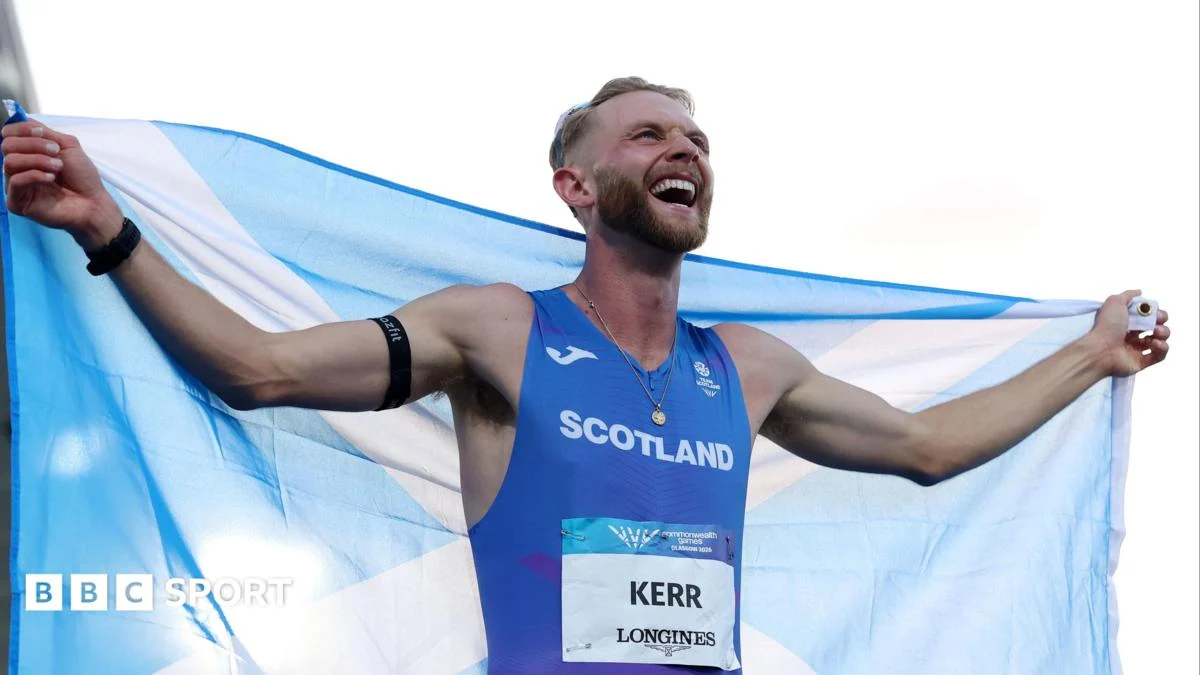
Following an unexpected yet largely successful intervention in Glasgow, which stepped in to host the 2026 Commonwealth Games, the event now navigates a complex future, balancing its intrinsic appeal and developmental value against escalating financial pressures and shifting global sports priorities. The Scottish city’s eleventh-hour readiness to stage the multi-sport spectacle, after the abrupt withdrawal of the initially designated host, Victoria, Australia, provided a vital lifeline for the Games, demonstrating a capacity for adaptability and streamlined execution. While the recent competition garnered significant local enthusiasm and delivered memorable athletic moments, it simultaneously underscored persistent challenges regarding global visibility, financial sustainability, and its overall relevance within an increasingly crowded international sporting calendar.
Glasgow’s role as an emergency host was born out of necessity, a consequence of Victoria’s decision in late 2023 to renege on its commitment, citing prohibitive cost escalations that had spiralled from an initial estimate of A$2.6 billion to an unmanageable A$7 billion. This unprecedented withdrawal plunged the Commonwealth Games Federation into crisis, raising profound questions about the viability of the quadrennial event. Glasgow, a city with a proven track record, having hosted the Games successfully in 2014, offered a pragmatic solution: a significantly scaled-back version utilising existing infrastructure. This approach, while lauded for its expediency and fiscal prudence, inherently limited the scope and potential economic impact compared to previous editions.
On the ground, the atmosphere in Glasgow was largely vibrant and engaged. Despite a reduced ticket sales figure of 434,000, substantially lower than the 1.5 million recorded for Birmingham 2022, the smaller, more intimate venues contributed to a palpable sense of community and excitement. Spectators consistently filled arenas with enthusiastic crowds, creating an engaged backdrop for the athletic contests. This localised intensity, however, did not universally translate into broader economic benefits. Some local businesses, including taxi operators and smaller retail outlets, reported that the Games had not generated the expected uplift, while residents expressed minor frustrations over logistical disruptions like parking space reallocations. Such isolated grumbles highlight the delicate balance required in hosting major events, where the broader community impact must be carefully managed alongside the sporting spectacle.
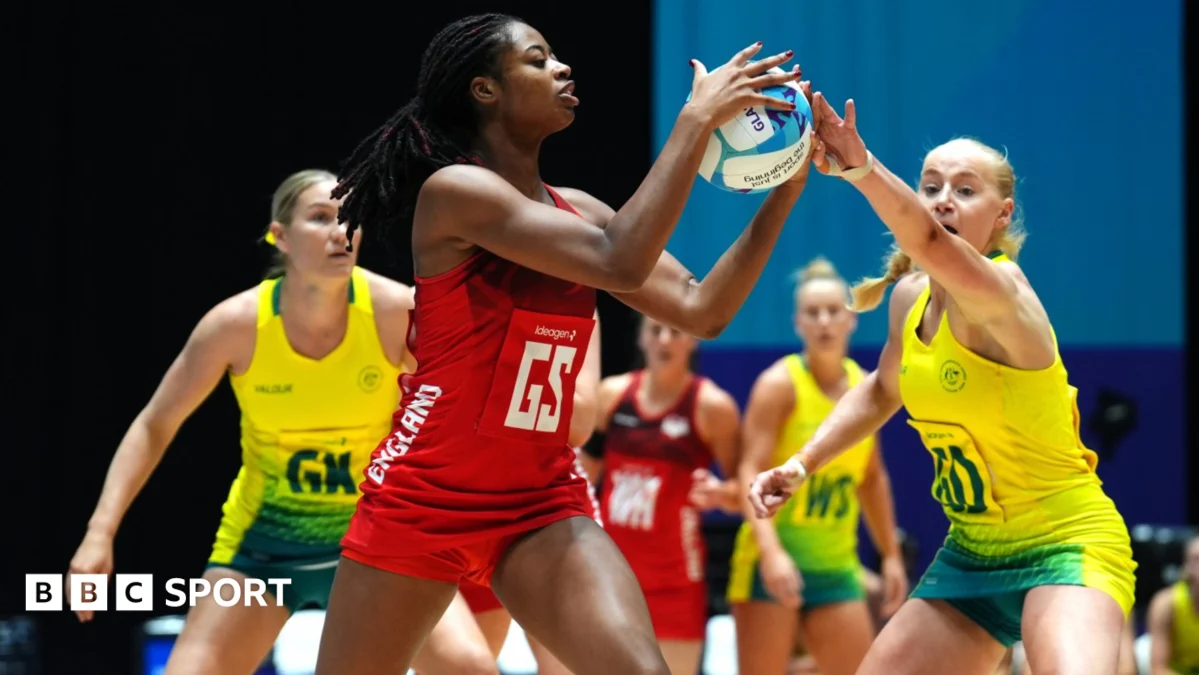
The competitive narrative of the Glasgow Games was rich with human interest and athletic achievement. Home-grown heroes like Josh Kerr, whose golden homecoming in athletics captivated the local audience, exemplified the emotional resonance of the event. Swimmer Angharad Evans generated palpable excitement, her performances shaking the very foundations of the aquatic centre, while Neil Fachie’s poignant victory at the Sir Chris Hoy Velodrome provided another highlight in cycling. Beyond individual triumphs, the Games delivered collective shocks, notably Jamaica’s unexpected and seismic netball victory over Australia, reinforcing the enduring capacity of live sport to produce compelling, unscripted drama. These moments affirmed the core appeal of the Commonwealth Games as a platform for diverse sporting narratives.
However, a recurring and critical inquiry throughout the Glasgow Games pertained to its broader viewership and global impact: "Was anyone else watching?" While organisers were quick to highlight impressive social media engagement, reportedly surpassing Birmingham’s figures within the opening days, and record-breaking television audiences in Australia and New Zealand—where the Games were notably broadcast free-to-air—the picture in the United Kingdom was more complex. Without a similar level of free-to-air coverage, the event struggled at times to break through the domestic media landscape, leading to a perception that it had, in some quarters, "drifted by" without capturing significant national attention. This disparity in media access and viewership underscores a fundamental challenge for the Games in securing consistent global relevance.
Further impacting the Games’ profile was the absence or late withdrawal of several high-profile athletes, particularly in track and field. Key figures such as Keely Hodgkinson, Katarina Johnson-Thompson, and Dina Asher-Smith, whose star power would have drawn significant media and public interest, were notably missing. This phenomenon highlighted a persistent issue: the differing perceived relevance of the Commonwealth Games across various sports. For disciplines like netball, the event unequivocally represents the pinnacle of competition, commanding the full attention and commitment of top athletes. Conversely, for many track and field stars, or swimmers, it often serves as a "stepping stone" or a developmental opportunity, with major Olympic and World Championship cycles taking precedence. Consequently, much of the narrative in Glasgow focused on the emergence of the "next generation" of talent.
This developmental aspect was indeed a strength. Eighteen-year-old Jersey swimmer Filip Nowacki emerged as a standout talent, alongside promising gymnasts Ruby Evans (Wales) and Reuben Ward (Scotland), and English track cyclist Henry Hobbs, who impressively secured two gold medals and a bronze. The Games also provided a vital platform for para-athletes, exemplified by swimmer Faye Rogers, who seamlessly transitioned her Paralympic success to Glasgow with a gold in the para-event, then competed admirably in a non-para category. Cyclist Emma Finucane further demonstrated the Games’ potential as a proving ground, converting her three Olympic medals from Paris into four Commonwealth golds in Glasgow. These athletes, many of whom now set their sights on the Los Angeles 2028 Olympics, underscore the Games’ crucial role in athlete development and national representation.
Yet, despite these individual successes and the palpable local spirit, the lingering question of the Commonwealth Games’ future viability remains paramount. The path forward appears to be undergoing a significant strategic reorientation, exemplified by the plans for Ahmedabad 2030. A pivotal change involves shifting the Games’ traditional summer slot to October, a move specifically designed to liberate athletics from direct scheduling conflicts with the European Championships. While this offers a clear advantage in potentially attracting more top-tier track and field athletes, it simultaneously presents a new dilemma: extending an already gruelling season and forcing athletes to make different strategic decisions about their competitive calendars.
Ahmedabad’s bid for 2030 is strategically intertwined with India’s broader ambition to host the Olympic and Paralympic Games, potentially also in Ahmedabad, positioning the Commonwealth event as a critical precursor and proof of concept. This high-stakes objective is expected to galvanise significant national support and investment, helping to ensure its success. A central feature of the Ahmedabad Games will be the Narendra Modi Stadium, a colossal 120,000-seater cricket venue, which will serve as the primary hub. However, this grand vision is viewed with a degree of caution, particularly given the well-documented organisational challenges and infrastructural issues that plagued the Delhi 2010 Commonwealth Games. The international sporting community will undoubtedly be observing Ahmedabad’s preparations with heightened scrutiny.
A critical point of divergence from Glasgow’s scaled-back model is Ahmedabad’s intention to expand the number of sports. While Victoria had originally envisioned an ambitious program of 20 sports, Ahmedabad plans for 17, an increase from Glasgow’s lean 10. This expansion, however, carries significant financial implications. While Glasgow managed to drastically slash its budget to approximately £160 million from an initial projection of £800 million, the projected budget for Ahmedabad 2030 is almost double Glasgow’s, revealing a fundamental conflict. The "scaled-back template" successfully executed in Glasgow, championed as a model for future sustainability, appears to be immediately contradicted by the ambitious and more costly plans for Ahmedabad. This disparity highlights the ongoing struggle to reconcile financial prudence with the desire for a comprehensive, impactful multi-sport event. The financial and logistical complexities of squaring this circle present a formidable challenge.
The specific selection of sports for Ahmedabad further illustrates the evolving dynamics and India’s significant influence. In contrast to the Olympic trend of incorporating modern, youth-centric sports like skateboarding, surfing, and breakdancing, the Commonwealth Games, under Indian stewardship, are set to reintroduce sports with strong regional appeal, such as cricket, shooting, archery, and hockey. While these additions cater to local passions and competitive strengths, the inclusion of cricket, in particular, raises familiar questions about the Games’ hierarchy within the global sporting landscape. For elite cricketers, the Commonwealth Games do not represent the ultimate prize, which typically resides in World Cups or bilateral test series. This reinforces the perception of varying prestige across different disciplines within the Games.
Ultimately, the enduring appeal of the Commonwealth Games lies in the profound and multifaceted motivations of its participants. Despite the persistent financial and logistical hurdles, and the ongoing debate about its global standing, thousands of athletes, alongside numerous nations, continue to aspire to compete. Rose Davies, an Australian 5,000m runner and part of a dominant squad that secured 70 of the 216 gold medals in Glasgow, articulated this intrinsic value: "I always looked up to it as a little girl and wanted to compete at a Commonwealth Games. It is a big part of our development and one of the goals an athlete has." For smaller nations, the Games offer a rare opportunity for global recognition and inspiration. Tarona Taafaki, after winning Tuvalu’s first-ever Commonwealth medal, eloquently captured this sentiment: "It means there’s a start, there’s a beginning, and right now it’s just the beginning of what Tuvalu can reach in the future." This powerful sense of aspiration, development, and national pride remains the bedrock of the Commonwealth Games. If this fundamental drive can be sustained and effectively leveraged, it offers the most compelling hope for navigating the complex future and ensuring the continued relevance of this unique sporting institution. The challenge for the Commonwealth Games Federation lies in crafting a sustainable model that honours this spirit while addressing the stark realities of contemporary global sports economics.



 Aura Kasih
 Safa Marwah
 Ayu Aulia