Ayu Aulia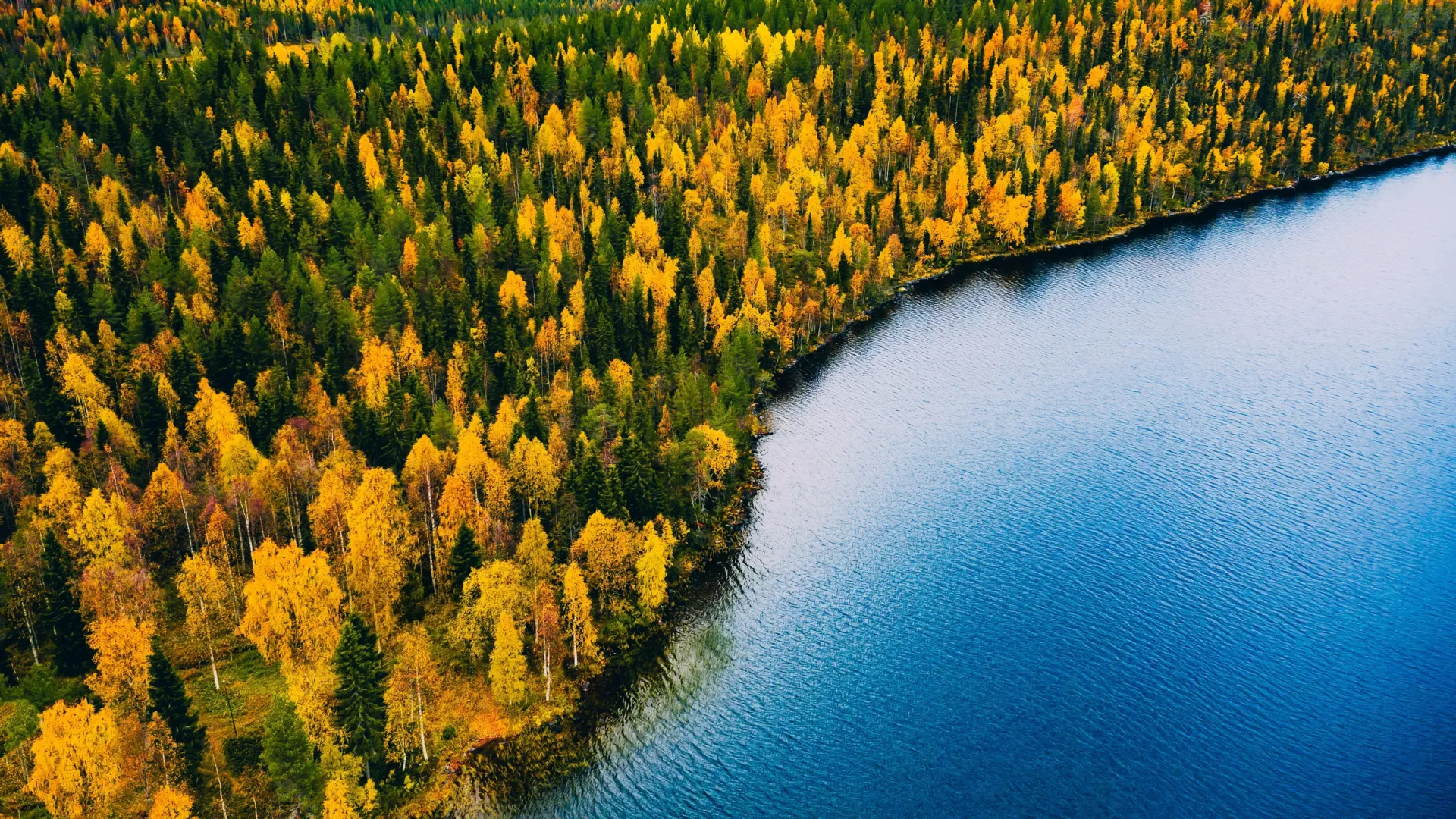
Groundbreaking paleoenvironmental research has fundamentally reshaped scientific understanding of Doggerland, the vast, now-submerged landmass that once connected Britain to continental Europe. New findings indicate that temperate forests thrived across this pivotal North Sea region thousands of years earlier than previously theorized, suggesting Doggerland functioned as a critical ecological refuge and a potentially rich habitat for early human populations long before similar arboreal landscapes became widespread across the broader Northern European plain. This discovery challenges established timelines for post-glacial forest expansion and offers profound insights into the complex interplay between climate, vegetation, and early human dispersal.
Doggerland, often conceptualized as a mere land bridge, is increasingly understood as a dynamic heartland, a sprawling low-lying plain that emerged from the receding ice sheets of the Last Glacial Maximum (LGM) approximately 20,000 years ago. For millennia, it existed as a vital geographical nexus, facilitating the movement of flora, fauna, and human cultures between what would eventually become the British Isles and mainland Europe. Its eventual submersion, a gradual process culminating around 7,000 years ago due to post-glacial sea-level rise and catastrophic events like the Storegga tsunami, erased this landscape from direct human observation, transforming it into the seabed of the modern North Sea. Prior archaeological and geological investigations had largely painted a picture of Doggerland as a predominantly tundra or marshy environment in its early post-glacial phases, with forests developing much later, mirroring the broader reforestation patterns of the continent. The latest research, however, leveraging advanced analytical techniques, unveils a far more complex and precocious ecosystem.
The core of this transformative investigation involved the meticulous analysis of sedimentary ancient DNA (sedaDNA) extracted from an extensive collection of marine sediment cores. Unlike pollen analysis, which relies on the preservation of pollen grains that can be transported over vast distances, sedaDNA provides a more direct and localized genetic fingerprint of past ecosystems. By sampling DNA preserved within ancient soil and sediment layers, scientists can identify species that once inhabited the immediate vicinity, offering a high-resolution snapshot of local biodiversity. The research team focused on 252 individual samples drawn from 41 distinct marine cores, strategically collected along the prehistoric Southern River channel within Doggerland. This specific location was chosen due to its well-preserved sedimentary archives, which act as chronological libraries of environmental change, offering an unparalleled opportunity to reconstruct the ecological history of the region from approximately 16,000 years ago until its final inundation.
The primary revelation from this sedaDNA analysis is the unequivocal evidence of temperate woodland species, including robust indicators of oak (Quercus), elm (Ulmus), and hazel (Corylus), thriving across Southern Doggerland more than 16,000 years ago. This dating significantly predates previous estimates, which placed the widespread establishment of such forests in Britain and much of northern Europe several millennia later. For context, conventional palaeoenvironmental reconstructions, often based on pollen records, suggested that extensive temperate forests only began to colonize these northern latitudes around 10,000 to 8,000 years ago, following a sustained period of warming. The Doggerland findings imply that certain regions experienced earlier and more rapid forestation, potentially due to localized climatic conditions or geographical sheltering.
Further underscoring the unique ecological character of Doggerland, the study also identified DNA belonging to Tilia (lime trees), a genus typically associated with warmer conditions, approximately 2,000 years earlier than its previously recorded appearance in mainland Britain. This suggests that parts of Doggerland might have acted as a significant "northern refuge" during the tail end of the last Ice Age, providing a relatively milder microclimate where certain thermophilous species could persist and even flourish while surrounding areas remained colder or less hospitable.
Perhaps the most astonishing botanical discovery was the detection of DNA from Pterocarya, a genus related to walnuts. Palaeobotanical records previously indicated that Pterocarya had vanished from north-western Europe around 400,000 years ago, making its presence in Doggerland 16,000 years ago a remarkable anachronism. This finding strongly suggests that Pterocarya survived in isolated pockets within Doggerland for hundreds of thousands of years longer than scientists had assumed, challenging long-held assumptions about regional extinctions and the resilience of certain species. Such persistence in localized, protected environments is a hallmark of "microrefugia" – small, geographically sheltered areas that buffer species against broader climatic shifts. The identification of these relict populations in Doggerland offers compelling evidence for the existence and ecological importance of such refugia in sustaining biodiversity during periods of extreme environmental stress, a concept central to understanding "Reid’s Paradox," which describes the surprisingly rapid post-glacial recolonization of northern Europe by forest trees from seemingly distant southern refugia. The existence of closer, more northerly microrefugia, such as those identified in Doggerland, would significantly shorten the migratory distances required for rapid recolonization.
Beyond its botanical revelations, the research provides crucial new insights into the geophysical longevity of Doggerland itself. The sedaDNA record indicates that significant portions of this landmass persisted through major flooding events, including the devastating Storegga tsunami, which occurred approximately 8,150 years ago. While this catastrophic event undoubtedly reshaped vast swathes of the landscape, the findings suggest that some elevated areas of Doggerland remained above water until roughly 7,000 years ago, a later timeframe for its complete submergence than some previous models had posited. This extended period of terrestrial existence provides a longer window for potential human habitation and ecological development than previously assumed, reinforcing the idea of Doggerland as a prolonged and stable environment rather than a fleeting land bridge.
The implications of these findings for understanding early human history in Northern Europe are profound. The presence of established woodland ecosystems in Southern Doggerland as early as 16,000 years ago suggests an environment rich in resources, capable of supporting diverse wildlife and providing ample sustenance for early Mesolithic communities. Such a landscape would have offered abundant game animals, including forest-dwelling species like boar, along with a variety of plant-based foods, timber for construction and fuel, and sheltered encampment sites. This places a highly favorable and productive environment directly within the migratory paths of human groups thousands of years before the emergence of well-documented cultures like the Maglemosian, which flourished around 10,300 years ago.
The existence of such a robust and early Mesolithic environment in Doggerland may also help to elucidate a persistent enigma in British archaeology: the relative scarcity of early Mesolithic evidence on mainland Britain. If Doggerland was indeed a primary heartland of early human settlement, offering more abundant resources and a more stable environment, it is plausible that human populations were concentrated there, with only transient or smaller groups venturing onto what is now Britain. As Doggerland progressively submerged, these communities would have been displaced, their archaeological traces swallowed by the rising sea. The current research thus transforms Doggerland from a mere route of passage into a potentially central locus of early human activity, a vibrant cradle of culture and innovation that shaped the broader demographic and cultural trajectories of northern Europe.
In a broader analytical context, this study exemplifies the power of interdisciplinary research, particularly the integration of advanced molecular techniques like sedaDNA analysis with traditional palaeoenvironmental and archaeological methodologies. It underscores the dynamic nature of past landscapes and the profound impact of climatic shifts on ecosystem structure and human adaptation. The concept of Doggerland as an "ecological fulcrum" – a region that not only facilitated movement but also served as a persistent reservoir of biodiversity and a catalyst for human settlement and resettlement across millennia – gains substantial support from these new findings.
Looking ahead, this research opens numerous avenues for further investigation. Future studies could focus on even more extensive sedaDNA sampling across different regions of Doggerland to build a comprehensive map of its ecological development. Integrating these data with high-resolution bathymetric surveys and geological modeling could refine our understanding of the exact timing and nature of Doggerland’s submergence, identifying potential "islands of refuge" that persisted longest. Furthermore, archaeological exploration of accessible areas of the submerged landscape, perhaps utilizing advanced underwater techniques, could potentially uncover direct evidence of human occupation within these early forested environments.
In conclusion, the new evidence from Doggerland fundamentally revises our understanding of post-glacial environmental history and early human occupation in northern Europe. It reveals a sophisticated, forested landscape that emerged far earlier than previously thought, serving as a critical refuge for ancient species and a potentially rich, enduring home for Mesolithic communities. This lost world beneath the North Sea was not merely a transient land bridge but a dynamic, ecologically vital heartland whose profound influence on the biological and cultural development of the continent is only now beginning to be fully appreciated. Its legacy resonates with contemporary concerns about climate change and the resilience of ecosystems, reminding us that even seemingly ephemeral landscapes can play an outsized role in shaping the course of history.



 Lisa Mariana
 Aura Kasih
 Safa Marwah