
 Ayu Aulia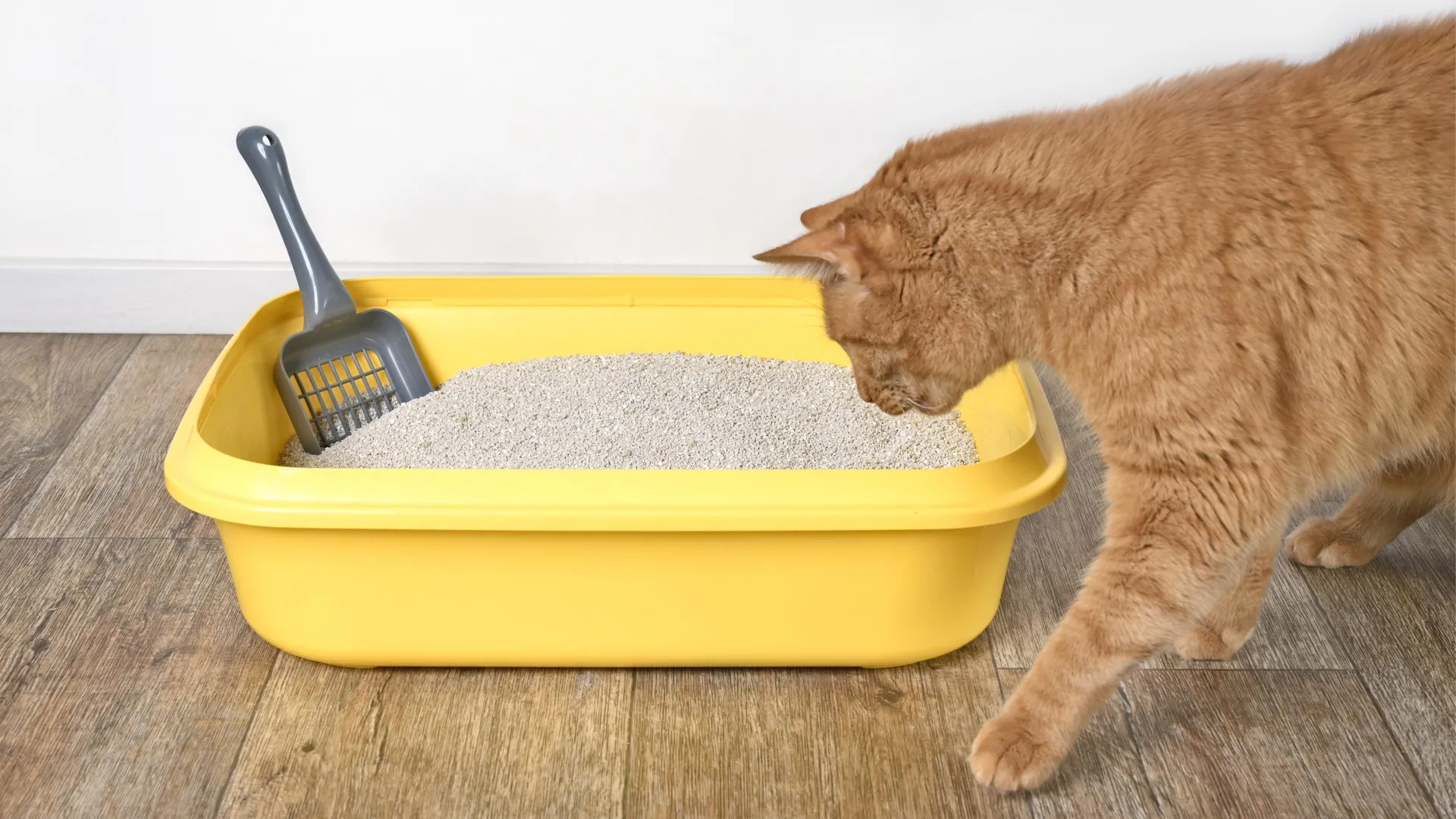
Cats, renowned for their intricate social dynamics and territorial behaviors, rely extensively on olfaction to navigate their world and communicate with conspecifics. Chemical cues, deposited in urine and other scent marks, serve as persistent messages, conveying vital information about an individual’s presence, reproductive status, and identity long after the animal has departed. However, the inherent volatility and rapid degradation of many organic molecules pose a significant challenge: how can these ephemeral chemical traces reliably communicate stable information about their originators over time? Recent collaborative research involving scientists from Japan, Germany, and Spain, spearheaded by Iwate University, has uncovered a potential solution to this long-standing puzzle: a distinctive profile of branched-chain fatty acids (BFAs) in cat urine that appears to function as a durable, individualized chemical "calling card."
The central enigma of chemical communication lies in the transient nature of most scent molecules. Environmental factors such as evaporation, oxidation, and microbial action rapidly alter the composition of deposited chemical signals. For a species like the domestic cat, where scent marks are crucial for establishing territories, recognizing rivals, and identifying potential mates, a mechanism for embedding stable individual information within a constantly evolving chemical landscape is essential. The discovery of these unique BFAs, whose specific mixtures and proportions remain consistent within an individual cat yet vary significantly between different animals, offers a compelling explanation for how felines maintain a persistent chemical signature. This groundbreaking work, soon to be detailed in the prestigious journal Current Biology, suggests that these lipid-derived compounds are not merely metabolic byproducts but actively contribute to a sophisticated system of individual recognition.
Before delving into the specific chemical components, the research team first established the foundational premise: that cats possess the cognitive capacity to distinguish between the urine scents of different individuals and retain this information over extended periods. Utilizing a standard behavioral paradigm known as habituation-dishabituation, researchers observed cat responses to urine samples. When repeatedly presented with the same urine, cats exhibited a gradual decrease in investigation time, a clear indicator of habituation. Crucially, their interest surged significantly upon the introduction of urine from a novel individual, demonstrating their ability to differentiate between scents. Remarkably, this reduced investigative response to familiar urine odors persisted even after hiatuses spanning several months, strongly suggesting the formation of long-term memories associated with specific chemical profiles. This capacity for sustained memory underscores the biological importance of individual scent recognition in feline social ecology.
Further behavioral insights were gleaned from observing the flehmen response, a characteristic open-mouthed grimace often displayed by cats when investigating certain odors. This specialized behavior facilitates the transfer of non-volatile chemical compounds to the vomeronasal organ, an accessory olfactory structure vital for processing pheromonal and other complex chemical signals. The researchers noted that cats exhibited the flehmen response more frequently when encountering unfamiliar urine compared to their own. Consistent with the habituation patterns, repeated exposure to the same urine led to a decrease in flehmen responses, while the introduction of a new individual’s urine promptly reinstated the behavior. This direct behavioral correlation provided a critical guide for the scientists in their subsequent quest to pinpoint the specific urinary molecules responsible for individual scent recognition. Professor Masao Miyazaki of Iwate University, who spearheaded the research initiative, emphasized this methodological approach: "After confirming that cats can distinguish individual urine odors, we used the flehmen response as a clue to identify urinary molecules that may contribute to individual scent recognition."
Guided by these precise behavioral indicators, the scientists meticulously narrowed their focus to a specific lipid fraction within the urine samples. Through advanced analytical techniques, they ultimately identified 13 distinct branched-chain fatty acids (BFAs). A comprehensive review of existing scientific literature revealed no prior reports of these particular BFAs occurring in mammalian excretions or secretions, underscoring their novelty and potential uniqueness to the feline lineage. What proved most significant was not merely the presence of these compounds, but the intricate pattern they formed. Each individual cat possessed a unique BFA profile, defined by the specific combination and relative abundance of these various fatty acids. These profiles exhibited considerable variation between different animals, yet remained remarkably stable and consistent when samples were collected from the same cat on different occasions.
Genetic factors also appeared to exert an influence on BFA profiles. Related cats, such as siblings or offspring, generally displayed more similar BFA patterns compared to unrelated individuals. However, even within familial groups, each cat maintained its own distinct and distinguishable profile, suggesting a complex interplay between genetic predisposition and other, potentially environmental or physiological, factors in shaping individual chemical identity. Furthermore, the compounds demonstrated notable durability, a crucial attribute for a persistent chemical signal. Unlike many highly volatile chemicals that contribute to the immediate scent of urine and begin to degrade rapidly upon deposition, BFAs are classified as semi-volatile. This characteristic means they evaporate more slowly, allowing the distinctive BFA profiles associated with individual cats to remain comparatively stable for at least 24 hours in urine-soaked samples stored at 25°C. This extended stability directly addresses the initial challenge of maintaining a reliable signal in the face of chemical degradation.
To conclusively ascertain whether these BFA patterns were indeed biologically meaningful to cats, the researchers conducted further behavioral experiments. They ingeniously manipulated urine samples by controlling all other lipid components and selectively altering only the BFA-containing fraction derived from different donors. Cats that had habituated to an original urine sample, showing reduced interest, exhibited a renewed increase in sniffing and investigative behavior when presented with a sample where only the BFA fraction had been switched. This compelling behavioral change provided unequivocal evidence that cats can perceive and discriminate between different individual BFA compositions. This result significantly strengthens the hypothesis that these specific fatty acids serve as carriers of meaningful identity information, rather than being mere incidental metabolic byproducts.
The investigation also yielded an unexpected and intriguing discovery with profound implications for feline physiology: the detection of BFAs within the kidneys. Specifically, BFAs were identified in the renal cortex, and lipids containing BFAs were found stored within lipid droplets abundant in this kidney region. The presence and function of these renal lipid droplets have perplexed scientists for over a century. Cats are known to possess an unusually large number of these droplets, but their precise biological purpose has remained largely undetermined. The new findings propose a compelling hypothesis: these lipid droplets may act as a specialized storage reservoir for BFA-containing lipids. Such a reservoir could play a critical role in maintaining the stability of a cat’s chemical signature in urine, buffering against transient fluctuations caused by dietary changes, physiological stress, or other environmental variables. By providing a consistent supply of BFAs, the kidney might thus contribute to the production of a remarkably stable individual chemical profile in urine. Professor Miyazaki elaborated on this long-standing enigma: "Lipid droplets in the cat kidney have been known for more than a century, but why cats have so many of them has remained a mystery. Our findings suggest that one of their functions may be to support a stable chemical signature in urine. How BFAs stored in renal lipids are ultimately released into urine is an important question for future research."
Extending their inquiry beyond domestic cats, the researchers investigated whether this BFA-related chemistry and kidney physiology were conserved across the broader Felidae family. They successfully detected BFA-related compounds in the urine and renal lipid droplets of several wild felid species, including majestic lions, powerful tigers, agile leopards, elusive jaguars, secretive lynxes, and the critically endangered Iriomote cat. While the presence of these compounds was widespread, the exact BFA profiles differed among species, indicating an evolutionary diversification of these chemical signatures. Furthermore, variations were observed in both the quantity and distribution of lipid droplets within the kidneys across different felid species. Intriguingly, even closely related subspecies, such as the geographically isolated Iriomote cat and the Tsushima leopard cat (both forms of the leopard cat found in Japan), exhibited distinct differences. These comparative observations suggest that BFA-related chemistry and the associated kidney physiology are deeply conserved across the feline family, yet have undergone adaptive modifications over the course of feline evolution. While the presence of these compounds is established, further research is needed to definitively demonstrate that wild felids, such as lions and tigers, actively utilize these specific compounds for individual recognition in their natural environments.
This discovery significantly contributes to resolving a broader, fundamental problem in the field of animal communication: how can scent marks convey reliable, enduring information when their chemical composition inherently begins to change immediately upon deposition? While some species, like mice, employ major urinary proteins to preserve individual identity information in urine, a similar protein-based system has not been universally identified across many other mammalian taxa. Cats, it appears, may have evolved a distinct and sophisticated alternative strategy. Rather than relying primarily on proteins, they seem to produce unique combinations of semi-volatile, lipid-derived molecules. The inherent semi-volatility of BFAs, coupled with the potential buffering capacity of a renal lipid reservoir, allows these compounds to persist for longer durations, thereby preserving an individual’s chemical identity over an extended period. This represents a novel mechanism for ensuring signal stability in a dynamic chemical environment.
While the current findings represent fundamental basic research, laying the groundwork for deeper scientific understanding, they open several avenues for future applications across various disciplines. A more comprehensive understanding of BFAs could eventually inform the development of innovative and more effective methods for managing cat urine odor, offering practical benefits to pet owners and veterinary professionals. Furthermore, the unexpected link between BFAs and renal lipid droplets could provide crucial insights into the broader biological significance of lipid accumulation in kidneys. Understanding why lipid accumulation is a normal physiological feature in some contexts, yet pathological in others, is a significant question in renal physiology and metabolic health.
Perhaps most compelling are the potential implications for wildlife conservation. If future research definitively establishes that BFA profiles reliably identify the same individual animal across multiple urine samples, this methodology could revolutionize non-invasive monitoring strategies for rare and endangered wild felids. Collecting urine samples from the environment, without the need for capture or direct observation, could provide invaluable data on population size, individual movements, territorial boundaries, and even health status, offering a powerful, ethical, and low-impact tool for conservationists. What commenced as a focused investigation into the chemical basis of cat scent recognition has thus unfolded into a discovery that not only sheds light on a century-old mystery within feline kidneys but also addresses a fundamental question concerning the enduring nature of identity in the chemical language of the animal kingdom.


 Lisa Mariana
 Aura Kasih

 Safa Marwah