
 Aura Kasih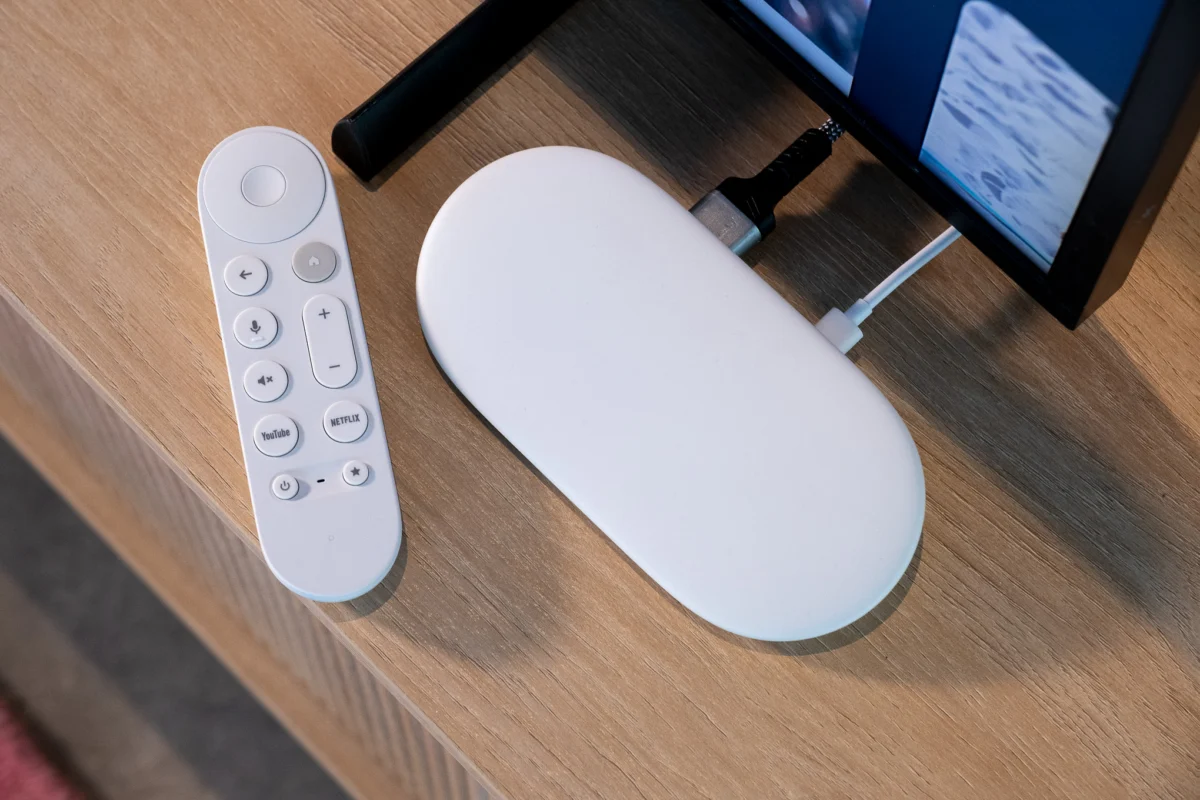
In a move mirroring broader industry trends, Google has implemented a substantial price increase for its popular 4K streaming device, marking a $50 jump to its current retail price. This adjustment positions the Google TV Streamer alongside other leading consumer electronics that have recently experienced similar cost escalations, reflecting a dynamic market influenced by various economic and supply chain factors.
The Google TV Streamer, a device lauded for its seamless integration into the smart home ecosystem and its robust streaming capabilities, has seen its price rise to $149. This new pricing is now reflected on Google’s official online storefront and is also observable at major electronics retailers such as Best Buy. While some retail channels have adopted the updated price, a few, like Amazon, may still offer the device at its previous price point, presenting a temporary window for consumers seeking the older pricing. This development follows closely on the heels of Google’s recent unveiling of its latest Pixel 11 smartphone series, which also incurred a $100 price increase compared to its predecessor, signaling a potential strategic shift in Google’s hardware pricing models.
This recent price adjustment for the Google TV Streamer is not an isolated incident but rather part of a larger narrative unfolding across the consumer electronics landscape. The proliferation of price hikes has become a notable characteristic of the market in recent times, with major players like Apple and Amazon also instituting significant increases for their respective streaming devices and associated hardware. This widespread trend is largely attributed to a confluence of persistent supply chain disruptions, escalating component costs, and a general recalibration of pricing strategies by manufacturers aiming to maintain profitability in a challenging economic climate.
The Google TV Streamer, originally introduced in 2024, quickly established itself as a versatile addition to home entertainment setups, offering not only high-quality streaming in 4K HDR but also serving as a central hub for smart home control. Its dual functionality as a premium media player and an integrated smart home assistant contributed significantly to its initial appeal and market adoption. The device’s ability to consolidate control over various smart home devices through a unified interface, powered by Google Assistant, provided a compelling value proposition for consumers looking to streamline their connected living spaces.
The broader context of escalating prices in the streaming device market is further underscored by recent announcements from competitors. Amazon, for instance, recently implemented a price increase for its Fire TV Stick 4K Max, raising its cost by over 40 percent to $84.99. This adjustment reflects the same underlying pressures affecting Google. Similarly, Apple’s decision to increase the prices of its entire product line in June, which included the Apple TV 4K, has seen the device now retail for $199 for the 64GB model and $249 for the 128GB version. These coordinated price adjustments across multiple industry giants highlight the pervasive nature of these market forces and suggest a significant shift in the cost structure for these popular consumer electronics.
The current inflationary environment, coupled with the lingering effects of global supply chain bottlenecks, has created a challenging operational landscape for electronics manufacturers. The scarcity of essential components, ranging from microchips to display panels, has driven up manufacturing costs significantly. This increase in the cost of goods sold necessitates a corresponding adjustment in retail pricing to preserve profit margins. Furthermore, the increased demand for streaming devices and other home entertainment hardware, fueled by evolving consumer habits and the persistent popularity of content streaming, has allowed manufacturers to implement these price increases with a degree of market acceptance, albeit with consumer scrutiny.
Analysts suggest that this trend of rising prices for streaming devices may signal a maturing of the market segment. For years, these devices were positioned as highly affordable entry points into the streaming ecosystem, often subsidized by content providers or used as loss leaders to drive ecosystem engagement. However, as these devices have become more sophisticated, incorporating advanced features such as 4K HDR support, Dolby Atmos audio, and enhanced smart home capabilities, their bill of materials has naturally increased. The current price adjustments can be interpreted as a reflection of this increased value and complexity, as well as a response to the prevailing economic realities.
The implications of these price increases extend beyond the immediate consumer. For device manufacturers, maintaining profitability in the face of rising costs is crucial for continued innovation and product development. These higher price points could also influence consumer purchasing decisions, potentially leading to a greater emphasis on value and a more discerning approach to acquiring new devices. Consumers may opt to hold onto existing devices for longer, prioritize essential upgrades, or seek out more budget-friendly alternatives if available. This could, in turn, stimulate demand for refurbished devices or drive innovation in the mid-range and budget segments of the market.

Looking ahead, the trajectory of pricing for streaming devices will likely remain closely tied to the broader economic climate and the ongoing resolution of supply chain issues. If component costs continue to stabilize and supply chains normalize, it is possible that price increases could decelerate or even reverse in the future. However, the current geopolitical landscape and the ongoing investments in advanced technologies, such as artificial intelligence and next-generation connectivity, may also exert upward pressure on costs. Manufacturers will need to navigate these complex dynamics carefully, balancing the need to remain competitive with the imperative to deliver profitable and innovative products.
The Google TV Streamer’s elevated price point, therefore, represents a significant moment in the evolution of the streaming device market. It underscores the increasing sophistication and value embedded in these devices, while also reflecting the economic realities that are shaping the broader consumer electronics industry. As consumers adapt to these new pricing structures, the market will likely see a continued emphasis on feature innovation, user experience, and the overall value proposition offered by each device. The long-term impact on consumer behavior and market competition remains to be seen, but the current trend suggests a definitive shift towards a more premium positioning for these once-ubiquitous entertainment hubs.
The strategic decision by Google to increase the price of its streaming device by a substantial $50 is a clear indicator of its evolving approach to hardware monetization. Historically, Google has often leveraged its hardware to expand its ecosystem and gather data, with pricing sometimes being secondary to user acquisition. However, the current market conditions, characterized by rising production expenses and a robust demand for advanced home entertainment solutions, appear to have prompted a more direct approach to profitability. This shift aligns with a broader industry trend where hardware is increasingly expected to contribute more directly to a company’s bottom line.
The positioning of the Google TV Streamer as a smart home hub further justifies its enhanced price. As consumers invest more in connected home technologies, devices that can seamlessly integrate and manage these disparate systems become increasingly valuable. The Google TV Streamer, with its AI-powered capabilities and intuitive interface, offers a comprehensive solution for managing everything from lighting and thermostats to security systems and entertainment. This integrated functionality, which goes beyond simple content streaming, commands a higher perceived value and, consequently, a higher price point.
The competitive landscape also plays a crucial role in these pricing decisions. With Apple and Amazon, two of the most formidable players in the streaming device market, also implementing price increases, Google’s move can be seen as a strategic alignment with industry norms. The absence of significant pushback from consumers regarding the price hikes of Apple TV 4K and Amazon Fire TV Stick 4K Max likely emboldened Google to make a similar adjustment. This creates a more uniform pricing structure across the premium segment of the market, where consumers are presumably willing to pay more for advanced features and seamless integration.
Furthermore, the timing of this price adjustment, occurring shortly after the launch of the Pixel 11 series with its own price hike, suggests a coordinated effort by Google to re-evaluate its hardware pricing strategy across its consumer product portfolio. This could indicate a broader shift in Google’s business model, with a greater emphasis on deriving revenue from hardware sales, rather than solely relying on advertising and services. Such a strategy would require devices to be priced more aggressively to reflect their underlying costs and their contribution to Google’s overall financial health.
The sustained demand for high-quality streaming experiences, particularly in 4K HDR, remains a significant driver for the market. As more content becomes available in these formats, consumers are increasingly seeking devices that can deliver the best possible viewing experience. The Google TV Streamer, with its advanced processing capabilities and support for various audio and video codecs, meets this demand. The price increase, while noticeable, may not deter consumers who prioritize performance and features. However, it could lead to increased competition from more budget-conscious brands or encourage consumers to explore alternative streaming solutions.
The future outlook for the streaming device market will undoubtedly be shaped by the interplay of technological innovation, economic conditions, and evolving consumer preferences. While price increases may become a more common feature, manufacturers will still need to demonstrate clear value to justify these elevated costs. The Google TV Streamer’s success at its new price point will depend on its ability to continue delivering a superior user experience, robust smart home integration, and access to a vast library of content. The market is dynamic, and consumers are becoming increasingly savvy, making it imperative for companies like Google to strike a delicate balance between profitability and consumer affordability.




 Lisa Mariana
 Ayu Aulia

 Safa Marwah