
 Ayu Aulia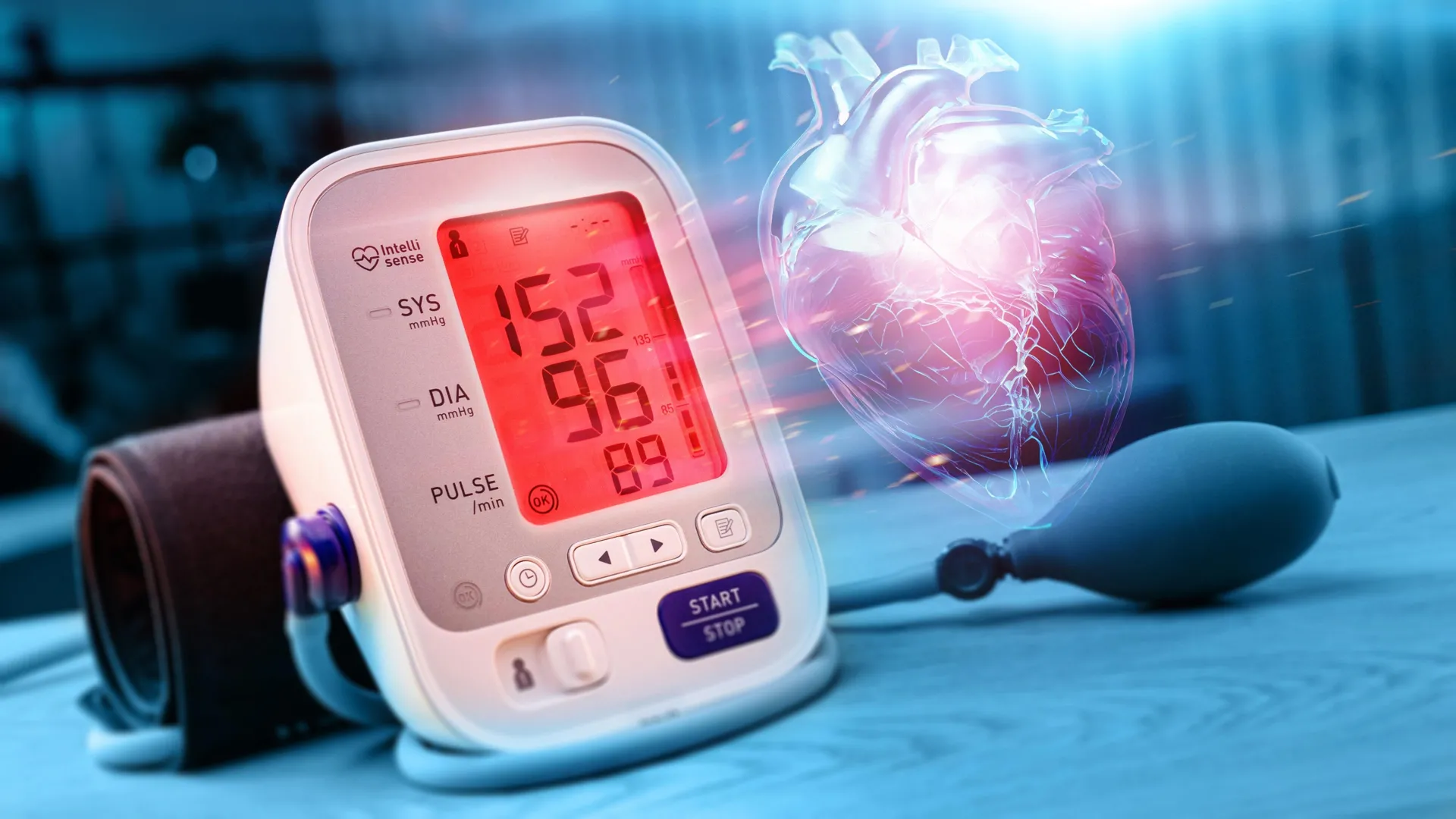
In a significant advancement for integrative medicine, emerging research highlights that targeted psychological interventions, including mindfulness practices, gratitude cultivation, and optimism training, can profoundly enhance various indicators of cardiovascular health in as little as eight weeks. A recent comprehensive review of existing studies has established a consistent association between these positive psychology techniques and measurable improvements in blood pressure, systemic inflammation markers, and other critical risk factors for heart disease. The observed benefits extend beyond direct physiological effects, often correlating with healthier lifestyle choices, such as improved dietary habits and increased physical activity. This synergistic effect underscores the potential for these non-pharmacological approaches to become integral components of long-term cardiovascular wellness strategies, provided consistent reinforcement is maintained.
The investigation, spearheaded by Rosalba Hernandez, a distinguished professor of social work at the University of Illinois Urbana-Champaign and a respected Fellow of the American Heart Association, systematically synthesized findings from eighteen randomized controlled trials. These trials were specifically designed to evaluate the efficacy of positive psychology and mindfulness-based interventions in promoting both mental and physical well-being. The rigorous methodology of a systematic review of randomized controlled trials offers a robust framework for assessing intervention effectiveness, providing a higher level of evidence regarding potential causal links between the interventions and health outcomes.
Diverse Modalities for Cultivating Heart Health
The programs examined within the review exhibited considerable variability in their structural design and delivery mechanisms, reflecting a broad spectrum of approaches to engage participants. Some interventions leveraged the convenience of structured telephone sessions, offering personalized guidance and support. Others integrated reflective practices such as gratitude journaling, often paired with concise check-ins to monitor progress and provide encouragement. The increasing ubiquity of digital technology was also harnessed, with several programs utilizing smartphone applications and text messaging for content delivery and interactive engagement. Beyond these remote modalities, certain initiatives opted for interactive, in-person group meetings, fostering a sense of community and shared experience. Hybrid models, combining the tangible benefits of face-to-face interactions with the flexibility and scalability of online tools and virtual sessions, also proved effective.
Despite their diverse formats, most programs shared common architectural elements designed to maximize engagement and learning. Weekly sessions served as a foundational component, providing structured instruction and facilitating deeper understanding of the techniques. These sessions were invariably complemented by home-based activities, which empowered participants to integrate learned principles into their daily routines, thereby reinforcing the positive changes. The typical duration of these interventions ranged from six to twelve weeks, suggesting that a relatively short-term, focused commitment can yield significant health improvements.
The demographic profile of participants in these studies consistently focused on individuals already facing elevated cardiovascular risk. These cohorts, generally comprising between 50 and 200 adults, presented with conditions such as uncontrolled hypertension, diagnosed heart failure, or other established health factors predisposing them to cardiovascular disease. The average age of participants tended to fall within the late 50s to mid-60s, a demographic particularly vulnerable to cardiovascular events. Gender distribution across the studies, where reported, typically showed women constituting 35% to 55% of the participant pool, indicating a balanced representation across sexes within the at-risk population.
Quantifiable Physiological Improvements: A Closer Look
Professor Hernandez highlighted specific and compelling physiological outcomes stemming from these interventions. Notably, mindfulness-based programs administered over an eight-week period demonstrated a significant reduction in systolic blood pressure (SBP) among cohorts with hypertension and those recovering from acute coronary syndromes. Beyond blood pressure, these programs also effectively lowered inflammatory markers, including high-sensitivity C-reactive protein (hs-CRP) and fibrinogen. These markers are well-established indicators of systemic inflammation, which plays a crucial role in the initiation and progression of atherosclerosis and other cardiovascular pathologies.
Further underscoring the efficacy of these approaches, a 12-week spirituality-based digital intervention achieved one of the most substantial reductions observed. This program led to a remarkable 7.6-point decrease in systolic blood pressure when measured with a standard cuff. Even more significantly, it resulted in a 4.1-point reduction in central systolic pressure, which is measured in the aorta as blood exits the heart. Central SBP is considered a more accurate predictor of cardiovascular events than brachial SBP, as it directly reflects the pressure exerted on vital organs. Such reductions, even seemingly modest in points, are clinically meaningful and can translate into a considerable decrease in the lifetime risk of adverse cardiovascular events like stroke and heart attack.
Uncovering the Optimal "Dose" of Positivity
A critical gap in previous research on positive psychology interventions often pertained to the lack of clear guidelines regarding the necessary frequency and duration of practice required to accrue health benefits. Professor Hernandez and her team aimed to address this ambiguity by systematically identifying the level of participant engagement most consistently correlated with improvements in cardiovascular health markers. Their findings suggest that the therapeutic efficacy of these interventions is not merely a matter of participation, but rather of consistent and sufficiently frequent engagement.
The review revealed a clear trend: programs characterized by more frequent contact between participants and the intervention framework tended to yield the most reliable and robust physiological benefits. This crucial insight underscores the potential for incorporating positive psychology strategies into the long-term management and prevention protocols for cardiovascular disease. The implication is that these interventions should not be viewed as one-off treatments but rather as ongoing practices, much like adherence to medication regimens or regular exercise.
Beyond physiological changes, the study also shed light on the differential impact of various programs on behavioral modifications. One particularly effective eight-week WhatsApp-based program, which combined weekly sessions with daily microtasks, proved instrumental in fostering significant behavioral shifts. Participants in this program were actively encouraged to increase their physical activity levels, adopt healthier dietary patterns, and adhere scrupulously to their prescribed medication schedules. Another intervention, which incorporated motivational interviewing techniques, successfully boosted cardiac patients’ daily physical activity by an impressive 1,800 steps while simultaneously enhancing medication adherence. Interestingly, while mindfulness programs were effective in improving physical activity and diet, they did not exhibit the same level of impact on medication adherence, suggesting that different psychological strategies may be optimized for specific behavioral outcomes.
Professor Hernandez meticulously defined the "therapeutic dose" that most consistently correlated with improvements in blood pressure, inflammation, and endothelial function (the health of the inner lining of blood vessels). This optimal dose involved daily practice reinforced by weekly sessions over a period of eight to twelve weeks. She clarified that this "high-frequency dosing" during the initial phase is crucial for achieving short-term physiological benefits. However, to sustain these beneficial behavioral changes over the long term, ongoing, albeit less intensive, contact may be necessary. This distinction between acute therapeutic dosing and long-term maintenance is vital for designing effective, enduring health interventions.
Integrating Mental Health into Holistic Heart Care
The comprehensive findings of this study, published in the esteemed journal Cardiology Clinics, benefited from the collaborative expertise of co-authors including Soonhyung Kwon, a professor of social work at the University of South Florida; Alyssa M. Vela, a professor of surgery and of psychiatry and behavioral sciences at Northwestern University Feinberg School of Medicine; and Katharine S. Edwards, a professor of cardiovascular medicine and of psychiatry and behavioral medicine at Stanford Medicine.
Professor Vela emphasized the profound implications of these findings, stating, "The findings of this study further point to the importance of attending to mental and behavioral health for cardiovascular disease prevention and cardiovascular health optimization." Her statement underscores a growing consensus within the medical community: that psychological well-being is not merely an adjunct but a fundamental component of cardiovascular health. This perspective necessitates a paradigm shift towards routine screening for mental and behavioral health issues within cardiology settings and the seamless integration of cardiac behavioral medicine services to ensure patients have access to these critical interventions.
This latest research significantly contributes to an expanding body of evidence that unequivocally links psychological well-being to robust cardiovascular protection. An increasing number of studies are demonstrating that positive psychological traits and experiences—such as innate optimism, a general disposition towards positive affect, and the practice of gratitude—are consistently associated with healthier hearts. The mechanisms underlying these connections are complex, involving pathways such as reduced physiological stress responses, improved autonomic nervous system balance, and a greater propensity for engaging in health-promoting behaviors.
The current work elegantly builds upon foundational research previously led by Professor Hernandez, which similarly explored the intricate relationship between psychological traits and heart health. That earlier study, published in the Journal Health Behavior and Policy Review, found a compelling correlation: individuals exhibiting the highest levels of optimism tended to possess healthier cardiovascular profiles. This prior investigation, which received substantial funding from the National Institutes of Health and the National Center for Research Resources, also involved a distinguished panel of co-authors, including Kiarri N. Kershaw, Juned Siddique, and Hongyan Ning, all preventive medicine professors from Northwestern University Feinberg School of Medicine; Donald M. Lloyd-Jones, a preventive medicine and epidemiology professor from Boston University Chobanian and Avedisian School of Medicine; Julia K. Boehm, a psychology professor from Chapman University; Laura D. Kubzansky, a social and behavioral sciences professor from Harvard University School of Public Health; and Dr. Ana Diez Roux, a Distinguished Professor of Epidemiology from Drexel University. The consistent thread through these studies, both recent and prior, reinforces the profound and measurable impact of psychological well-being on physical health, particularly cardiovascular function.
Future Directions and Clinical Integration
The implications of this comprehensive review are far-reaching. For healthcare providers, it offers a compelling evidence base to consider integrating psychological interventions alongside traditional medical treatments for cardiovascular disease. This could manifest as structured referral pathways to behavioral health specialists, the implementation of digital mental health tools within cardiology clinics, or even the training of cardiology staff in basic mindfulness and positive psychology techniques.
However, several challenges and opportunities for future research remain. Long-term efficacy studies are crucial to determine if the benefits observed over 8-12 weeks are sustained over months and years, and what level of ongoing support is needed. Cost-effectiveness analyses will be vital for advocating for broader adoption within healthcare systems, demonstrating that these interventions offer value beyond just clinical outcomes. Research into personalized interventions, tailoring specific psychological techniques to individual patient needs and preferences, could further optimize outcomes. Moreover, exploring the scalability of these programs to reach larger populations, particularly in underserved communities, is a significant next step. Overcoming potential patient skepticism and ensuring consistent engagement will also be key implementation challenges that require innovative solutions.
In conclusion, this systematic review provides robust evidence that relatively short-term, structured psychological interventions can rapidly and effectively improve key cardiovascular health markers. By recognizing the powerful nexus between mind and heart, and by thoughtfully integrating positive psychology and mindfulness practices into preventative and therapeutic strategies, the medical community can move towards a more holistic and patient-centered approach to cardiovascular health, ultimately enhancing both longevity and quality of life for millions.




 Lisa Mariana
 Aura Kasih


 Safa Marwah