
 Lisa Mariana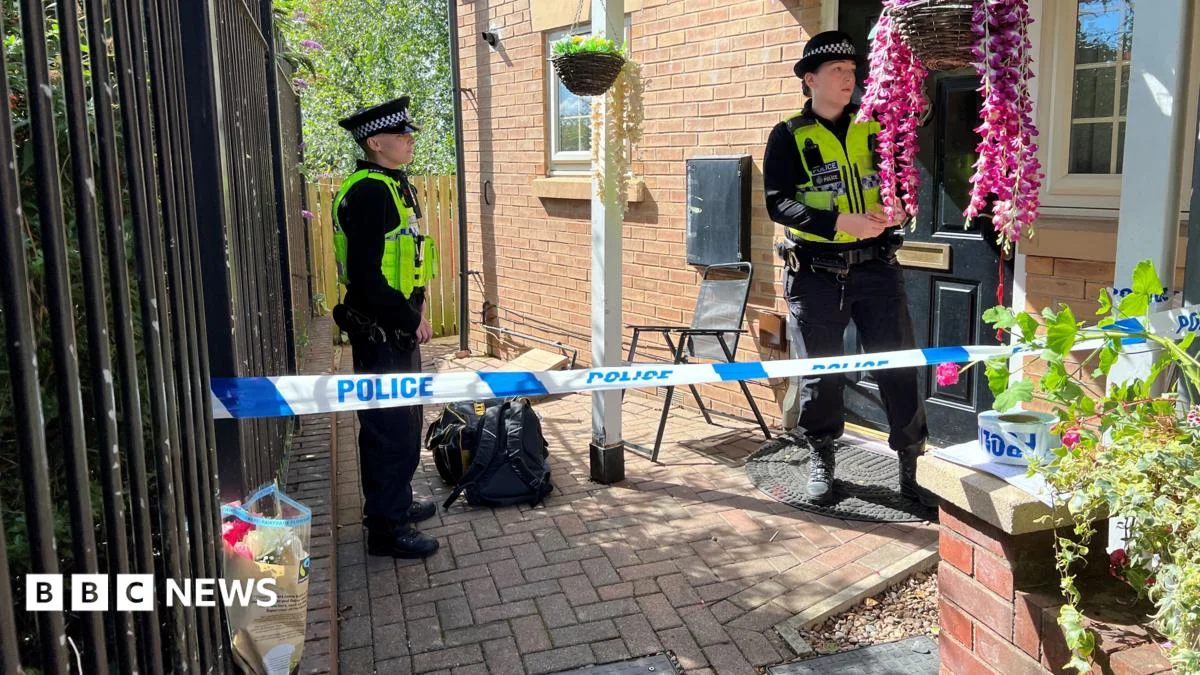
A profound and intricate legal process has been initiated in Sheffield, encompassing four adults and a juvenile, all of whom have been presented before judicial authorities in connection with the deeply distressing discovery of a deceased newborn female infant within a residential property in the Wincobank district.
The profound shock and sorrow permeating the community of Wincobank in Sheffield stem from the harrowing finding of a deceased newborn girl, an incident that prompted an immediate and extensive police investigation. The infant, identified in court documents as "Baby S," was discovered at a dwelling on Holywell Heights on a recent Sunday, following reports of serious concerns regarding her well-being. This tragic event has led to a series of charges, signaling the commencement of a complex and high-stakes judicial inquiry into the circumstances surrounding the infant’s death.
The initial police response was swift and comprehensive, involving the deployment of significant resources to the Holywell Heights address. Forensic teams established a secure perimeter, meticulously examining the scene for crucial evidence. The discovery of an infant who had sustained fatal injuries, specifically stab wounds, immediately escalated the investigation into a major incident. Such cases are inherently sensitive and challenging, requiring specialized investigative techniques and a multi-agency approach to ascertain the facts and ensure all appropriate legal procedures are followed. The gravity of the situation prompted an outpouring of grief and concern from local residents, highlighting the profound impact such a tragedy has on a community.
In the wake of the initial investigative phase, South Yorkshire Police apprehended several individuals in connection with the infant’s death. Subsequent to thorough questioning and evidence gathering, a collective of four adults and one juvenile were formally charged. The adult defendants, identified as Andrea Skopova, aged 20, formerly residing on Robey Street, Sheffield, alongside Peter Horvath, aged 19, Nina Horvathova, aged 37, and Peter Horvath, aged 38, all of whom share an address on Holywell Heights, are all citizens of Slovakia. They faced a judicial panel at Sheffield Magistrates’ Court, where they were formally presented with a series of grave accusations.
The charges laid against the adult defendants are multifaceted and severe. They encompass allegations of murder, a charge reserved for the most serious cases involving unlawful killing with intent. Furthermore, they are charged with causing or allowing the death of a child, a statutory offence designed to hold accountable individuals who fail in their duty to protect a child from harm when they should have been aware of a risk. The third charge, perverting the course of justice, specifically alleges that steps were taken to conceal the killing of an infant, indicating an intent to obstruct the legal process and evade accountability. This combination of charges underscores the serious nature of the allegations and the extensive scope of the alleged wrongdoing.
Adding another layer of complexity to the legal proceedings, a fifth individual, a 15-year-old female, who cannot be publicly identified due to legal restrictions pertaining to minors, has also been charged. Her specific accusation is perverting the course of justice, implying her alleged involvement in actions aimed at hindering the investigation or concealing evidence related to the infant’s death. The involvement of a juvenile in such a serious case raises additional considerations regarding legal representation, welfare, and the specific judicial processes applicable to young offenders.
During their initial appearance at Sheffield Magistrates’ Court, a preliminary hearing was conducted. Given the gravity of the charges, particularly that of murder, bail was not granted for the adult defendants. They were subsequently remanded into custodial detention, a standard procedure for individuals facing such severe allegations, ensuring their presence for future court dates and preventing any potential interference with the ongoing investigation. The matter was then formally transferred to Sheffield Crown Court, where more substantive proceedings are scheduled to take place, typically commencing within a few days of the Magistrates’ Court hearing. This transition reflects the hierarchical structure of the UK legal system, where serious indictable offences are heard in the Crown Court.
The UK judicial system differentiates between Magistrates’ Courts, which handle less serious criminal cases and preliminary hearings for more serious ones, and Crown Courts, which preside over trials for grave offences such as murder. The rapid progression from the Magistrates’ Court to the Crown Court in this instance underscores the extreme seriousness with which these allegations are being treated. At the Crown Court, defendants are typically expected to enter pleas, and if a ‘not guilty’ plea is entered, a trial date will be set. The legal process from charge to conviction can often be protracted, involving extensive evidence presentation, witness testimony, and expert analysis.
The death of a newborn under such tragic circumstances inevitably casts a spotlight on the broader issues of child protection and societal safeguards. Infants are among the most vulnerable members of society, entirely dependent on adults for their care and safety. The UK has a robust, albeit imperfect, framework of laws and services designed to protect children from harm, including social services, health visitors, and various support networks for new parents. When such a system tragically fails, or is circumvented, the repercussions are profound, prompting questions about how future incidents might be prevented. Cases involving alleged infanticide, while statistically rare, evoke a powerful societal response due to the inherent tragedy of a life extinguished before it had truly begun.
Investigating the death of an infant, particularly one involving allegations of physical harm and concealment, presents significant challenges for law enforcement and forensic experts. Determining the precise cause and timing of death, differentiating between accidental injury and deliberate harm, and unravelling complex interpersonal dynamics requires meticulous attention to detail. Forensic pathologists play a critical role in providing expert medical evidence, while crime scene investigators work to reconstruct events from often limited physical traces. In cases involving multiple defendants and allegations of conspiracy or perverting justice, the investigative burden increases exponentially, requiring careful correlation of witness statements, digital evidence, and forensic findings to build a comprehensive picture for the prosecution.
The emotional and psychological toll of such an incident extends beyond the immediate family and alleged perpetrators. First responders, including police officers and paramedics who attended the scene, often experience significant distress. The local community of Wincobank, a residential area, is grappling with the profound sadness and unease generated by the incident. Such events can erode a sense of safety and community cohesion, prompting residents to seek reassurance and understanding. Support services for those affected, directly or indirectly, often become crucial in the aftermath of such a tragedy.
From an expert perspective, cases involving the death of an infant under suspicious circumstances often highlight critical areas within child welfare and criminal justice. They can underscore the importance of early intervention, comprehensive parental support programs, and the vigilance of health and social care professionals. The legal framework surrounding "causing or allowing the death of a child" reflects a societal recognition of the collective responsibility to protect the young and vulnerable. Furthermore, the allegations of perverting the course of justice in this case point to an alleged attempt to obstruct the search for truth, which is a serious offence in its own right, impacting the integrity of the justice system.
Looking ahead, the judicial proceedings at Sheffield Crown Court will be pivotal. The defendants will have the opportunity to present their defence, and the prosecution will lay out its case, supported by evidence gathered during the extensive police investigation. The process will be governed by the principles of due process, the presumption of innocence, and the requirement for the prosecution to prove guilt beyond a reasonable doubt. The ultimate goal of the courts will be to ascertain the truth of what transpired and deliver justice for the deceased infant. Given the severe nature of the charges, this case is expected to command significant public and media attention as it progresses through the various stages of the legal system, potentially culminating in a trial that could span several weeks or months. The outcome will not only determine the fate of the individuals accused but also serve as a stark reminder of the profound responsibility society bears in safeguarding its most vulnerable members.




 Aura Kasih
 Ayu Aulia

 Safa Marwah