Safa Marwah
A sophisticated, multi-faceted malware operation has been meticulously engineered to compromise widely used browser extensions, leveraging them as conduits to surreptitiously pilfer digital assets, private user information, and browsing activities from unsuspecting individuals across Google Chrome and Microsoft Edge platforms. This intricate campaign, which integrated a highly modular malicious framework, exploited the trust users place in seemingly innocuous browser add-ons to achieve its illicit objectives.
The elaborate scheme, recently brought to light by cybersecurity researchers, involved the deployment of a versatile malware framework capable of executing various nefarious tasks. Investigators have identified at least nineteen distinct malicious modules, each designed with a specific purpose, highlighting a significant level of planning and adaptability by the perpetrators. This "highly extensible" architecture suggests a long-term strategy, allowing the threat actors to dynamically update their capabilities and introduce new forms of attack as needed. Early indications suggest that this clandestine operation may have been active since the beginning of 2024, silently accumulating data and assets from its victims.
A key element of the attackers’ methodology involved a cunning acquisition strategy. Rather than attempting to publish entirely new malicious extensions, which might face more stringent scrutiny, the perpetrators reportedly acquired existing, legitimate extensions from their original developers. These extensions, already boasting substantial user bases and established credibility within the Chrome Web Store and Edge Add-ons marketplace, were then weaponized through subsequent updates. This tactic allowed the malware to infiltrate user systems under the guise of routine software maintenance, bypassing initial security checks and leveraging pre-existing trust.

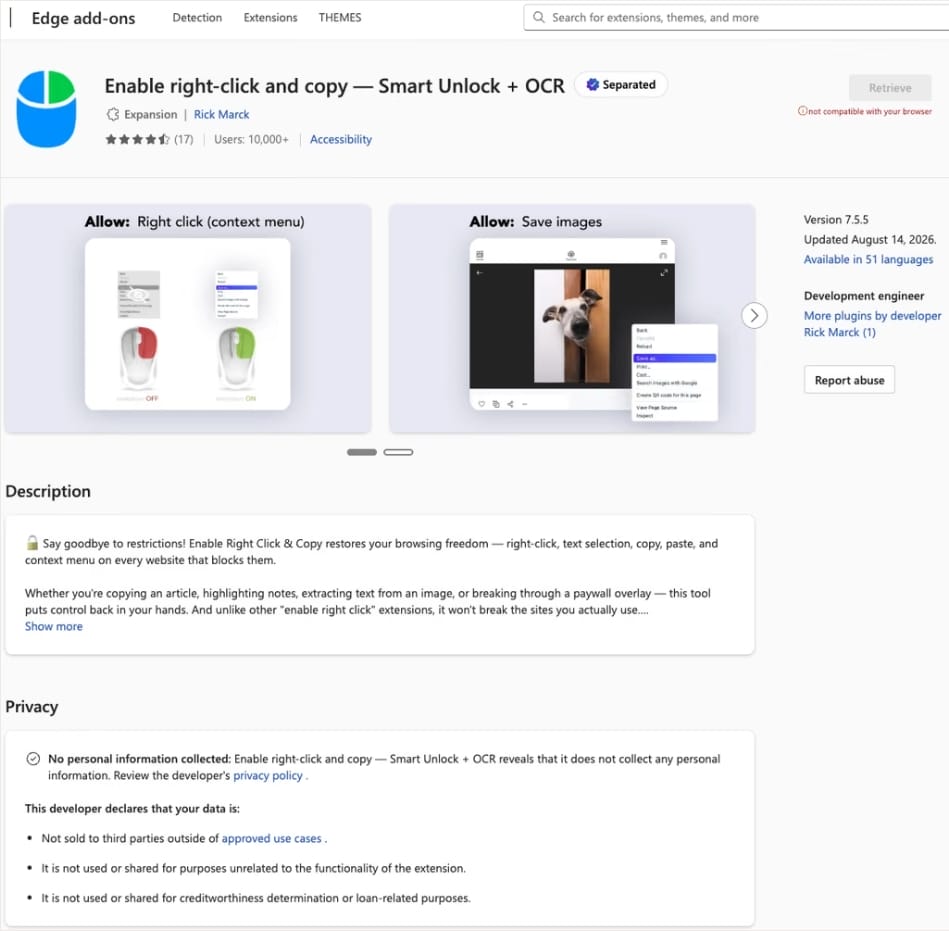
One prominent example cited by researchers was an extension designed to enable right-click and copy functionalities, which had garnered a user base exceeding 70,000 on Chrome and an additional 10,000 on Edge before it was compromised. The transition from legitimate utility to malicious instrument occurred through an automatic update, a common mechanism for software distribution that users rarely question. This method underscores a critical vulnerability in the browser extension ecosystem, where the integrity of an add-on can change hands and intent without immediate user awareness.
Upon successful installation and activation, the malware initiated a covert communication channel, establishing an encrypted WebSocket connection with its command-and-control (C2) servers. This secure link served as the lifeline for the attackers, enabling them to download additional JavaScript modules, receive instructions, and exfiltrate stolen data without easily being detected. A particularly insidious aspect of the malware’s functionality involved manipulating Content Security Policy (CSP) headers on every website visited by the user. By removing these crucial security headers, the malware effectively disabled a browser’s built-in defense mechanism against cross-site scripting (XSS) attacks, paving the way for the injection of malicious scripts into legitimate web pages via hidden HTML elements. This technique allowed the attackers to modify website content, display deceptive prompts, and capture sensitive information as users interacted with compromised sites.
The nineteen identified modules demonstrated a broad spectrum of malicious capabilities, each tailored to specific data theft or manipulation objectives. These included, but were not limited to:

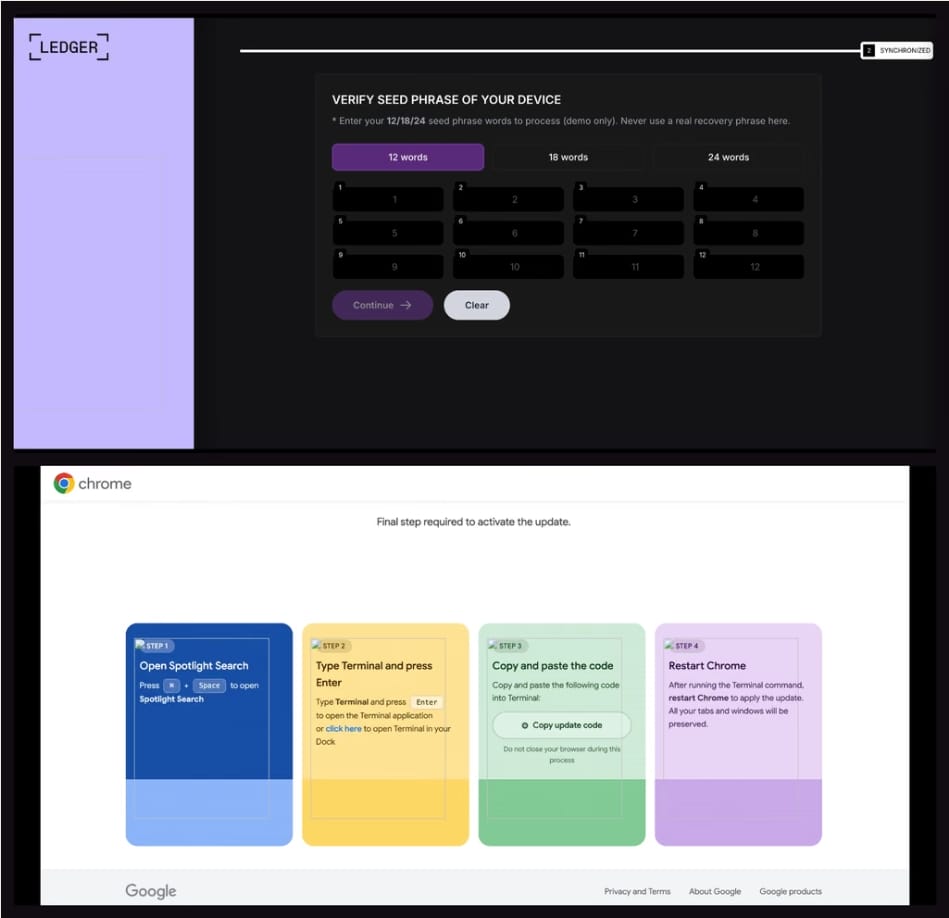
- Cryptocurrency Wallet Draining: Modules specifically engineered to detect and interact with popular cryptocurrency wallets. These modules often presented deceptive prompts or injected malicious forms to trick users into revealing their seed phrases, private keys, or directly approving unauthorized transactions, effectively draining their digital assets.
- Cookie and Session Hijacking: Components designed to steal authentication cookies and session tokens. With these, attackers could bypass login credentials and gain unauthorized access to user accounts on various online services, including banking platforms, social media, and email.
- Autofill Data Exfiltration: Modules targeting browser autofill data, which often contains sensitive information such as names, addresses, phone numbers, and payment card details. This data could then be used for identity theft or fraudulent purchases.
- Browser History and Activity Monitoring: Capabilities to collect comprehensive browsing history, search queries, and website interaction patterns. This information could be sold to data brokers, used for targeted phishing campaigns, or to build detailed profiles of victims for future attacks.
- Screenshot Capture: Some modules were observed taking screenshots of active browser windows, potentially capturing sensitive visual information that users might be viewing, such as financial statements or confidential documents.
- ClickFix Lure Injection: The malware framework possessed the ability to inject "ClickFix lures," which likely refer to deceptive advertisements, redirect links, or pop-ups designed to trick users into clicking on malicious content, downloading further malware, or navigating to phishing sites.
- Proxy Functionality: Certain modules were found to establish a proxy, allowing attackers to route their internet traffic through the victim’s compromised browser. This could be used to obscure the attackers’ true origin, bypass geo-restrictions, or conduct further malicious activities from the victim’s IP address.
- Extension Enumeration and Manipulation: Modules capable of identifying other installed extensions and potentially interfering with their functionality or even exploiting vulnerabilities in them to expand the attack surface.
The modular nature of this framework is a significant concern. Cybersecurity experts warn that the observed modules likely represent only a snapshot of the malware’s full potential. As the threat actors continue to develop and refine their tools, new and more sophisticated payloads are anticipated, capable of adapting to evolving security measures and targeting additional types of sensitive data or functionalities. This adaptability underscores the persistent and evolving nature of such cyber threats.
In response to the discovery, Google acted swiftly, removing the identified malicious extensions from the Chrome Web Store. However, at the time the initial research was published, some compromised versions of these extensions reportedly remained available on the Microsoft Edge add-ons marketplace, highlighting the continuous challenge of policing multiple digital storefronts against rapidly evolving threats. The removal from one platform does not guarantee immediate eradication across all others, leaving a window of vulnerability for users of other browsers.
This incident serves as a stark reminder of the inherent risks associated with browser extensions. While extensions offer immense utility and enhance user experience, they also represent a potent attack vector. By granting broad permissions to access browser data, modify web content, and communicate with external servers, users inadvertently expose themselves to significant risks if an extension turns malicious. The "supply chain attack" vector, where legitimate software is compromised or acquired by malicious actors, is particularly insidious as it leverages established trust and reputation.
For individuals who may have installed any of the identified compromised extensions, immediate and decisive action is imperative. It is strongly recommended to assume that all associated credentials have been compromised. This necessitates changing passwords for all online accounts, especially those linked to sensitive services like banking, email, and social media. Furthermore, cryptocurrency holders who suspect their wallets may have been exposed are advised to promptly transfer all digital assets to a newly created, secure wallet. This action helps mitigate the risk of further unauthorized transactions and safeguards remaining funds.
Beyond immediate remediation, this event underscores the broader need for enhanced cybersecurity hygiene. Users should exercise extreme caution when installing browser extensions, scrutinizing developer reputation, reading reviews, and understanding the permissions requested. Opting for extensions from well-known, reputable developers and limiting the number of installed add-ons can significantly reduce the attack surface. Regularly reviewing and revoking unnecessary extension permissions is another critical step.
From a platform perspective, browser extension marketplaces face an ongoing arms race against malicious actors. The challenges include not only initial vetting but also continuous monitoring of extensions for behavioral changes, suspicious updates, and changes in ownership. Implementing more robust automated analysis tools, fostering closer collaboration with cybersecurity researchers, and establishing faster response mechanisms for removing compromised extensions are crucial steps in bolstering the security of these vital digital ecosystems.
The future outlook suggests that sophisticated browser extension malware will continue to evolve, targeting new vulnerabilities and employing more advanced evasion techniques. The value of cryptocurrency and sensitive personal data makes browser extensions an increasingly attractive target for cybercriminals. As such, a multi-layered defense strategy, encompassing user vigilance, proactive developer security practices, and stringent platform governance, remains essential to protect the integrity of the browsing experience and the security of digital assets in an increasingly interconnected world.




 Lisa Mariana
 Aura Kasih
 Ayu Aulia