Ayu Aulia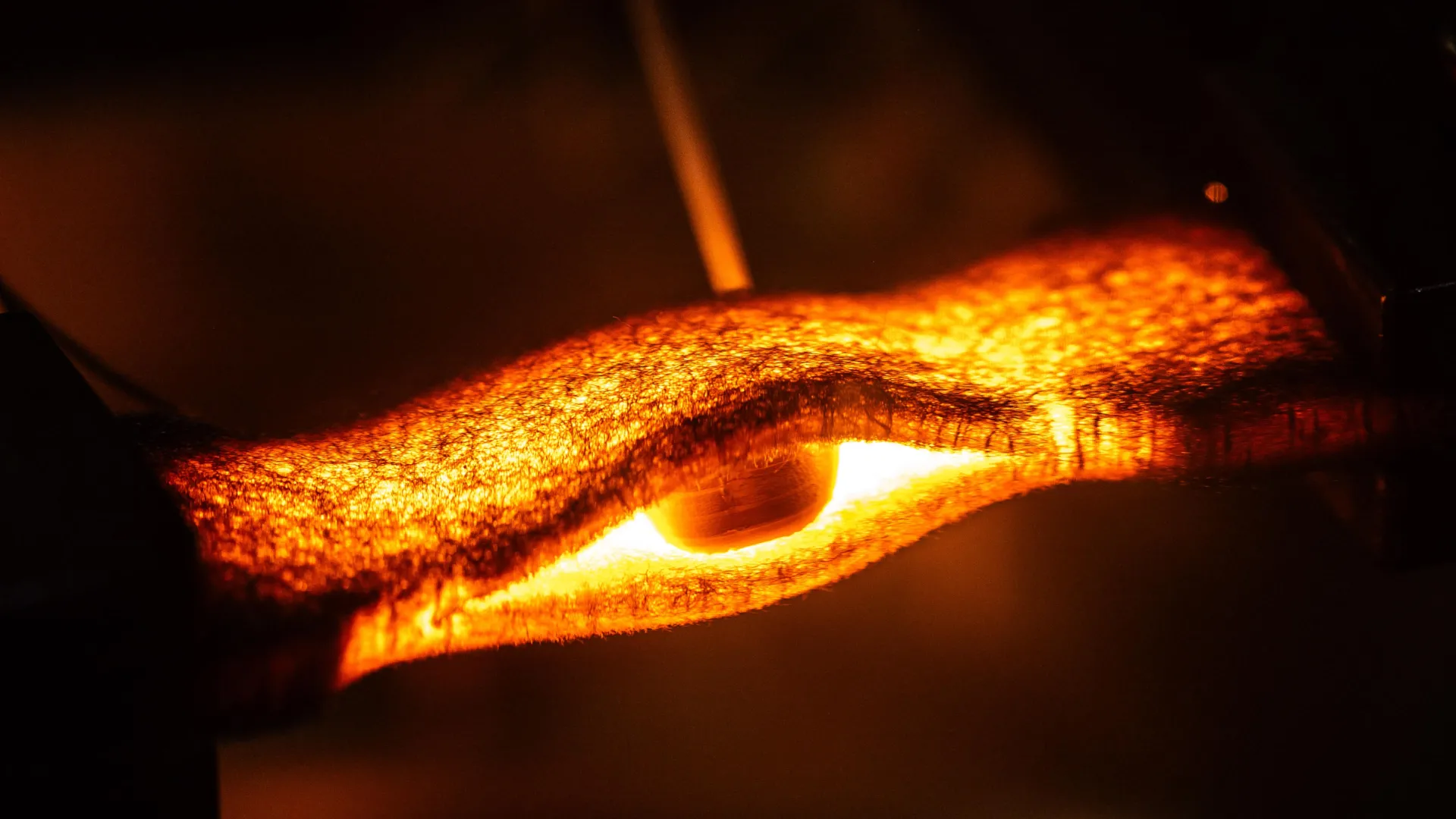
A groundbreaking technological advancement promises to redefine dental restoration procedures, enabling the rapid, on-demand fabrication of robust zirconia crowns within a single patient visit, a significant leap forward from conventional multi-day processes. Researchers have successfully engineered a novel approach that dramatically accelerates the production of permanent dental prosthetics from zirconia, a material revered for its exceptional strength and biocompatibility, thereby addressing a long-standing challenge in the field of digital dentistry. This innovation, stemming from extensive research and development, stands poised to enhance patient convenience, optimize clinical efficiency, and potentially broaden access to high-quality, durable dental solutions globally.
The landscape of restorative dentistry has continuously evolved, driven by the dual imperatives of improving patient outcomes and streamlining clinical workflows. For decades, dental crowns, which serve as protective caps for damaged teeth or as anchors for bridges, have been fabricated through a variety of methods, each presenting its own set of advantages and limitations. Traditional techniques often involve multiple appointments, temporary restorations, and considerable laboratory turnaround times, necessitating patience from both the clinician and the patient. While digital dentistry, particularly through CAD/CAM (Computer-Aided Design/Computer-Aided Manufacturing) milling, has introduced greater precision and reduced some aspects of the timeline, a truly single-visit solution for the most durable materials has remained elusive.
Zirconia, a ceramic oxide of the metal zirconium, has progressively ascended to become the preferred material for permanent dental restorations due to its unparalleled mechanical properties and aesthetic versatility. Its superior flexural strength, fracture toughness, and wear resistance surpass those of many traditional alternatives, including porcelain-fused-to-metal (PFM) and even earlier generations of all-ceramic crowns. Furthermore, zirconia’s excellent biocompatibility minimizes the risk of allergic reactions or tissue irritation, making it an ideal choice for long-term oral integration. Its ability to be milled into highly aesthetic, tooth-colored restorations further solidifies its "gold standard" status in modern restorative practice. However, the inherent density and hardness of zirconia, while beneficial for durability, have historically presented significant hurdles for rapid, chair-side fabrication, particularly through additive manufacturing processes.
Current same-day crown solutions typically rely on two primary methodologies, each with distinct compromises. Some dental practices utilize chair-side 3D printing, but these systems are generally limited to ceramic resins or composite materials. While these materials offer speed and customization, they often lack the superior strength, longevity, and resistance to fracture that characterize zirconia, making them less suitable for high-stress areas or for patients requiring maximum durability. The alternative for same-day zirconia crowns involves milling a pre-sintered zirconia block using CAD/CAM technology. While effective in producing strong restorations quickly, this subtractive manufacturing process is not without its drawbacks. Milling can restrict the complexity of designs, generate substantial material waste, and introduce micro-cracks into the material during the carving process, which can potentially compromise the long-term integrity of the restoration. Moreover, the raw material blocks are expensive, and the process requires specific, robust milling machinery.
The fundamental challenge in quickly producing high-strength zirconia restorations via 3D printing has centered on the post-printing treatment stages, specifically debinding and sintering. After a zirconia crown is 3D-printed, it is typically in a "green" state, composed of zirconia particles held together by a polymer binder. The debinding phase involves carefully removing this binder, usually through a controlled heating process. This step is critically slow in traditional methods, often requiring anywhere from 20 to 100 hours. The protracted duration is necessary to prevent the rapid volatilization of the polymer, which, if not allowed to escape slowly and uniformly, can cause internal stresses, leading to cracks, delamination, or porosity within the fragile green body. Following debinding, the crown undergoes sintering, a high-temperature firing process where the zirconia particles fuse and densify, transforming the component into its final, hard, and durable form. While sintering itself can be relatively quick with advanced furnaces, the preceding debinding bottleneck has rendered same-day 3D-printed zirconia crowns commercially impractical.
A recent breakthrough from a research team at the University of Texas at Dallas has directly confronted this critical bottleneck. This innovative method drastically condenses the debinding phase, reducing a process that once consumed days to less than 30 minutes. This acceleration is achieved through a meticulously engineered system that combines several advanced thermal and atmospheric control mechanisms. The core of the technology lies in its ability to facilitate rapid, yet controlled, heat transfer while simultaneously providing efficient pathways for the gaseous byproducts of the debinding process to escape.
The specialized apparatus incorporates improved heat transfer elements designed to quickly and uniformly elevate the temperature of the 3D-printed zirconia crown. Surrounding the restoration is a highly porous graphite felt, capable of withstanding extreme temperatures exceeding 2,550 degrees Fahrenheit. This felt serves a dual purpose: it acts as an efficient heat conductor, ensuring even temperature distribution, and critically, it provides myriad interconnected micro-channels through which the gases released during the polymer combustion can readily diffuse and escape. Complementing this, a precisely controlled vacuum system actively evacuates these gases from the surrounding environment. The synergistic combination of rapid, uniform heating, a permeable escape matrix, and active gas removal is what prevents the buildup of internal pressure and subsequent damage to the zirconia structure, thereby enabling the unprecedented acceleration of the debinding process. This integrated approach effectively mitigates the risks associated with rapid binder removal, paving the way for expedited manufacturing without compromising material integrity.
The implications of this technological leap for dental practice are profound and far-reaching. For patients, the most immediate and tangible benefit is the ability to receive a permanent, high-strength zirconia crown in a single visit. This eliminates the inconvenience of multiple appointments, the necessity of wearing temporary restorations (which can be uncomfortable, prone to dislodgement, and occasionally lead to sensitivity), and the anxiety associated with prolonged treatment timelines. The enhanced personalization afforded by 3D printing ensures a precise fit and superior aesthetic match to the patient’s existing dentition, improving both comfort and confidence. Furthermore, by consolidating the treatment into a single visit, patients save time and potentially reduce indirect costs associated with travel and missed work.
From the perspective of dental professionals, this innovation promises a significant enhancement in practice efficiency and service delivery. Dentists can offer a superior, rapid solution, distinguishing their practice in a competitive market. The ability to complete a permanent restoration within hours, rather than days or weeks, allows for increased patient throughput and optimized chair time management. This streamlined workflow reduces the logistical complexities of managing temporary restorations and follow-up appointments, leading to a more predictable and less stressful clinical environment. The reduction in material waste, inherent to additive manufacturing compared to subtractive milling, also contributes to cost efficiency and environmental sustainability within the dental office.
The development of this technology is not merely an academic exercise; it is being actively propelled towards commercialization through strategic partnerships. The research team, spearheaded by Dr. Majid Minary, a professor of mechanical engineering, is collaborating with Pan-AM Dental Laboratory, a key industry player, to transition this laboratory breakthrough into a viable commercial product. This effort has garnered substantial support, including a $550,000 award from the National Science Foundation’s Partnerships for Innovation – Technology Translation project, underscoring the potential economic and societal impact of this invention. Further collaboration with 3DCeram Sinto Inc., a company specializing in advanced ceramic additive manufacturing, and Dr. Amirali Zandinejad, an experienced prosthodontist, ensures that the technology will be refined for manufacturability, scalability, and clinical applicability. These collaborations are crucial for navigating the complex journey from laboratory prototype to widespread clinical adoption, including stringent clinical validation and regulatory approvals, such as those from the U.S. Food and Drug Administration (FDA), which are prerequisites for any new medical device.
The broader future outlook for this technology extends beyond individual crowns and bridges. The capacity for rapid, high-quality 3D printing of zirconia could revolutionize the fabrication of other custom dental prosthetics, including veneers, inlays, onlays, and even components for dental implants. As digital dentistry continues its inexorable march forward, integrating intraoral scanning, advanced design software, and sophisticated manufacturing processes, this development represents a critical piece of the puzzle. It brings the promise of truly personalized, on-demand, and highly durable dental solutions closer to reality, transforming the patient experience and elevating the standards of care in restorative dentistry.
Challenges remain, including the initial capital investment for dental practices to adopt such advanced equipment, the need for comprehensive training for clinicians and support staff, and the long-term clinical data to fully substantiate the durability and efficacy of these rapidly produced restorations. However, the foundational research, supported by entities like the U.S. Air Force Office of Scientific Research and the NSF, provides a robust scientific basis for this transformative technology. The interdisciplinary nature of the team, encompassing mechanical engineering, chemistry, and clinical prosthodontics, ensures a holistic approach to development and commercialization.
In conclusion, the advent of ultra-fast 3D printing for zirconia dental restorations represents a monumental stride in dental science and engineering. By overcoming the critical debinding bottleneck, researchers have unlocked the potential for single-visit, high-strength, and aesthetically superior crowns and other prosthetics. This innovation is poised to usher in an era of greater convenience for patients, enhanced efficiency for dental practices, and a new paradigm for personalized, advanced dental care, fundamentally reshaping the future of restorative dentistry.




 Lisa Mariana
 Aura Kasih
 Safa Marwah