Safa Marwah
In a strategic move to enhance user autonomy and data protection, Microsoft has initiated pilot programs for a sophisticated suite of privacy controls within Windows 11, empowering users to meticulously manage how desktop applications access sensitive hardware components and personal location data. This significant development marks a pivotal shift in the operating system’s approach to personal data security, transitioning from broad, system-wide permissions to a more granular, application-specific model that mirrors the robust privacy frameworks found in modern mobile operating environments. The ongoing evaluation, currently accessible to participants in the Windows Insider Experimental Preview Build 26340.9233, underscores a concerted effort to elevate transparency and user control over digital interactions.
Historically, desktop operating systems have afforded applications a relatively expansive scope of access to system resources, often operating under a "grant all or nothing" paradigm for traditional Win32 programs. This model, while functional in earlier computing eras, has become increasingly inadequate in an age defined by pervasive digital surveillance, sophisticated malware, and a heightened global awareness of data privacy. The current initiative directly addresses this historical deficit, allowing users to individually sanction or restrict access to their camera, microphone, and precise geographical location for each installed desktop application. Previously, these sensitive functionalities were typically managed through a single, overarching device setting, presenting a significant blind spot regarding specific application behaviors and potential data misuse.
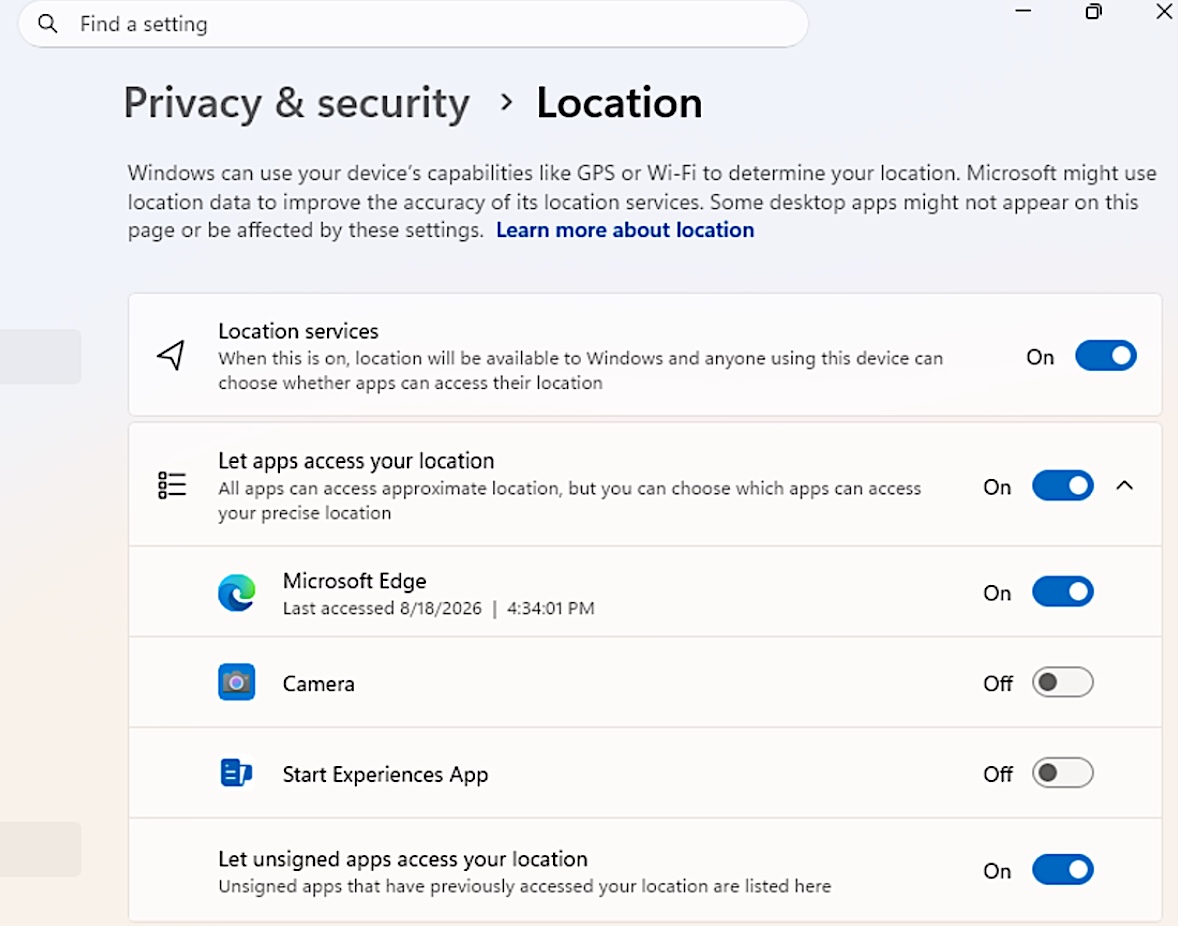
The primary objective of this architectural overhaul is multifaceted: to demystify privacy permissions, streamline the management process for end-users, and fundamentally reinforce the security posture of Windows 11. By enabling app-by-app scrutiny, Microsoft aims to provide users with unprecedented visibility into which software entities are requesting access to sensitive resources. This level of detail is crucial for informed decision-making, allowing users to align application permissions with their comfort levels and trust assessments. The new controls are integrated directly into the Windows Settings interface, specifically under the "Privacy & security" section, where dedicated sub-sections for Camera, Microphone, and Location now feature toggles for individual applications. This intuitive design aims to make permission management as straightforward as possible, even for less tech-savvy users.
The impetus for such a comprehensive change is rooted in an evolving digital threat landscape and increasing regulatory demands for data protection. In recent years, the proliferation of applications, both legitimate and malicious, that attempt to exploit broad system permissions has underscored the urgency for more stringent controls. Malware can leverage camera or microphone access for surveillance, while seemingly innocuous applications might collect precise location data without clear user consent or a compelling functional need. Global privacy regulations, such as the General Data Protection Regulation (GDPR) in Europe and the California Consumer Privacy Act (CCPA) in the United States, have also set a precedent for requiring explicit user consent and greater transparency regarding data collection and usage. Microsoft’s move aligns with these global trends, positioning Windows 11 as a more compliant and privacy-respecting platform.
Implementing granular privacy controls for legacy Win32 applications presents unique technical challenges compared to modern Universal Windows Platform (UWP) apps, which were designed with a capability-based security model from their inception. Win32 applications often have deep hooks into the operating system and were not originally built with the expectation of such restrictive sandboxing. Microsoft’s warning to users about granting access only to trusted and recognized applications, noting that some may appear under different names or as unsigned, highlights these complexities. This issue arises because some applications might rely on shared system components, browser-hosted experiences, or other indirect methods to access resources, making it difficult for Windows to definitively attribute the request to a single, verifiable publisher. This technical nuance necessitates user vigilance and underlines the ongoing challenge of retrofitting modern security paradigms onto older software architectures.

This granular control initiative is not an isolated development but rather a significant component of a broader strategic vision that Microsoft articulated earlier in the year. In February, the company publicly committed to introducing "smartphone-style app permission prompts" into Windows 11. This commitment signaled a clear intent to elevate user consent to a central tenet of the desktop operating system’s security model, mirroring the familiar and widely accepted practices on mobile platforms like iOS and Android. The rationale, as articulated by Windows Platform engineers, was driven by a recognition that applications were increasingly installing unwanted software, overriding user settings, or even subtly altering core Windows experiences without explicit prior consent. This erosion of user autonomy necessitated a fundamental re-evaluation of how applications interact with the operating system and personal data.
The overarching strategy encompasses two key initiatives: "Windows Baseline Security Mode" and "User Transparency and Consent." The former aims to establish a more secure default configuration for the operating system, reducing the attack surface and enhancing resilience against common threats. The latter, directly addressed by the granular privacy controls, focuses on empowering users with clear, actionable insights and decision-making power over how their data and device features are accessed. This phased approach to rolling out these controls allows Microsoft to gather crucial feedback from the Insider community, iterate on the design, and fine-tune the implementation to ensure both effectiveness and a positive user experience. The iterative nature of this deployment is critical for such a foundational change, ensuring stability and compatibility across the vast ecosystem of Windows applications.
From a strategic perspective, this enhancement positions Windows 11 as a more competitive and trustworthy operating system in a market increasingly sensitive to data privacy. By aligning its desktop platform with the privacy expectations established by mobile operating systems, Microsoft aims to strengthen user confidence and foster a healthier software ecosystem. Developers of Win32 applications will eventually need to adapt to this new paradigm, potentially requiring them to be more explicit about their resource requirements and to justify these needs to end-users. This could lead to a broader industry shift towards more privacy-conscious application design and development practices on the Windows platform. The long-term vision likely includes extending granular controls to other sensitive resources, such as access to files and folders, contacts, calendar data, and potentially even specific network permissions, thereby creating a comprehensive security envelope around the user’s digital life.
Beyond the immediate privacy enhancements, Microsoft is concurrently exploring other improvements to the Windows 11 user experience. A notable accessibility feature also under test automatically maximizes application windows upon opening for users operating in tablet mode, those utilizing screen readers or magnification tools, or individuals who simply prefer a full-screen workspace. This parallel development highlights a broader commitment to refining the operating system not only from a security standpoint but also in terms of usability and inclusivity, catering to a diverse range of user preferences and needs.
In conclusion, the introduction of granular privacy controls for desktop applications in Windows 11 represents a significant and necessary evolution in operating system design. It signifies Microsoft’s dedication to meeting contemporary user expectations for data privacy, addressing the complexities of the modern threat landscape, and aligning with global regulatory trends. By empowering users with fine-grained control over sensitive hardware and location data, Windows 11 is poised to offer a more transparent, secure, and user-centric computing experience. This strategic pivot is expected to set a new baseline for desktop privacy, reinforcing trust in the Windows ecosystem and shaping the future of application interaction.



 Aura Kasih
 Lisa Mariana