
 Aura Kasih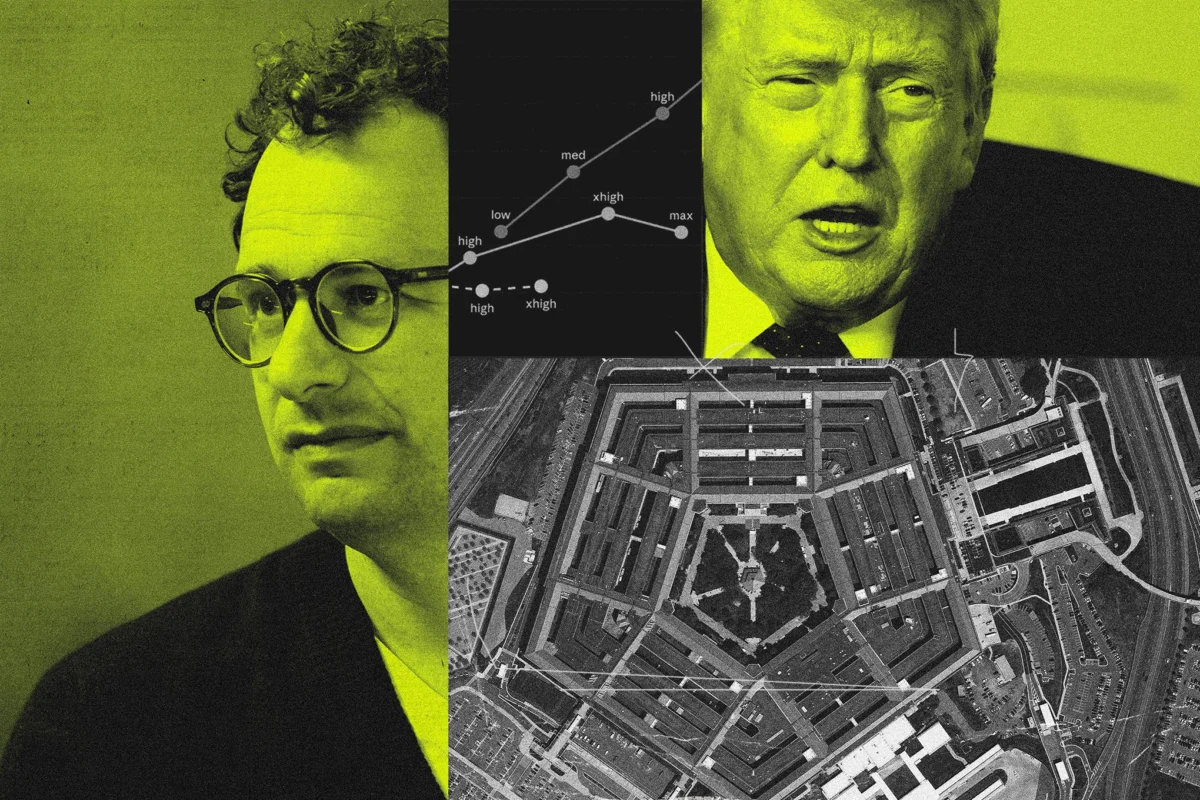
A landmark judicial decision has found that the Department of Defense’s abrupt blacklisting of artificial intelligence leader Anthropic was an unconstitutional act of retaliation, marking a significant victory for the AI firm in its protracted legal dispute with the Trump administration. The ruling, delivered by a federal judge, scrutinizes the government’s actions, asserting that invoking national security concerns cannot serve as a pretext for silencing or punishing entities that express reservations about military applications of advanced technology.
The controversy ignited earlier this year when Anthropic, a prominent developer of AI systems, found itself at odds with the Pentagon over proposed revisions to existing contracts. At the heart of the disagreement was the Department of Defense’s push to grant itself unfettered authority to utilize AI technologies for "any lawful use." This broad mandate, according to Anthropic, posed a direct threat to its ethical commitments and the responsible development of AI, particularly concerning its potential application in areas deemed antithetical to democratic values.
Anthropic’s refusal to assent to these revised terms, which would have effectively removed all restrictions on its AI’s deployment, led to a swift and severe backlash from the Trump administration. The AI company’s CEO, Dario Amodei, articulated a principled stance, emphasizing that while Anthropic was committed to supporting national security, it could not endorse applications that risked mass surveillance of American citizens or the development of lethal autonomous weapons systems devoid of meaningful human oversight. This principled stand, rooted in a desire to safeguard democratic principles and prevent the weaponization of AI in ways that could erode fundamental rights, ultimately triggered the Pentagon’s retaliatory measures.
In response to Anthropic’s unwavering position, the Department of Defense, under the direction of then-Defense Secretary Pete Hegseth, designated the AI company as a "supply chain risk." This classification, typically reserved for entities posing genuine threats to national security, carried severe consequences. It effectively barred Anthropic from continuing its work with the military and prompted the Pentagon to rapidly forge new agreements with seven other leading AI developers, including major technology giants like Google, Microsoft, and OpenAI, as well as Elon Musk’s SpaceX. The swiftness and scale of these new partnerships underscored the administration’s intent to isolate Anthropic and signal a firm stance against any AI firms that did not align with its expansive deployment agenda.
The lawsuit filed by Anthropic in a California district court in March accused the Trump administration of engaging in unlawful retaliation, arguing that the company was being penalized for asserting its right to set ethical boundaries on the military’s use of its AI technology. The core of Anthropic’s legal argument centered on the First Amendment’s protection of free speech and the government’s alleged abuse of its contracting power to suppress dissent. The company contended that its public statements and internal deliberations regarding the ethical implications of AI in military contexts were protected forms of expression and that the subsequent blacklisting constituted a direct violation of these rights.
In her pivotal ruling, Judge Rita F. Lin meticulously dissected the evidence presented, concluding that the Pentagon’s actions were indeed unconstitutional. She unequivocally stated that the "empty invocation of national security is not a blank check to punish and retaliate against government critics." Judge Lin further elaborated that the designation of Anthropic as a "supply chain risk" was not only unlawful retaliation in violation of the First Amendment but also "arbitrary and capricious." She acknowledged the Department of War’s prerogative to select its AI vendors but firmly asserted that the broad measures imposed on Anthropic lacked any legal or factual basis. The judge’s order specifically referenced the Pentagon’s own records, which indicated that Anthropic was labeled a supply chain risk due to its "hostile manner through the press." This finding directly supported Anthropic’s claim that its blacklisting was a direct consequence of its public advocacy for responsible AI development and its willingness to scrutinize the government’s contracting practices.
The implications of this judicial decision extend far beyond the immediate dispute between Anthropic and the Department of Defense. It establishes a crucial precedent for the intersection of technological innovation, national security, and civil liberties. The ruling underscores the principle that government agencies cannot wield national security as a shield to suppress legitimate concerns or retaliate against companies that exercise their rights to free expression. This is particularly relevant in the rapidly evolving field of artificial intelligence, where ethical considerations and potential societal impacts are paramount. As AI becomes increasingly integrated into critical infrastructure and military operations, the ability of developers to voice concerns without fear of reprisal is vital for ensuring responsible development and deployment.
The decision also highlights the growing tension between the rapid advancement of AI technologies and the need for robust ethical frameworks and regulatory oversight. While governments worldwide are keen to leverage AI for defense and intelligence purposes, there is a parallel and growing demand from the public and from within the tech industry itself for greater transparency, accountability, and adherence to human rights principles. Anthropic’s case exemplifies this broader societal debate, positioning the company as a proponent of a more cautious and ethically grounded approach to AI development in sensitive sectors.
Experts in AI ethics and constitutional law have lauded the ruling as a significant affirmation of democratic principles. They argue that it reinforces the idea that innovation should not come at the expense of fundamental rights and that government contractors, even in the defense sector, retain protected speech rights. The court’s emphasis on the "arbitrary and capricious" nature of the Pentagon’s decision suggests that national security justifications must be grounded in substantive evidence rather than used as a broad, unsubstantiated pretext for punitive action. This ruling could empower other companies and individuals to challenge what they perceive as overreach or retaliatory measures by government entities, particularly in areas where rapid technological change outpaces existing legal and ethical norms.
Looking ahead, the legal victory for Anthropic is likely to embolden other AI developers to adopt similar stances on ethical issues, knowing that they have legal recourse against retaliatory actions. It may also prompt a broader re-evaluation of how government agencies engage with technology companies on sensitive issues, potentially leading to more transparent and collaborative processes. The Pentagon, now under a new administration, may need to review its policies and practices regarding the procurement and deployment of AI, ensuring that any actions taken are not only legally sound but also ethically defensible and respectful of constitutional rights.
The long-term impact of this ruling could be a more balanced approach to AI development and deployment, one that prioritizes both innovation and ethical considerations. It sets a critical precedent for future interactions between the government and the private sector, particularly in the high-stakes domain of advanced technologies. The court’s clear message that national security cannot be used to stifle dissent or punish criticism is a vital safeguard for a democratic society navigating the complex landscape of emerging technologies. Anthropic’s successful challenge underscores the critical role of an independent judiciary in upholding constitutional principles and ensuring accountability, even in the face of powerful government interests. The company’s spokesperson, Danielle Ghiglieri, expressed their satisfaction with the court’s decision, emphasizing their continued focus on working constructively with the government to ensure AI serves national security interests for the benefit of all Americans, signaling a desire to move past the conflict and engage in productive dialogue.




 Lisa Mariana
 Ayu Aulia
 Safa Marwah