Aura Kasih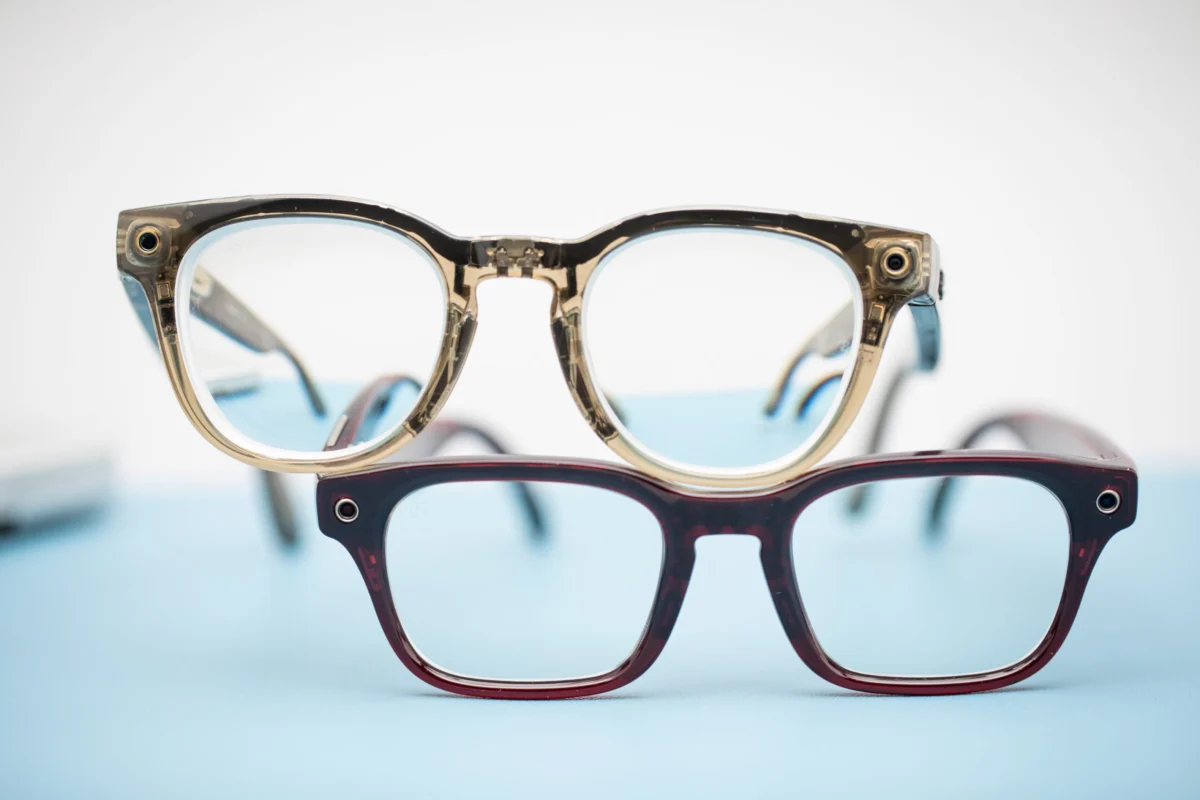
In response to persistent privacy concerns and a growing public perception of its AI-powered smart glasses as "pervert glasses," Meta has implemented a significant privacy enhancement and launched a comprehensive marketing campaign. The latest software update to the Ray-Ban Stories smart glasses now ensures that the device’s camera ceases operation immediately if the front-facing LED indicator light is obstructed during a recording session, effectively closing a loophole that allowed for surreptitious surveillance. This move signals Meta’s intent to address the reputational damage and to proactively manage the ethical implications of wearable camera technology.
The history of Meta’s smart glasses has been fraught with privacy challenges, stemming from their core functionality: the ability to capture photos and videos discreetly. While the glasses are equipped with an outward-facing LED light that illuminates when the camera is active, a significant flaw emerged. Users discovered that they could initiate a recording and then deliberately cover the LED, thereby disabling the visual alert for those around them. This oversight created a fertile ground for potential misuse, fueling anxieties about unauthorized surveillance and the erosion of personal privacy in public and private spaces. The recent update, announced by Alex Himel, Meta’s Vice President of Augmented Reality, on the social platform Threads, directly tackles this vulnerability. "The camera will now stop working if the light is covered during a recording," Himel stated, emphasizing a commitment to reinforcing the transparency of the device’s operation. This development follows a prior update, implemented just over a month ago, which disabled the camera if the capture light was tampered with physically. These iterative adjustments underscore Meta’s ongoing effort to refine the privacy features of its smart glasses, acknowledging the critical importance of user trust and public acceptance for the widespread adoption of such technology.

The "pervert glasses" moniker, though unflattering, reflects a genuine societal apprehension regarding the potential for misuse of wearable cameras. Numerous reports and anecdotal evidence have highlighted instances where individuals have allegedly used similar devices to record others without consent, capture sensitive personal moments, or engage in what has been described as "prank" filming targeting unsuspecting bystanders. These incidents have not only fueled public distrust but have also contributed to a broader discourse on the ethical boundaries of pervasive recording technologies. The addition of rumored facial recognition capabilities further amplified these concerns, prompting a global campaign against Meta’s smart glasses, driven by privacy advocates and concerned citizens alike. The company’s decision to introduce a public awareness campaign, featuring billboards and video content, is a strategic pivot aimed at reframing the narrative and educating consumers about the intended use and built-in safeguards of the technology.
Meta’s new marketing initiative, spearheaded by Albert Aydin, a company spokesperson, focuses on key communities where sales of the smart glasses have shown particular traction. The campaign’s central message, exemplified by a prominent billboard in Los Angeles, is designed to be clear and unambiguous: "The camera lets you capture the moment. The light lets everyone around you know when you do." This slogan directly addresses the core privacy concern by highlighting the LED as an essential element of responsible usage. Accompanying video content further reinforces this message, explicitly stating that the capture LED "signals when the glasses are capturing photos and videos" and that "no light" signifies "no capture." This educational push aims to foster a culture of awareness and responsible engagement with the technology, positioning the LED not merely as a notification but as an integral component of user accountability and public consideration.
The evolution of smart glasses represents a significant frontier in the integration of artificial intelligence and augmented reality into daily life. Meta’s Ray-Ban Stories, co-developed with EssilorLuxottica, are designed to blend fashion with functionality, offering users the convenience of capturing photos and videos hands-free, listening to music, and making calls through integrated speakers and microphones. However, the very nature of a camera embedded in eyewear raises profound questions about privacy, consent, and the potential for constant surveillance. The initial rollout and subsequent user behavior have highlighted a critical gap between the technology’s capabilities and the public’s understanding and acceptance of its implications. The company’s current strategy, therefore, appears to be a dual-pronged approach: tightening technical safeguards to prevent misuse and investing in public education to cultivate responsible adoption.

The technical solution of disabling the camera when the LED is covered is a crucial step, but its long-term effectiveness will depend on the robustness of the software implementation and Meta’s continued vigilance in addressing emerging vulnerabilities. The "tiny minority" of users who attempt to circumvent these protections, as noted by Himel, represent a persistent challenge. Their actions, however isolated, can have a disproportionate impact on public perception and underscore the ongoing need for proactive security measures. Beyond the immediate technical fix, Meta’s marketing campaign attempts to shift the focus from potential misuse to the intended benefits and transparent operation of the device. By emphasizing the LED as a clear signal of capture, the company aims to build a social contract around the use of smart glasses, encouraging wearers to be mindful of their surroundings and the privacy of others.
The broader implications of this development extend beyond Meta’s specific product. As wearable technology becomes increasingly sophisticated and integrated into our lives, the ethical considerations surrounding data collection, privacy, and consent will only grow more complex. The public’s reaction to Meta’s smart glasses serves as a critical case study for the entire tech industry. It underscores the necessity for companies to prioritize privacy by design, engage in transparent communication with consumers, and proactively address potential societal impacts. The success of smart glasses, and indeed many future augmented reality devices, will hinge not only on their technological prowess but also on their ability to earn and maintain public trust.
Looking ahead, Meta’s journey with its smart glasses is likely to remain a closely watched narrative. The company’s commitment to iterative improvements in privacy features, coupled with its substantial investment in public awareness, suggests a strategic effort to navigate the complex ethical landscape. However, the inherent duality of a camera-worn device will continue to present challenges. The company must remain adaptable, responsive to public feedback, and steadfast in its dedication to ensuring that its innovations enhance rather than diminish individual privacy and societal well-being. The current privacy fix and marketing campaign represent a significant step in this ongoing evolution, aiming to recalibrate the public’s perception and pave the way for a more responsible integration of smart glasses into the fabric of everyday life. The ultimate success of this endeavor will be measured by Meta’s ability to foster a genuine sense of security and respect for privacy among both users and those who share their public spaces with them.




 Lisa Mariana
 Safa Marwah
 Ayu Aulia