Ayu Aulia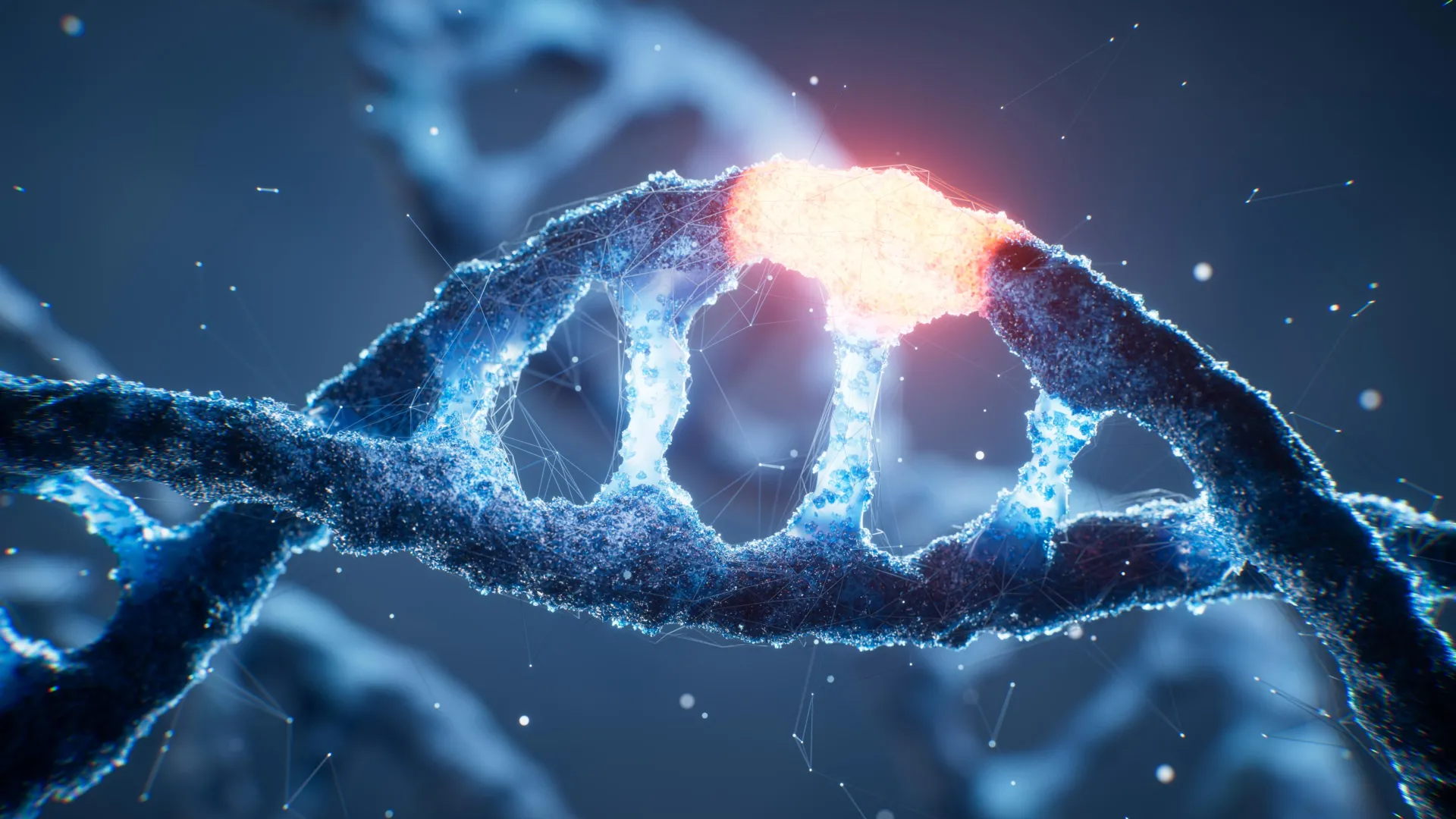
A groundbreaking convergence of advanced laboratory techniques and artificial intelligence has illuminated a previously enigmatic genetic "on switch," offering unprecedented insight into the intricate regulatory networks governing human cellular function and development. This significant scientific advancement promises to reshape our understanding of genetic control, with profound implications for diagnosing and treating a spectrum of diseases rooted in gene expression dysregulation.
The fundamental processes of life are orchestrated by an exquisitely precise ballet of gene activity. Within the nucleus of every human cell, tens of thousands of genes contain the instructions for building and maintaining the organism. However, these instructions are not constantly active; they are meticulously regulated, switched on or off with precise timing and spatial specificity. This intricate control ensures that a liver cell performs its functions while a neuron executes entirely different tasks, despite both containing the identical genetic blueprint. When this delicate balance is disrupted, when genes are activated at the wrong time, in the wrong place, or to an incorrect extent, the consequences can be severe, contributing to a myriad of pathological conditions, including developmental abnormalities, neurodegenerative disorders, autoimmune diseases, and various forms of cancer.
Central to this regulatory precision are specific DNA sequences that act as control elements. These regions do not code for proteins themselves but instead serve as binding sites for regulatory molecules, guiding the cellular machinery responsible for transcription—the initial step in gene expression where genetic information is copied from DNA into messenger RNA. This messenger RNA then carries the code for producing enzymes, hormones, structural proteins, and other vital molecules that enable cells to function properly. Deciphering the exact nature and function of these regulatory sequences has long been a paramount challenge in molecular biology, akin to understanding the syntax and grammar of the genome’s operating system.
Among these crucial regulatory elements, a specific DNA sequence known as the "initiator" has long captivated researchers. The initiator element holds a critical position, marking the precise starting point for the transcription of a gene. It is the molecular beacon that signals where the information encoded within a gene begins its journey from inert DNA sequence to a functional biological product. Despite its pivotal role, the precise characteristic DNA pattern of the human initiator had remained elusive, presenting a formidable obstacle to a complete understanding of gene regulation. Traditional methods, often reliant on laborious biochemical assays and limited combinatorial analysis, struggled to fully deconstruct the subtle nuances of its sequence signature and its functional implications across the vast complexity of the human genome.
The recent breakthrough emerged from a concerted effort by researchers, who strategically combined high-throughput experimental methodologies with sophisticated machine learning algorithms. Their approach transcended the limitations of previous studies by generating an unprecedented volume of empirical data. The team meticulously engineered approximately 500,000 distinct versions of the initiator sequence. Each variant was then subjected to rigorous high-throughput DNA sequencing, a technology that allows for the rapid and simultaneous analysis of millions of DNA fragments. This process enabled the precise measurement of gene expression activity associated with each specific initiator variant, creating an expansive dataset that mapped sequence variations to functional output.
This colossal dataset, far too complex for conventional human analysis, became the training ground for an artificial intelligence system. Machine learning, a subset of AI, excels at identifying intricate patterns and relationships within vast datasets that might be imperceptible to human observation. In this context, the AI model was presented with pairs of information: the specific DNA sequence of an initiator variant and its corresponding measured gene expression activity. Through iterative learning, the AI system progressively refined its internal model, gradually "decoding" the characteristic DNA pattern—the molecular signature—that defines a functional initiator. This process is analogous to teaching a computer to recognize a specific handwriting style by showing it countless examples, eventually enabling it to identify that style in new, unseen samples. The AI’s success lay in its ability to discern the subtle, yet critical, sequence motifs and spatial arrangements within the DNA that dictate the initiator’s activity.
Once the AI model had robustly decoded this signature, its capabilities were deployed to survey the entirety of the human genome. The results were striking: the AI identified the presence of this newly characterized initiator sequence in approximately 60% of all human genes. This high prevalence underscores the fundamental and widespread importance of the initiator as a core component of the gene expression machinery, affirming its role as a ubiquitous "on switch" for a significant majority of our genetic instructions. The precision and predictive power of these AI models represent a significant leap forward, providing, for the first time, a reliable means to identify the presence or absence of the initiator in human genes and, crucially, to understand its underlying DNA base sequence pattern.
The immediate implications of this discovery are multifaceted and extend across various domains of biological and medical research. One profound consequence relates to our ability to anticipate the effects of DNA mutations. The human genome is replete with single nucleotide polymorphisms (SNPs) and other variations, some of which can alter gene activity and contribute to disease. By understanding the precise sequence requirements of the initiator, researchers can now predict how specific mutations within or near this element might impair its function, leading to aberrant gene activation or silencing. This predictive capacity could revolutionize diagnostic approaches, enabling earlier identification of individuals at risk for conditions linked to initiator dysfunction and providing a clearer molecular understanding of disease pathogenesis. For instance, mutations in an initiator regulating a critical cell cycle gene could be directly linked to cancer predisposition, offering a novel diagnostic marker.
Beyond diagnostics, this foundational knowledge opens new avenues for therapeutic intervention. The study’s comprehensive data and the robust AI models now serve as invaluable resources for the burgeoning field of synthetic biology. Researchers can leverage this information to design and engineer "synthetic promoters"—customized DNA sequences that can precisely switch genes on or off with tailored functions. Imagine the potential for gene therapies that require exquisitely controlled gene activation in specific cell types or at particular developmental stages. By precisely modulating initiator elements within synthetic promoters, it becomes feasible to develop highly targeted genetic interventions for conditions ranging from inherited genetic disorders to chronic diseases. For example, a synthetic promoter could be engineered to activate a therapeutic gene exclusively in cancerous cells, minimizing off-target effects and enhancing treatment efficacy.
More broadly, this research exemplifies a powerful paradigm shift in scientific discovery: the symbiotic integration of rigorous laboratory experimentation with advanced artificial intelligence. The sheer volume and complexity of biological data generated by modern high-throughput techniques necessitate sophisticated computational tools to extract meaningful insights. This study demonstrates how the hypothesis-driven experimental design of traditional biology can be amplified by the pattern-recognition capabilities of AI, leading to discoveries that would be intractable through either approach alone.
The vision extends far beyond the initiator element. The human genome, a vast repository of six billion DNA bases in each cell, harbors an intricate "gene expression code." This code dictates the precise spatiotemporal and quantitative control of every gene, specifying when, where, and to what extent each gene should be activated or silenced. The decipherment of the initiator is a critical, albeit small, step towards cracking this entire code. The ultimate ambition is to develop comprehensive AI models capable of predicting the activity of every gene variant across different individuals and diverse cellular contexts. Such a complete AI model would represent an unprecedented leap in our understanding of human biology, enabling predictions about individual predispositions to disease, responses to environmental factors, and even the efficacy of pharmaceutical interventions with unparalleled accuracy.
While the complete decipherment of the gene expression code remains a monumental undertaking, fraught with challenges related to epigenetic modifications, chromatin architecture, and non-coding RNA regulation, the success with the initiator element provides a robust framework and immense optimism. It underscores the potential for iterative progress, where each decoded element contributes to a progressively more comprehensive understanding of the genome’s regulatory logic. The continued expansion of AI models for various components of the human gene expression code is not merely a distant aspiration but an increasingly tangible objective that promises to unlock profound insights into health, disease, and the very essence of human life. This convergence of biological inquiry and computational power is poised to redefine the landscape of genomic research for decades to come, bringing us closer to a future where the secrets held within our DNA are fully revealed and harnessed for human benefit.




 Lisa Mariana
 Aura Kasih
 Safa Marwah