Ayu Aulia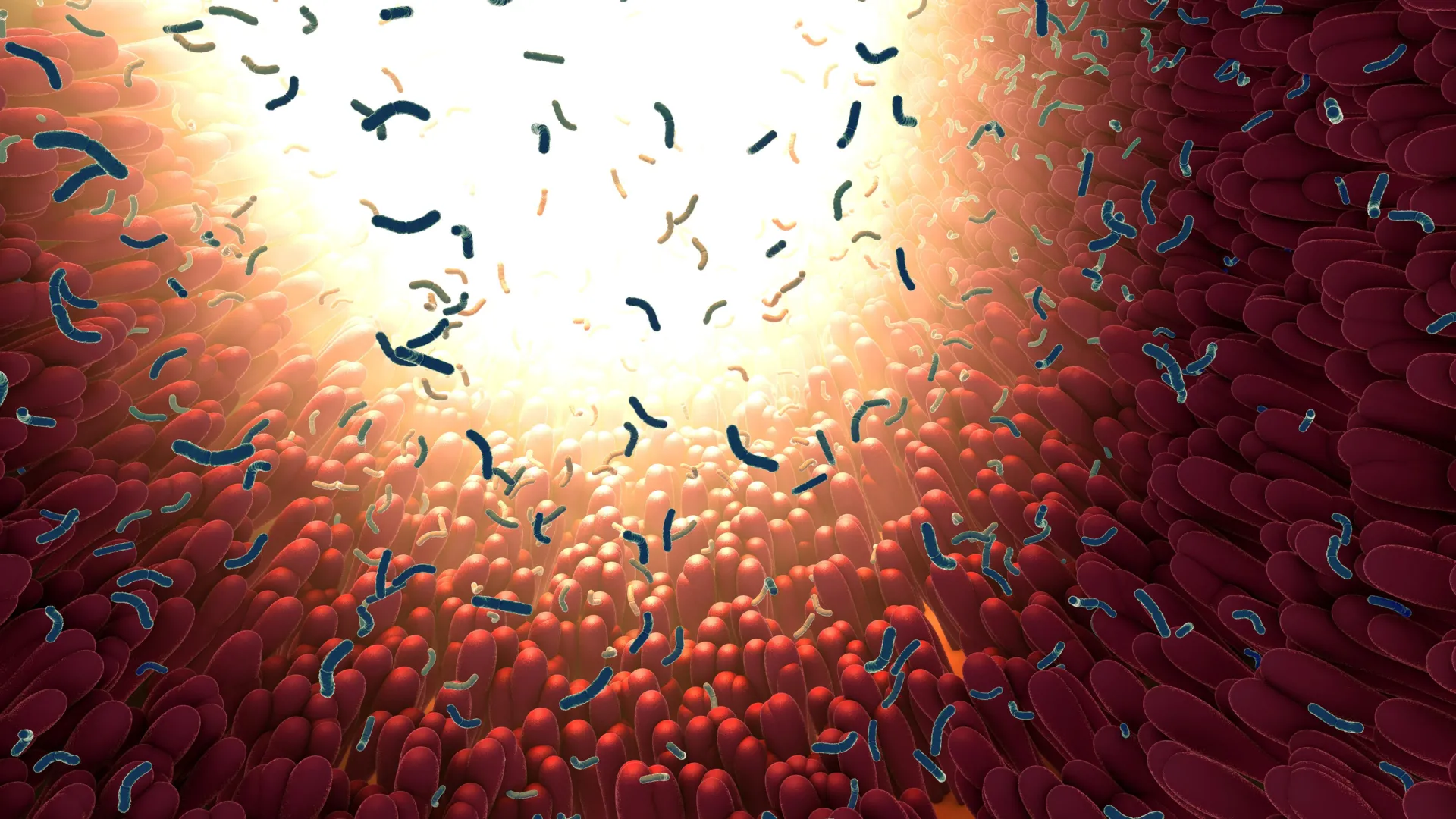
Groundbreaking laboratory research from the University of Cambridge indicates that widely consumed artificial and low-calorie sweeteners are not inert substances within the digestive system but can directly influence the growth dynamics of beneficial gut bacteria, particularly when co-administered with common pharmaceuticals. This revelation challenges long-held assumptions about the biological neutrality of these ubiquitous food additives and underscores the intricate interplay between diet, medication, and the human microbiome.
The intricate ecosystem residing within the human gut, collectively known as the gut microbiome, plays a pivotal role in maintaining overall health. Comprising trillions of bacteria, viruses, fungi, and other microorganisms, this microbial community is instrumental in processes ranging from nutrient absorption and vitamin synthesis to immune system development and even neurobehavioral regulation. A balanced and diverse microbiome is frequently associated with robust health, while imbalances, or dysbiosis, have been linked to a spectrum of chronic conditions, including inflammatory bowel disease, metabolic disorders, and certain autoimmune diseases. Consequently, any factor capable of significantly altering this delicate microbial equilibrium warrants rigorous scientific scrutiny.
Sweeteners, often marketed as healthier alternatives to sugar, have permeated nearly every segment of the modern diet. From diet sodas and processed snacks to breakfast cereals and even some medications designed to mask bitter tastes, these compounds offer a sweet flavor profile without the caloric load of traditional sugars. For decades, the prevailing scientific and regulatory view largely held that many artificial sweeteners passed through the digestive system largely unabsorbed and biologically inactive, thus having minimal impact on human physiology. However, a growing body of evidence, derived from epidemiological studies and animal models, has begun to challenge this paradigm, suggesting potential associations between sweetener consumption and adverse health outcomes such as type 2 diabetes, obesity, and even certain cancers. While these studies have highlighted correlations, the precise biological mechanisms underlying these potential links have remained largely elusive, prompting scientists to investigate direct interactions at the cellular and microbial level.
One prominent hypothesis for how sweeteners might exert their effects centers on their interaction with the gut microbiome. Given the microbiome’s profound influence on host metabolism and immunity, alterations in its composition or function could plausibly mediate some of the observed health associations. Despite the widespread use of sweeteners and the increasing appreciation for the microbiome’s significance, detailed investigations into how individual sweeteners directly impact specific gut bacterial species have been surprisingly limited. Most previous research has relied on broad population studies or animal models, which, while valuable, often struggle to isolate direct microbial effects from complex physiological responses and confounding dietary factors.
To address this knowledge gap, a team of researchers embarked on a comprehensive laboratory investigation, meticulously examining the direct effects of a broad array of sweeteners on individual bacterial strains. Their methodology involved cultivating 25 distinct bacterial species in controlled laboratory environments. This selection was strategically chosen to represent a cross-section of the human gut microbiome, encompassing species recognized for their beneficial roles, those considered neutral, and some with potentially detrimental implications for health. Each isolated bacterial culture was then systematically exposed to 39 commercially relevant sweeteners, spanning both natural and artificial varieties. The primary metric for evaluation was the rate of bacterial multiplication, allowing scientists to discern whether a particular sweetener accelerated, slowed, or completely inhibited the growth of any given species.
The findings from this initial screening phase were striking and immediately challenged the notion of sweeteners as inert compounds. Approximately three-quarters of the tested sweeteners demonstrated a measurable effect on the growth dynamics of at least one bacterial species. More significantly, several of these sweeteners were found to reduce or even completely halt the proliferation of bacteria commonly associated with a healthy digestive system. These observations provided compelling direct evidence that sweeteners are not merely passive passengers through the gastrointestinal tract but actively engage with the microbial inhabitants, indicating a more complex biological role than previously assumed.
The human diet, however, is rarely characterized by the consumption of isolated compounds. Sweeteners are typically ingested as part of complex matrices, alongside a myriad of other substances present in foods, beverages, and medications. Recognizing this real-world complexity, the research team extended their investigation to explore how the effects of sweeteners might change when co-administered with other commonly encountered compounds. They systematically paired the 39 sweeteners with substances such as caffeine, vanillin (a common flavoring agent derived from vanilla extract), advantame (another artificial sweetener), and, crucially, eight widely used pharmaceutical drugs.
This combinatorial approach yielded even more profound insights, revealing a landscape of unexpected interactions. The scientists identified over 100 instances where the presence of a second compound significantly altered a sweetener’s effect on bacterial growth. In 34 cases, the combined effect was markedly stronger than either compound alone, suggesting synergistic or additive interactions. Conversely, in 68 cases, the combined effect was weaker, indicating potential antagonistic or masking interactions. This intricate web of interactions underscored a critical point: the biological impact of a specific sweetener cannot be accurately assessed in isolation, as its effects are highly contingent upon the other substances consumed concurrently.
Among the myriad combinations tested, one interaction emerged with particularly dramatic implications: the co-administration of isosteviol, a sweetener derived from the stevia plant, with duloxetine, a widely prescribed antidepressant. When combined, these two compounds exerted a powerful suppressive effect on the growth of two key bacterial species: Roseburia intestinalis and Parabacteroides merdae. Both species are considered vital components of a healthy gut microbiome. Roseburia intestinalis, for instance, is a prominent butyrate-producing bacterium, and butyrate is a short-chain fatty acid crucial for maintaining gut barrier integrity, modulating immune responses, and serving as a primary energy source for colonocytes. Parabacteroides merdae, while less understood than Roseburia, has also been implicated in metabolic regulation and digestive health. The significant suppression of these beneficial microbes by a common sweetener-antidepressant pairing raises serious questions, especially given the widespread use of duloxetine, with millions of prescriptions filled annually in the United States alone for conditions ranging from depression and anxiety to chronic pain.
While studying individual bacterial species offers clarity on direct interactions, the human gut operates as a dynamic, highly interactive ecosystem. To better approximate these complex conditions, the researchers constructed a simplified, synthetic microbial community comprising all 25 bacterial species initially studied. This allowed them to observe how the interactions between sweeteners and drugs might influence the overall structure and function of a mini-ecosystem. After allowing this community to stabilize, they exposed it to various combinations of sweeteners and drugs, carefully tracking shifts in species abundance and overall microbial diversity.
The results from this community-level analysis corroborated and extended the single-species findings. Specifically, the combination of isosteviol and duloxetine was found to significantly reduce microbial diversity within the synthetic community. A higher degree of microbial diversity is generally considered a hallmark of a resilient and healthy gut microbiome, capable of adapting to various stressors and performing a broader range of metabolic functions. The reduction in diversity, coupled with shifts in the community’s internal balance (where some species flourished at the expense of others), suggests a disruption of the delicate ecological equilibrium. Further mechanistic experiments within this system indicated that these microbial changes were not merely compositional; they also led to functional consequences, including increased toxicity toward certain host cells and a disruption in the activity of cells involved in inflammation and immune responses. These findings are particularly noteworthy, suggesting that interactions between sweeteners, medications, and the microbiome could extend beyond mere digestive impacts, potentially influencing systemic health and immune function.
The implications of this research are substantial. It directly challenges the long-standing perception of artificial and low-calorie sweeteners as metabolically neutral substances, particularly when consumed in the context of other dietary components or pharmaceuticals. As Dr. Sonja Blasche, a lead author of the study, highlighted, "Sweeteners are often marketed as metabolically neutral, but our study challenges this idea. We found that they can directly affect gut bacteria, particularly when mixed with other compounds such as medication and food additives. These common combinations could have unintended effects on our gut microbiome." This perspective necessitates a re-evaluation of how these additives are assessed for safety and how dietary guidelines might consider their complex interactions.
Despite the provocative nature of these findings, the researchers strongly emphasize that these laboratory results should not be directly extrapolated as definitive proof of harm in humans. The experiments were conducted under highly controlled in vitro conditions, which, while invaluable for uncovering direct mechanisms, do not fully replicate the intricate physiological environment of the human digestive system. In the human body, sweeteners undergo complex processes of absorption, chemical alteration, dilution, and breakdown before reaching the vast microbial communities in the lower gut. Moreover, individual factors such as genetics, pre-existing dietary patterns, the use of other medications, and the unique composition of an individual’s baseline microbiome could significantly modulate the outcomes.
Therefore, the critical next step involves rigorous translational research. Future studies will need to ascertain whether similar interactions occur in vivo within human subjects, determine the specific doses required to elicit such microbial changes, and, most importantly, establish whether any observed microbial alterations translate into measurable and clinically significant health effects. Professor Kiran Patil, the study’s senior author, encapsulated the forward-looking perspective: "Our study suggests that artificial sweeteners don’t just pass through the body passively – they can interact with gut microbes, and these effects can be amplified or altered by other substances like medications. These findings can help guide new studies towards understanding how sweeteners might influence health in unexpected ways." This research opens new avenues for understanding the complex interplay between diet, medication, and the human microbiome, paving the way for more informed public health recommendations and potentially personalized dietary and therapeutic strategies in the future.


 Aura Kasih
 Safa Marwah