Ayu Aulia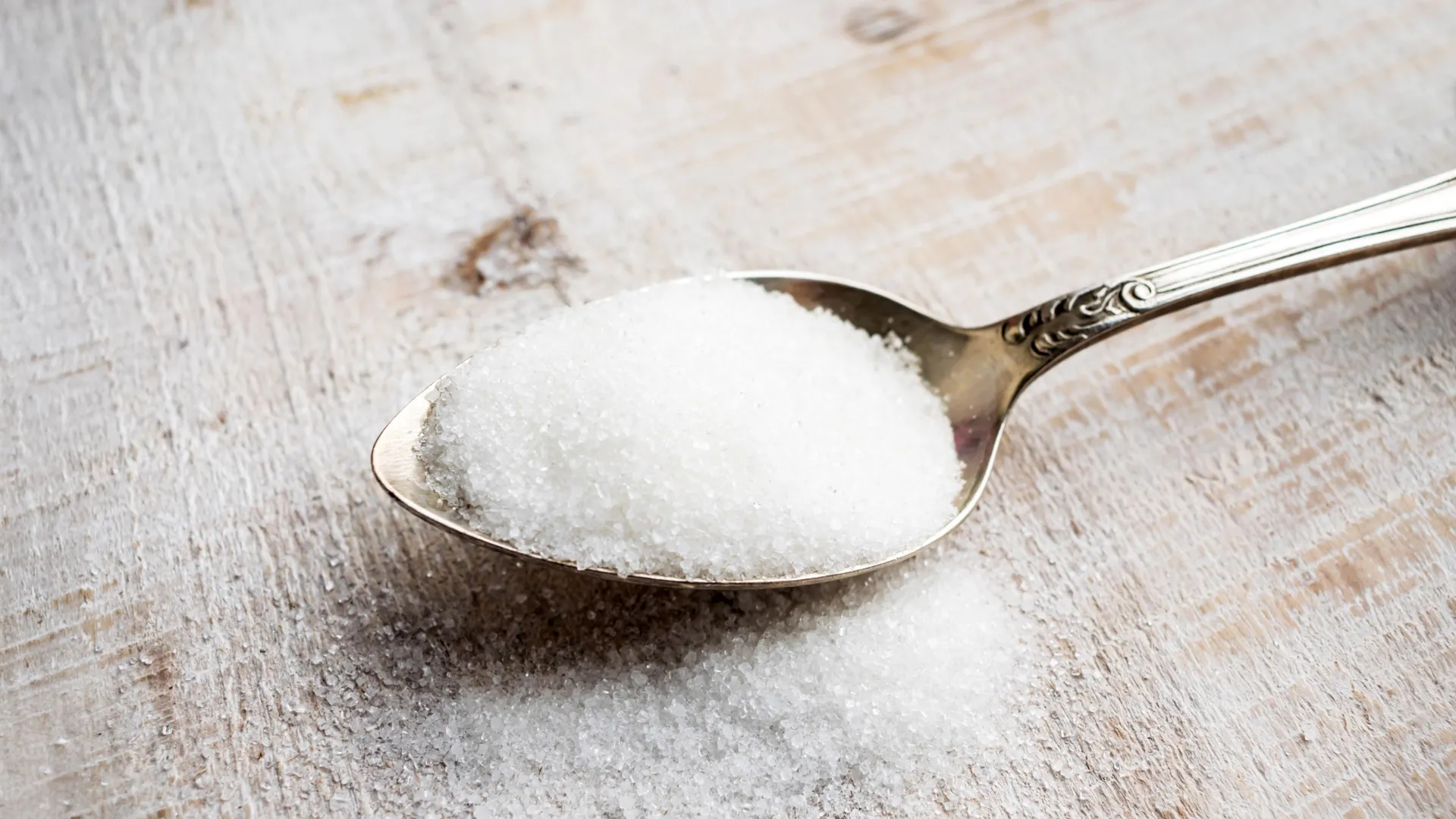
A significant longitudinal investigation has unveiled a compelling association between the regular consumption of various non-caloric and low-calorie sweeteners and a more pronounced deterioration of cognitive functions over time, encompassing critical aspects such as memory, verbal fluency, and processing speed. This pivotal research, detailed in a prominent medical journal, contributes substantially to the evolving scientific understanding of the long-term health implications of these widely integrated dietary components, which are frequently marketed as healthier alternatives to traditional sugars. The findings suggest a potential link between higher intake of these ubiquitous substances and a faster trajectory of cognitive decline, prompting a re-evaluation of their role in promoting overall brain health.
The study, which meticulously tracked the health trajectories of nearly 13,000 adult participants over an extended period, focused on seven commonly utilized non-nutritive sweeteners. Researchers observed a distinct pattern: individuals with the highest overall intake levels of these compounds exhibited a more rapid decline in their cognitive abilities when compared to those with the lowest consumption. This correlation was particularly pronounced within the subgroup of participants diagnosed with diabetes, a population that often relies heavily on such sweeteners for dietary management. It is crucial to underscore that while the study identifies a robust association, it does not definitively establish a direct causal relationship between sweetener intake and cognitive decline. Instead, it highlights a consistent pattern that warrants further rigorous investigation, acknowledging the potential influence of other contributing factors.
Ubiquitous Sweeteners Under Scrutiny
The seven specific sweeteners that formed the core of this investigation included aspartame, saccharin, acesulfame potassium (acesulfame K), erythritol, xylitol, sorbitol, and tagatose. These compounds represent a broad spectrum of non-nutritive and low-calorie alternatives to sucrose, ranging from intensely sweet artificial molecules to naturally occurring sugar alcohols. Their pervasive presence in the modern food supply cannot be overstated. They are standard ingredients in a vast array of ultra-processed products, including but not limited to, flavored beverages, diet soft drinks, energy-boosting concoctions, various yogurts, and a wide assortment of desserts specifically formulated for reduced calorie content. Beyond their incorporation into manufactured goods, several of these sweeteners are also retailed individually, allowing consumers to add them to hot beverages, incorporate them into home cooking, or utilize them in baking as a sugar substitute. The rationale behind their widespread adoption by both consumers and the food industry typically revolves around calorie reduction, blood sugar management, and dental health benefits.
The lead author of the research, Dr. Claudia Kimie Suemoto, affiliated with the University of São Paulo in Brazil, articulated the significance of these findings. She noted that non-caloric and low-calorie sweeteners are frequently perceived as beneficial alternatives to sugar, particularly for those managing weight or metabolic conditions. However, the study’s observations suggest that specific sweeteners might exert detrimental effects on long-term brain health, necessitating a more nuanced understanding of their physiological impact.
A Longitudinal Deep Dive into Brain Health
The comprehensive research encompassed 12,772 adult residents across various regions of Brazil. The participants, who had an average age of 52 at the study’s commencement, were meticulously monitored for an approximate duration of eight years. This extended observational period is a critical strength of the study, allowing researchers to track changes in cognitive function over a meaningful timeframe rather than relying on a snapshot.
At the inception of the study, each participant completed extensive food frequency questionnaires. These detailed instruments required individuals to recall and document their dietary and beverage consumption patterns over the preceding year, providing a baseline assessment of their typical intake, including that of sweeteners. Based on this self-reported dietary information, participants were subsequently stratified into three distinct groups corresponding to their total sweetener consumption levels. The group with the lowest intake averaged approximately 20 milligrams per day (mg/day), while those in the highest consumption category averaged a substantially larger 191 mg/day. To provide a tangible reference, the daily aspartame intake for individuals in the highest consumption group was roughly equivalent to the amount found in a single can of a typical diet soda. Among individual sweeteners, sorbitol emerged as the most consumed, with an average daily intake of 64 mg/day across the study population.
Throughout the study’s duration, participants underwent a series of standardized cognitive assessments at three key intervals: at the beginning, at the midpoint, and at the conclusion of the eight-year observational period. These assessments were designed to objectively measure various facets of brain function, including verbal fluency (the ability to rapidly retrieve and produce words), working memory (the brain’s transient system for holding and manipulating information), word recall (a measure of episodic memory), and processing speed (the rate at which an individual can comprehend and react to information). These comprehensive evaluations provided a robust framework for quantifying changes in cognitive performance over time.
Accelerated Cognitive Decline Correlated with Higher Sweetener Intake
Following a rigorous statistical analysis that meticulously adjusted for a range of potentially confounding variables—including age, sex, pre-existing conditions such as high blood pressure and cardiovascular disease, and other pertinent demographic and health factors—the researchers identified a clear and statistically significant divergence in cognitive decline rates among the intake groups.
Individuals categorized within the highest sweetener consumption group experienced a 62% faster rate of decline in their overall thinking and memory abilities compared to those in the lowest consumption cohort. To put this difference into a more relatable context, researchers estimated that this accelerated decline was roughly equivalent to approximately 1.6 additional years of cognitive aging. Furthermore, participants in the middle consumption group also exhibited a faster decline, registering a 35% more rapid deterioration than their counterparts in the lowest intake group. This difference was estimated to be comparable to approximately 1.3 additional years of cognitive aging. These findings underscore a dose-response relationship, where increased intake appears to correlate with more pronounced cognitive decrements.
Differential Impact Across Demographics
The study also revealed that age played a significant role in modulating these observed associations. Among participants under the age of 60, those consuming the highest quantities of sweeteners demonstrated faster declines in both verbal fluency and overall cognitive performance when contrasted with individuals in the lowest consumption category within the same age bracket. Interestingly, this particular association was not observed among participants aged 60 and older, suggesting potential age-dependent mechanisms or the influence of other age-related factors that might obscure or mitigate the effects in older cohorts.
Moreover, the link between sweetener intake and accelerated cognitive decline was notably stronger among individuals diagnosed with diabetes compared to those without the condition. This finding holds particular relevance given that diabetic individuals are frequently advised to restrict products that rapidly elevate blood sugar levels, often leading them to greater reliance on sugar substitutes. This subgroup’s heightened vulnerability warrants specific attention and further research to understand potential synergistic effects between metabolic dysregulation and sweetener consumption on brain health.
Specific Sweeteners and Their Cognitive Links
Delving deeper into individual components, the researchers conducted an analysis of each sweetener separately. This granular examination revealed that six of the seven sweeteners under investigation were independently associated with faster declines in overall cognition, with a particularly noticeable impact on memory function. These implicated sweeteners included aspartame, saccharin, acesulfame K, erythritol, sorbitol, and xylitol. Remarkably, tagatose was the solitary sweetener among those studied that did not demonstrate a discernible link to cognitive decline, suggesting potential differences in its metabolic pathways or neurophysiological effects.
Dr. Suemoto further elaborated on the implications for diabetic populations, stating, "While we found links to cognitive decline for middle-aged people both with and without diabetes, people with diabetes are more likely to use artificial sweeteners as sugar substitutes." She emphasized the imperative for further research to corroborate these findings and to explore the efficacy and safety of other refined sugar alternatives, such as applesauce, honey, maple syrup, or coconut sugar, as potentially more beneficial choices for long-term health.
Understanding the Study’s Context and Limitations
It is critical to interpret these findings within the broader context of scientific research and acknowledge the inherent limitations of the study design. Firstly, the investigation did not encompass every single artificial sweetener currently available in the food and beverage market. Consequently, the findings cannot be universally extrapolated to all existing sugar substitutes. The landscape of non-nutritive sweeteners is constantly evolving, with new compounds regularly introduced, necessitating ongoing research.
Secondly, the dietary information crucial to classifying participants’ sweetener intake was derived from self-reported questionnaires. While meticulously designed, self-reported dietary data inherently carries the potential for inaccuracies, as individuals may inadvertently omit certain foods, misremember consumption frequencies, or misestimate portion sizes. Such recall bias is a common challenge in nutritional epidemiology and can introduce some degree of imprecision into the exposure assessment.
Most importantly, the study was observational in nature. This fundamental characteristic means that while it successfully identified a compelling relationship and a consistent pattern between higher sweetener consumption and a faster rate of cognitive decline, it cannot definitively establish a direct cause-and-effect relationship. Observational studies can highlight associations and generate hypotheses, but they cannot conclusively prove that the sweeteners themselves were the direct cause of the observed cognitive changes. The possibility remains that other unmeasured or residual confounding factors, such as underlying health conditions, lifestyle choices, or dietary patterns associated with high sweetener consumption, could contribute to or even explain the observed correlation. For instance, individuals who consume large quantities of diet beverages might also exhibit other dietary or lifestyle habits that independently affect cognitive health.
Broader Implications and Future Research Trajectories
The findings from this extensive longitudinal study significantly contribute to the growing body of evidence surrounding the complex health impacts of non-nutritive sweeteners. While these compounds have been widely embraced for their ability to provide sweetness without calories, concerns regarding their metabolic, cardiovascular, and now, potentially, neurological effects continue to mount.
From a public health perspective, these results underscore the need for a critical re-evaluation of dietary guidelines pertaining to non-nutritive sweetener consumption, particularly for vulnerable populations such as individuals with diabetes or those at risk of cognitive decline. The widespread perception of these sweeteners as unequivocally "healthy" or inert alternatives to sugar may need to be challenged and refined based on emerging scientific evidence.
Future research must prioritize randomized controlled trials (RCTs), which represent the gold standard for establishing causality. Such trials would involve randomly assigning participants to groups consuming different levels or types of sweeteners versus control groups, and then meticulously tracking their cognitive outcomes. This experimental design would help to mitigate confounding factors and provide more definitive answers regarding direct causal links. Furthermore, mechanistic studies are crucial to elucidate the biological pathways through which these sweeteners might exert their effects on brain health. Potential avenues of inquiry include their impact on the gut microbiome and the gut-brain axis, their influence on glucose metabolism and insulin sensitivity, their role in neuroinflammation, or their direct effects on neural cells and networks.
Additionally, future studies should aim to examine a broader range of sweeteners, explore even longer observational periods, and replicate these findings in diverse global populations to enhance generalizability. Investigating the combined effects of multiple sweeteners, as well as their interaction with other dietary components found in ultra-processed foods, will also be vital. Ultimately, this research serves as a robust call for continued vigilance and rigorous scientific inquiry into the long-term ramifications of dietary choices that have become deeply embedded in modern lifestyles, particularly concerning the intricate and vital functions of the human brain.




 Aura Kasih
 Safa Marwah