Ayu Aulia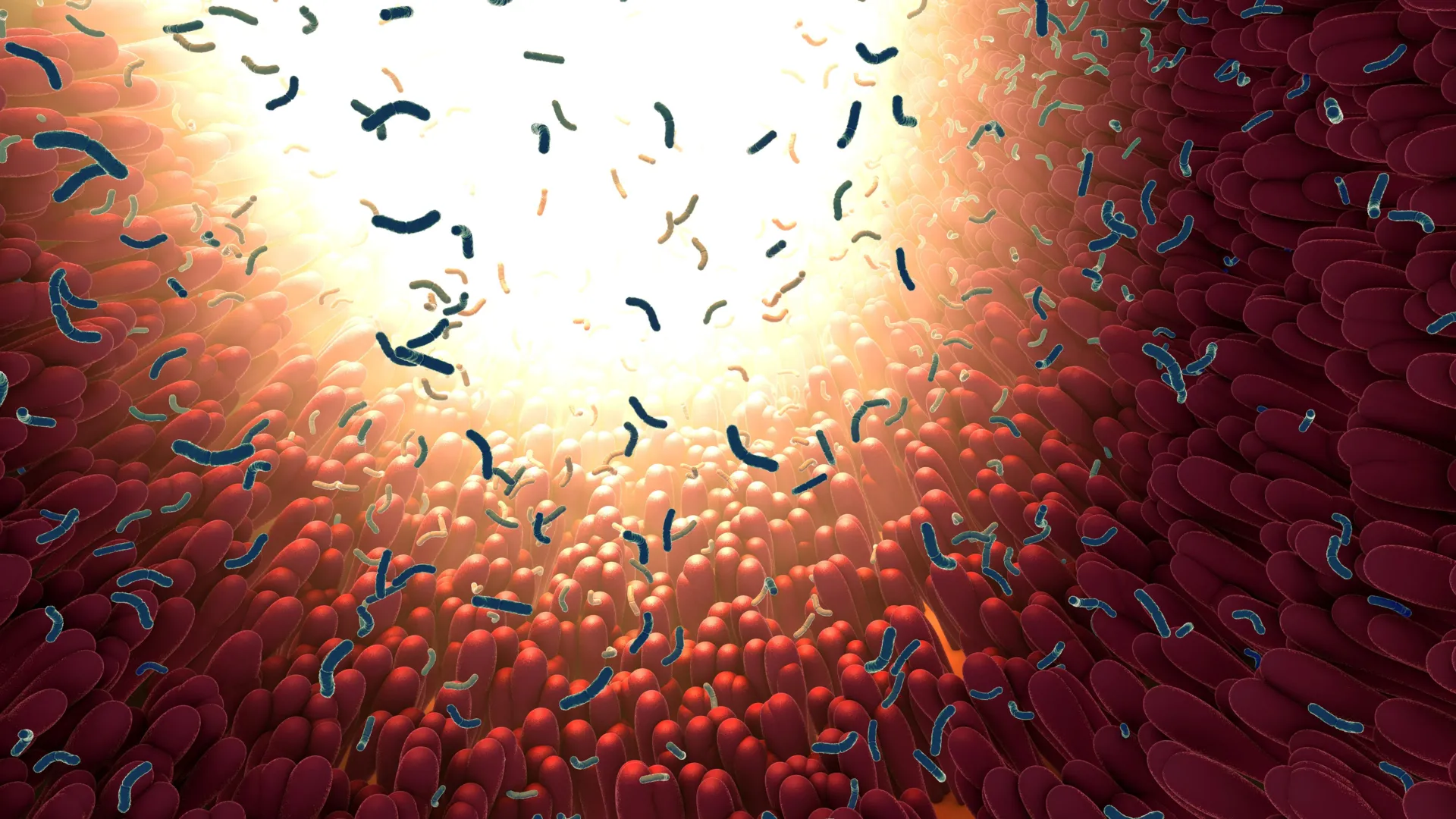
A recent comprehensive laboratory investigation has uncovered compelling evidence that widely consumed artificial and low-calorie sweeteners are not inert substances within the human digestive system, demonstrating their direct capacity to modulate the growth dynamics of crucial gut microbial species. Conducted by researchers at a prominent European university, the study’s findings challenge long-held assumptions about these ubiquitous food additives, particularly highlighting potent interactions when sweeteners are combined with other compounds, including certain medications. This research underscores a critical need for further exploration into the systemic health implications of these intricate biochemical relationships.
The most pronounced effect observed during the study involved a synergistic interaction between isosteviol, a sweetener frequently incorporated into food and beverage products, and duloxetine, a widely prescribed antidepressant. This particular combination resulted in a dramatic reduction in the proliferation of two specific bacterial species, Roseburia intestinalis and Parabacteroides merdae. Both organisms are recognized as vital components of a healthy gut ecosystem, playing significant roles in digestive function, the regulation of blood glucose levels, and the overall robustness of the immune system. While the compelling nature of these laboratory results warrants attention, the scientific team emphasizes that these experiments were performed in vitro, necessitating further human-centric research to ascertain whether these bacterial alterations translate into clinically meaningful health consequences under real-world physiological conditions.
Challenging the Paradigm of Biological Inertness
Sweeteners are pervasive in contemporary diets, integrated into an extensive array of everyday consumables ranging from carbonated beverages and confectioneries to breakfast cereals, snack items, and even certain pharmaceutical formulations. They are routinely positioned in the marketplace as advantageous alternatives to conventional sugar, offering a desired sweet taste profile without the associated caloric load or glycemic impact. This widespread adoption is largely predicated on the historical scientific understanding that these compounds pass through the human digestive tract largely unabsorbed and without significant biological interaction.
However, a burgeoning body of scientific literature has increasingly called this assumption into question. Epidemiological studies, while not establishing direct causation, have drawn correlations between elevated sweetener consumption and the incidence of conditions such as type 2 diabetes, obesity, and various forms of cancer. Researchers globally are intensely focused on elucidating the underlying biological mechanisms that might explain these observed associations, thereby moving beyond mere correlation to potential causality. One primary candidate for mediating these effects is the gut microbiome.
The gut microbiome represents an extraordinarily complex and diverse community of bacteria, archaea, fungi, viruses, and other microorganisms residing within the human gastrointestinal tract. Often referred to as a "forgotten organ," this intricate ecosystem performs a myriad of essential physiological functions. These include the fermentation of indigestible dietary fibers, the synthesis of crucial vitamins and short-chain fatty acids (like butyrate, which nourishes gut cells and possesses anti-inflammatory properties), the metabolic processing of xenobiotics, the training and modulation of the host immune system, and a profound influence on metabolism and even neurological function via the gut-brain axis. Consequently, any significant perturbation to the number, balance, or diversity of these microbial inhabitants holds the potential to impact systemic health throughout the body.
Despite the pervasive presence of sweeteners in the global food supply, rigorous scientific inquiry into their direct, isolated effects on individual species within the gut bacterial community has historically been limited. Much of the prior evidence regarding the potential influence of sweeteners on human health has emanated from animal model studies or large-scale human population cohort investigations. While these studies have indeed hinted at the involvement of the microbiome in mediating the effects of sweeteners, they often struggled to pinpoint the precise molecular and cellular interactions occurring within the human body. Furthermore, a critical confounding factor in understanding these effects lies in the reality that individuals rarely consume sweeteners in isolation; they are almost invariably co-ingested with a complex matrix of other dietary components, flavorings, or active pharmaceutical ingredients, making the isolation of their specific impact challenging.
A Comprehensive In Vitro Assessment of 39 Sweeteners
To address this knowledge gap, the research team embarked on a meticulously designed laboratory study, published in a leading scientific journal. Their primary objective was to systematically investigate how a broad spectrum of both artificial and low-calorie natural sweeteners directly influenced the growth characteristics of various gut bacterial species. A novel aspect of their approach was to simultaneously examine whether these observed effects were altered or amplified when sweeteners were combined with other substances commonly encountered in foods, beverages, and medicinal formulations.
The experimental design involved cultivating 25 distinct bacterial species in isolated laboratory environments. This carefully selected panel encompassed organisms broadly categorized as beneficial, neutral, or potentially detrimental to human health, providing a representative cross-section of the typical gut microbiota. Each individual bacterial culture was subsequently exposed to 39 commercially utilized sweeteners, spanning a wide range of chemical structures, including established artificial compounds and newer, low-calorie natural derivatives. Throughout these exposures, researchers meticulously monitored the growth rates of each bacterial culture, specifically observing whether their proliferation was inhibited, accelerated, or entirely halted.
The results proved insightful and, in many cases, surprising. Approximately three-quarters of the tested sweeteners demonstrated a discernible effect on the growth dynamics of at least one bacterial species. Notably, several of these compounds significantly reduced or entirely suppressed the growth of bacteria widely recognized for their contributions to a healthy and robust digestive system. These preliminary findings strongly imply that a considerable number of sweeteners are not merely inert substances that passively transit the digestive tract without engaging in biochemical interactions with the resident microbial population. This directly challenges the long-standing assumption underpinning their widespread adoption.
Unveiling a Complex Network of Interactions
The human diet is inherently complex, and the consumption of sweeteners rarely occurs in a singular, isolated fashion. A sweetened beverage, for example, may also contain caffeine. A dessert might incorporate a sweetener alongside various flavor compounds like vanillin. Furthermore, individuals frequently consume sweeteners in conjunction with prescribed or over-the-counter medications. To simulate this real-world complexity, the research team strategically paired the 39 sweeteners with an array of other compounds, including caffeine, vanillin (a common vanilla extract component), advantame (another artificial sweetener), and eight commonly used pharmaceutical drugs.
This combinatorial approach yielded a striking revelation: the team identified over 100 instances where the established effect of a sweetener on bacterial growth was significantly altered by the presence of another compound. In 34 of these cases, the combined effect was synergistically stronger, leading to a more pronounced impact on bacterial growth than either substance alone. Conversely, in 68 instances, the combined effect was demonstrably weaker, suggesting a dampening or antagonistic interaction. This intricate web of interactions emphatically demonstrates that the biological impact of a particular sweetener on the gut microbiome is not static but rather highly context-dependent, profoundly influenced by the concomitant consumption of other dietary or medicinal agents.
The Potent Duloxetine-Isosteviol Synergy
Among the multitude of interactions observed, the combination of isosteviol and duloxetine presented the most dramatic and concerning outcome. Duloxetine is a well-known antidepressant, widely prescribed for the management of major depressive disorder, generalized anxiety disorder, and various forms of chronic neuropathic pain. The co-administration of isosteviol and duloxetine resulted in a profoundly strong suppression of two critical gut bacterial species: Roseburia intestinalis and Parabacteroides merdae.
Roseburia intestinalis is particularly important as a prominent butyrate-producing bacterium. Butyrate is a short-chain fatty acid crucial for maintaining the integrity of the gut barrier, providing energy to colonocytes, and exerting anti-inflammatory effects. Parabacteroides merdae, while less understood than Roseburia, is also considered a significant component of a balanced gut microbiome and has been implicated in metabolic regulation. The severe suppression of these beneficial species raises substantial questions regarding the potential long-term consequences for digestive health and metabolic homeostasis, particularly given the extensive global use of duloxetine, with millions of prescriptions issued annually.
Recognizing that the human gut is a dynamic, highly interactive ecosystem rather than a collection of isolated species, the scientists further extended their investigation. They constructed a simplified, synthetic microbial community comprising all 25 bacterial species initially studied individually. This allowed them to observe how the overall community structure and function responded to the combined stressors. The synthetic community was allowed to establish itself, after which it was exposed to various combinations of sweeteners and drugs. The researchers meticulously tracked changes in species abundance, patterns of decline, and whether the community managed to retain its overall diversity.
Declining Diversity and Potential Host Impact
The findings from the simplified microbial community experiments corroborated and expanded upon the individual species data. Critically, the combination of isosteviol and duloxetine significantly reduced microbial diversity within the synthetic community. High microbial diversity is generally considered a hallmark of a resilient, adaptable, and healthy gut microbiome, although the optimal composition can vary between individuals. Beyond merely reducing diversity, the combination also profoundly altered the community’s internal balance, creating an environment where certain bacterial species thrived while others were severely diminished or eliminated.
Further experiments conducted using host cell models suggested that these microbial shifts could potentially increase toxicity towards certain host cells. Moreover, they indicated a disruption in the activity of other cells involved in inflammatory processes and immune responses. These results, while still from a simplified laboratory system, raise the intriguing and potentially concerning possibility that interactions between sweeteners, medications, and the gut microbiome could exert influences far beyond mere digestion, potentially impacting broader physiological systems, including immunity and inflammation. These observations fundamentally challenge the notion that sweeteners are metabolically neutral, highlighting their capacity for unintended effects on the delicate balance of the gut microbiome, particularly when co-consumed with other common compounds like medications and food additives.
The Imperative for Human Clinical Trials
The researchers unequivocally emphasize that these compelling laboratory findings should not be prematurely interpreted as definitive proof that sweeteners, or the specific combinations tested, directly cause harm in human beings. The highly controlled conditions of in vitro experiments, while invaluable for isolating direct molecular interactions, do not fully replicate the immense complexity of the human digestive system. In the human body, ingested sweeteners undergo various physiological processes, including absorption, chemical modification by host enzymes, dilution within digestive fluids, and partial breakdown by existing microbiota before they even reach specific target microbes. Furthermore, a myriad of individual factors—including dietary habits, genetic predispositions, concurrent medication usage, and the unique existing composition of an individual’s microbiome—could profoundly influence the ultimate outcome of these interactions.
Consequently, the next critical phase of research must involve rigorous human clinical trials. Future investigations are urgently needed to ascertain whether similar microbial interactions occur in vivo in humans, to determine the specific doses and exposure durations required to elicit such effects, and, most importantly, to establish whether any observed microbial changes produce measurable, adverse effects on human health and disease susceptibility. This evolving understanding of sweetener-microbiome interactions offers a crucial roadmap for guiding new research initiatives, ultimately aiming to fully comprehend the unexpected ways in which these pervasive food additives might influence human health and well-being. The study, supported by funding from the European Union’s Horizon 2020 program and the UK Medical Research Council, represents a significant step forward in unraveling the intricate interplay between diet, medication, and the vital microbial inhabitants of our gut.


 Aura Kasih
 Safa Marwah