Lisa Mariana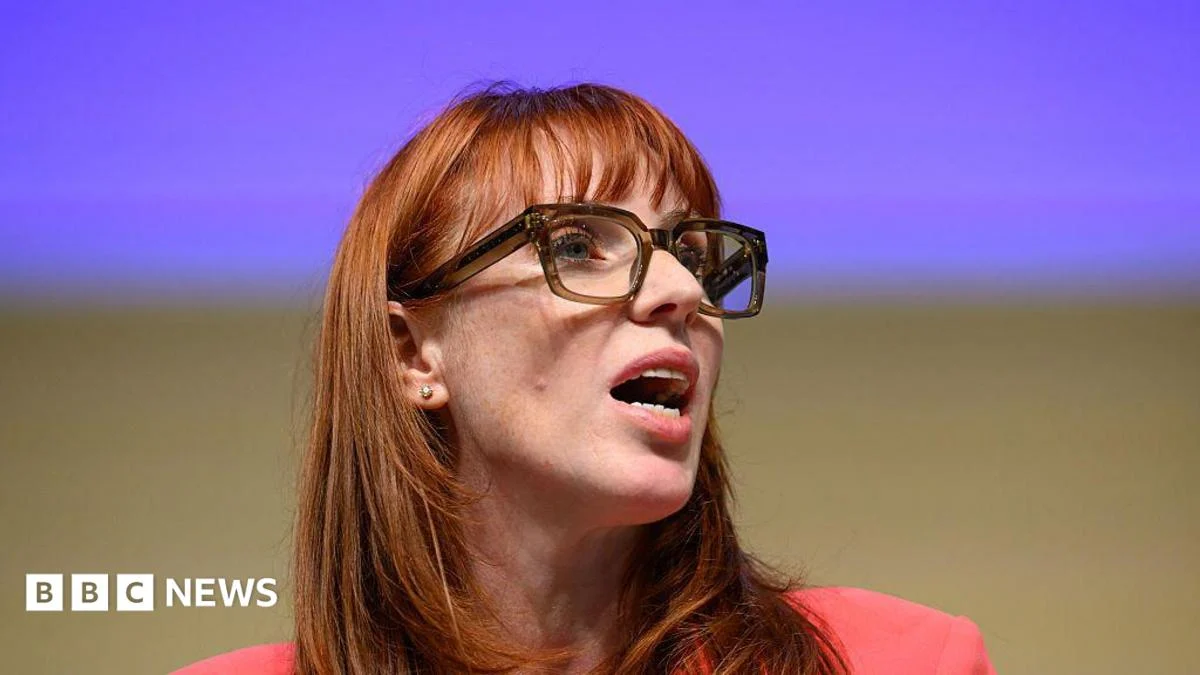
The United Kingdom’s housing landscape is at a pivotal juncture, with Housing Secretary Angela Rayner affirming the government’s current disinclination to implement rent controls across England, a stance that distinguishes the new administration’s strategy from calls by various advocacy groups and even past positions held by Prime Minister Andy Burnham. This declaration underscores a governmental preference for leveraging recent legislative reforms and supply-side interventions to address housing affordability, rather than direct price caps, setting a clear policy direction amidst persistent pressures on household budgets and a dynamic property market.
In a recent broadcast interview, Ms. Rayner articulated that the administration, led by Prime Minister Burnham, is not contemplating the introduction of rent controls. Her remarks highlighted the perceived efficacy of the Renters’ Rights Act, which became operational in May, asserting that its provisions are already generating "significant impact" within the rental sector. This legislative framework, designed to enhance stability and security for the approximately 11 million individuals reliant on private landlords, represents a cornerstone of the government’s approach to tenant welfare. Key measures include the prohibition of fixed-term tenancies, thereby providing greater security of tenure, and the imposition of more stringent conditions for landlords seeking to evict tenants. Furthermore, the Act limits rent increases to an annual cycle, aligning adjustments with the prevailing "open market rent" for comparable properties.
The Housing Secretary’s rationale for eschewing rent controls extends to observations drawn from other regions within the UK where such measures have been trialled. She noted that previous implementations of rent controls had not demonstrably achieved a sustained reduction in rental costs, suggesting a skepticism regarding their long-term effectiveness in ameliorating affordability challenges. This perspective contrasts sharply with Prime Minister Burnham’s earlier advocacy for rent freezes in the private sector during 2023, a period when he served as Mayor of Greater Manchester. At that time, amid the intensifying cost-of-living crisis, Mr. Burnham had publicly called for a moratorium on rent increases to provide immediate relief to struggling households. Ms. Rayner, however, contextualized this historical position, explaining that Mr. Burnham’s past proposal was a response to a "significant crisis in the rental market" that has since been addressed, in part, by the subsequent enactment of the Renters’ Rights Act. She reiterated her current assessment that "rent freezes, rent controls, is not a way forward at the moment."
The debate surrounding rent controls is multifaceted, encompassing complex economic theories and diverse social considerations. Proponents argue that such measures are vital for safeguarding housing affordability, preventing exploitative practices by landlords, and providing tenants with much-needed stability in volatile markets. They contend that unchecked rent increases exacerbate poverty, displace communities, and contribute to broader social inequalities. Conversely, critics, including various landlord organizations, express concerns that rent controls can have unintended negative consequences. They frequently cite potential disincentives for property owners to invest in maintenance and new developments, leading to a decline in housing quality and a reduction in the overall supply of rental properties. This, they argue, could paradoxically worsen the housing crisis by limiting options for renters and potentially fostering informal or black markets. The term "rent controls" itself is broad, encompassing a spectrum of interventions from outright freezes to caps on the percentage by which rents can increase, or even vacancy decontrol, where controls apply only during a tenancy but not between tenants.
The Scottish experience provides a pertinent example of this policy’s implementation and evolution within the UK. In October 2022, temporary rent controls were introduced across Scotland, initially intended as an emergency measure to combat the cost-of-living crisis. While these temporary measures expired last year, the Scottish Parliament has since advanced new legislation that will empower ministers in Holyrood to designate specific areas as "rent control areas" by 2027. Within these designated zones, local councils will be able to impose caps on rent increases for certain properties, with a maximum limit of 6%. This legislative framework reflects a more nuanced, geographically targeted approach, allowing for flexibility based on local market conditions and housing pressures, rather than a blanket national policy.
In England, the call for rent controls resonates strongly among certain political factions and urban leaders. The Green Party, for instance, has been a vocal advocate for comprehensive rent controls applicable to all rented properties across the nation. Zack Polanski, the Green Party leader, reacted critically to Ms. Rayner’s interview, drawing a parallel between Prime Minister Burnham’s current stance and that of the previous Labour leadership, labelling it "continuity Starmer." Mr. Polanski, using social media, asserted that while the new Prime Minister frequently speaks of alleviating the cost-of-living crisis, universal rent controls represent "the one single measure that would help the most and save billions," dismissing the government’s current position as "all talk." Similarly, Sir Sadiq Khan, the Mayor of London, has consistently urged the government to implement rent caps, highlighting the unique and acute affordability challenges faced by residents in the capital. These persistent calls underscore a significant divergence in policy approaches between the government and other key political figures and parties regarding the most effective means to address the ongoing housing crisis.
Beyond the immediate debate on rent controls, the government’s broader housing strategy remains under intense scrutiny. Ms. Rayner also addressed the administration’s ambitious target of constructing 1.5 million new homes by the conclusion of the parliamentary term in 2029. Acknowledging the considerable difficulties inherent in achieving this objective, particularly in light of escalating construction costs, she affirmed the government’s unwavering commitment. "1.5 million homes is a difficult target. It was when I made the target, but I’m going to keep the target, and I’m not going to be defeated," she stated during an appearance on BBC Radio 4’s Today programme. Meeting this target necessitates overcoming significant hurdles, including navigating complex planning regulations, securing adequate skilled labour, and ensuring the availability of suitable land and infrastructure. It will likely require a multi-pronged approach involving streamlining planning processes, incentivizing private sector development, and potentially increasing public sector involvement in housing delivery.
Prime Minister Andy Burnham’s vision for housing, articulated during his leadership campaign, included a pledge to initiate the most extensive programme of council house building in decades. This commitment signals a potential shift towards greater public provision of housing, aiming to address both affordability and supply issues from a different angle than purely market-driven solutions. Furthermore, Mr. Burnham has consistently spoken about the need for reforms to property taxes, including stamp duty and council tax. While specific proposals for these reforms have yet to be detailed, such changes could be designed to stimulate market activity, ensure greater equity in the tax burden, or generate revenue for public services and housing initiatives. Potential reforms could range from adjusting stamp duty thresholds to a comprehensive revaluation of properties for council tax purposes, or even exploring more radical options like a land value tax.
The new government, under Prime Minister Burnham, has positioned itself as a "cost of living government," making the alleviation of economic pressures on households a central plank of its agenda. In its inaugural week, the administration announced a series of measures intended to provide citizens with "breathing space." These initiatives include a commitment to cut VAT on household energy bills starting in October, aiming to reduce utility costs directly. Additionally, a plan to restore a £2 bus fare cap across England, excluding London, from January 2027, has been unveiled, designed to mitigate daily commuting expenses for millions. These measures, alongside the policy on rent controls and housing targets, collectively delineate the new government’s economic philosophy and its chosen tools for addressing the nation’s pressing socio-economic challenges. The decision to forgo rent controls in favour of legislative reforms and supply-side interventions indicates a preference for market-oriented solutions, albeit within a framework of enhanced tenant protections, as the primary mechanism for fostering a more stable and affordable housing environment in England. The long-term efficacy of this approach will be a critical determinant of the government’s success in navigating the complex interplay of housing, economy, and social welfare.




 Safa Marwah
 Aura Kasih