Lisa Mariana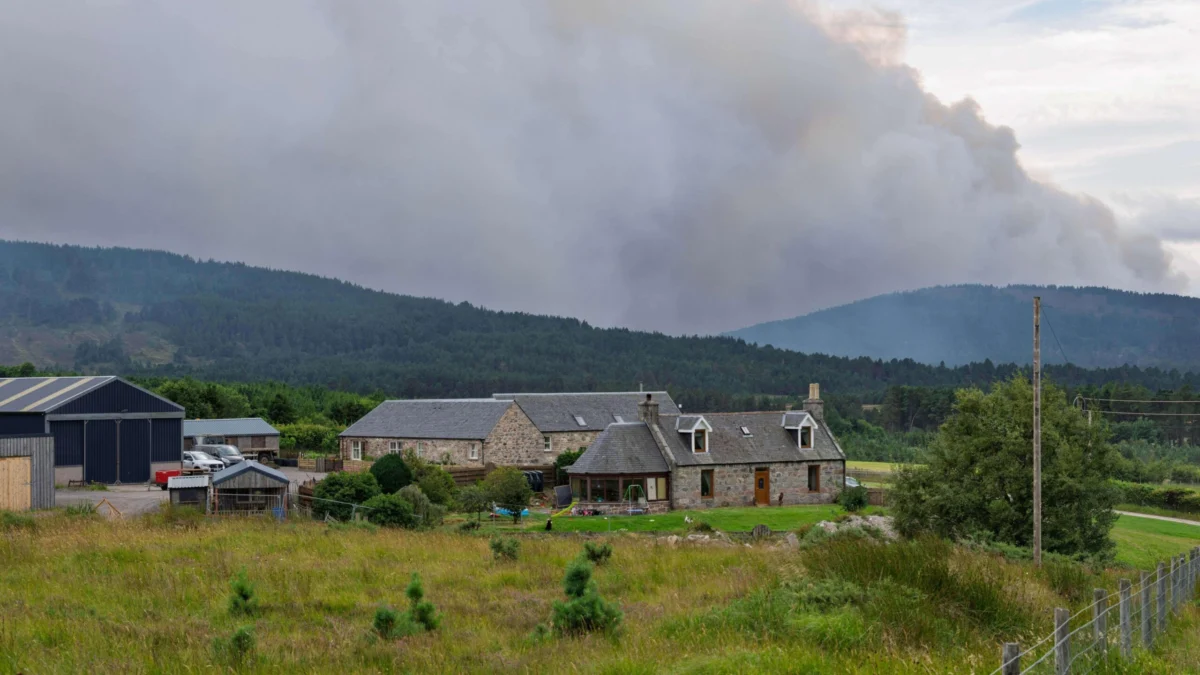
Police Scotland has formally declared a major incident in the Cairngorms National Park, prompting the precautionary evacuation of Nethy Bridge residents, as a persistent wildfire, now burning for ten days, intensified dramatically due to a significant and unfavourable change in wind direction. This escalation underscores the critical challenges faced by emergency services battling the extensive blaze, which now poses a direct threat to populated areas and continues to spread smoke across a wide geographical expanse. The designation of a major incident initiates a heightened, multi-agency response, mobilizing extensive resources and coordination across the region to mitigate the burgeoning crisis.
The decision to elevate the response to a "major incident" level was made following a comprehensive assessment of the evolving situation, particularly after a shift in meteorological conditions on Thursday night caused a substantial flare-up. This change has significantly complicated firefighting efforts, pushing the fire’s perimeter closer to Nethy Bridge, a picturesque village nestled within the national park. Authorities swiftly moved to evacuate all inhabitants of Nethy Bridge, directing them to a designated respite facility at the Macdonald Aviemore Hotel, while simultaneously imposing road closures to secure the affected area and facilitate emergency operations.
The Cairngorms National Park, a vast expanse of mountains, forests, and moorland in the Scottish Highlands, is a critically important ecological zone, renowned for its ancient Caledonian pine forests, extensive peatlands, and diverse wildlife. Wildfires in such sensitive environments carry profound ecological consequences, threatening unique habitats and contributing to significant carbon emissions from burning peat. The current blaze, which originated near Ryvoan Bothy over a week and a half ago, has already consumed substantial tracts of this invaluable landscape, presenting a formidable challenge to conservation and restoration efforts.
First Minister John Swinney emphasized the Scottish government’s unwavering commitment to the crisis, stating that "all resources that can be deployed are being deployed." This high-level political engagement highlights the severity of the situation and the national significance of the natural assets at risk. The coordinated effort involves not only Police Scotland and the Scottish Fire and Rescue Service (SFRS) but also various partner agencies, all working in concert under the major incident protocol to contain the inferno and safeguard human life and property.
The meteorological dynamics have played a pivotal role in the fire’s recent intensification. Wildfires are inherently sensitive to wind patterns, which dictate their direction, speed of spread, and intensity by supplying fresh oxygen and carrying embers across firebreaks. The shift in wind direction has been particularly detrimental, reigniting dormant hotspots and propelling the blaze into new, previously unaffected areas, including towards the immediate vicinity of Nethy Bridge. This unpredictability necessitates constant monitoring and rapid adaptation of firefighting strategies, demanding immense logistical and tactical flexibility from the ground crews and aerial support.
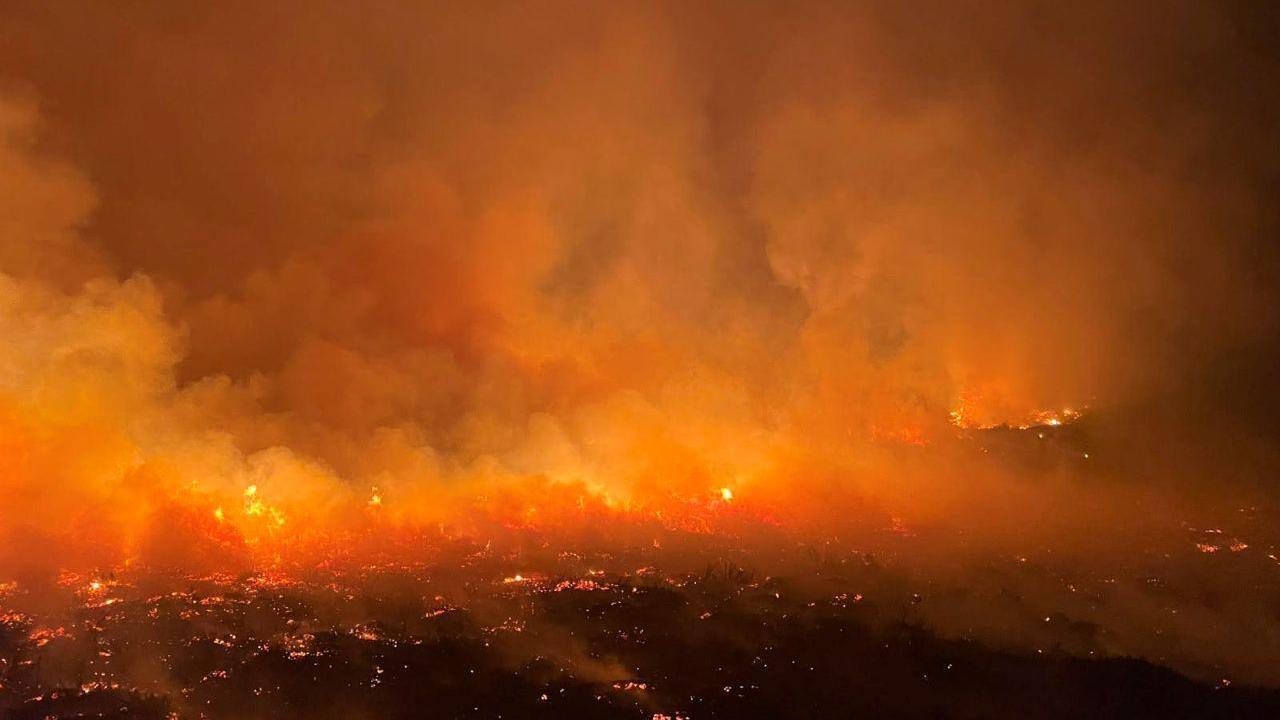
The scale of the firefighting operation is substantial, with over 100 firefighters deployed to the scene. This contingent is supported by a robust array of equipment, including eleven fire engines, specialized wildlife units designed for challenging terrains, and a dedicated command support unit coordinating the complex activities. Advanced technologies, such as drones, are being extensively utilized to provide real-time aerial intelligence, directing crews to critical hotspots that might otherwise be invisible or inaccessible from the ground. Furthermore, helicopter water-bombing operations continue to be crucial in dousing flames in remote areas and creating strategic wet lines. The construction of miles-long firebreaks, physical barriers designed to starve the fire of fuel, has proven instrumental in containing some of the recent break-outs, but the sheer size and dynamic nature of the fire mean that new pockets of fire are still emerging within the expansive national park.
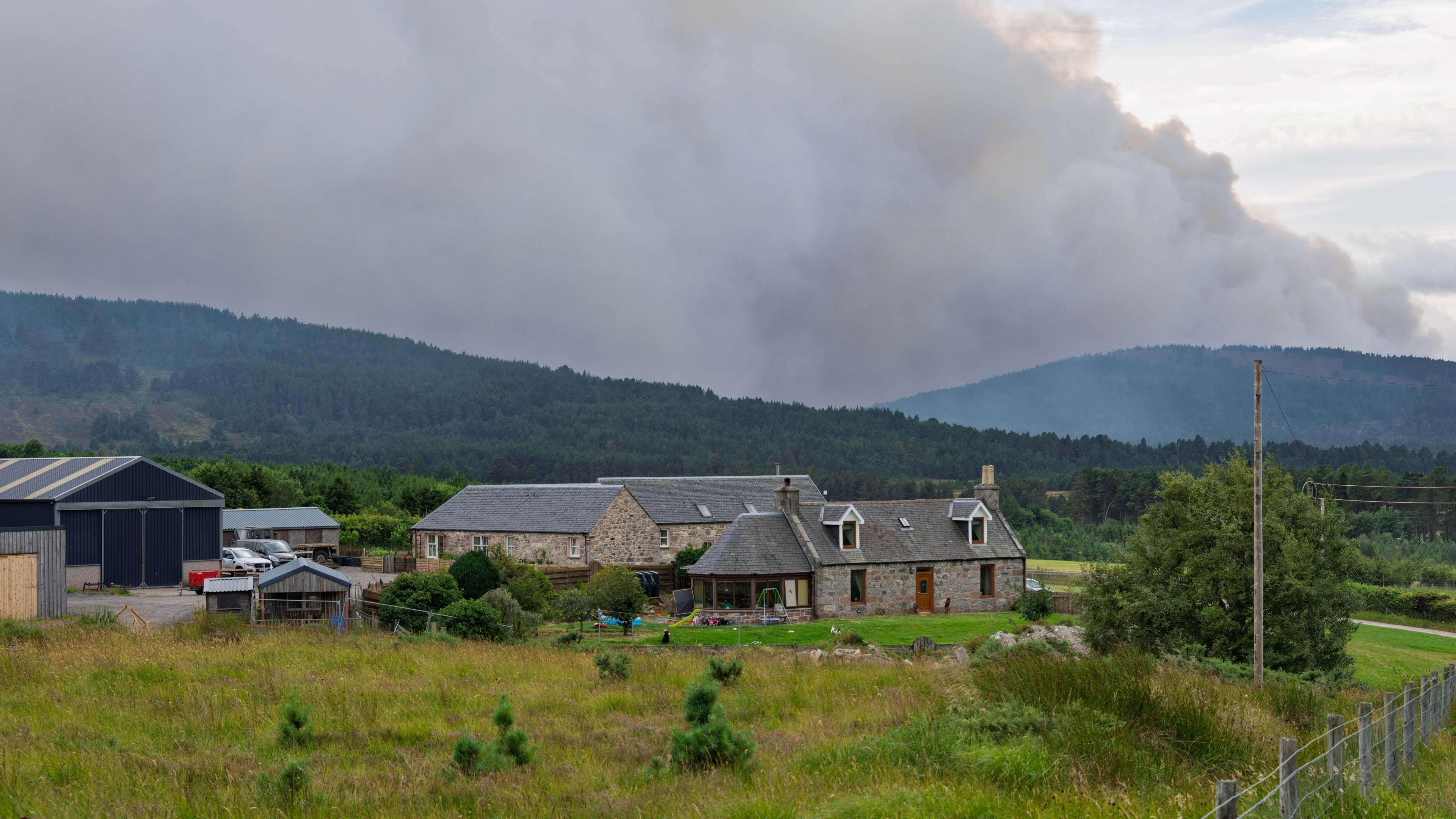
The far-reaching impact of the wildfire is evident in the widespread dispersion of smoke, which has been observed as far as Aberdeen, approximately 59 miles distant. This extensive smoke plume not only signifies the magnitude of the blaze but also poses public health concerns. Residents in areas potentially affected, including parts of Aberdeenshire such as Inverurie, Banchory, and Kintore, as well as Aberdeen city, have been advised by the SFRS to keep windows and doors closed to mitigate exposure to smoke particles. Such advisories underscore the indirect but significant impact on communities far removed from the immediate fire front.
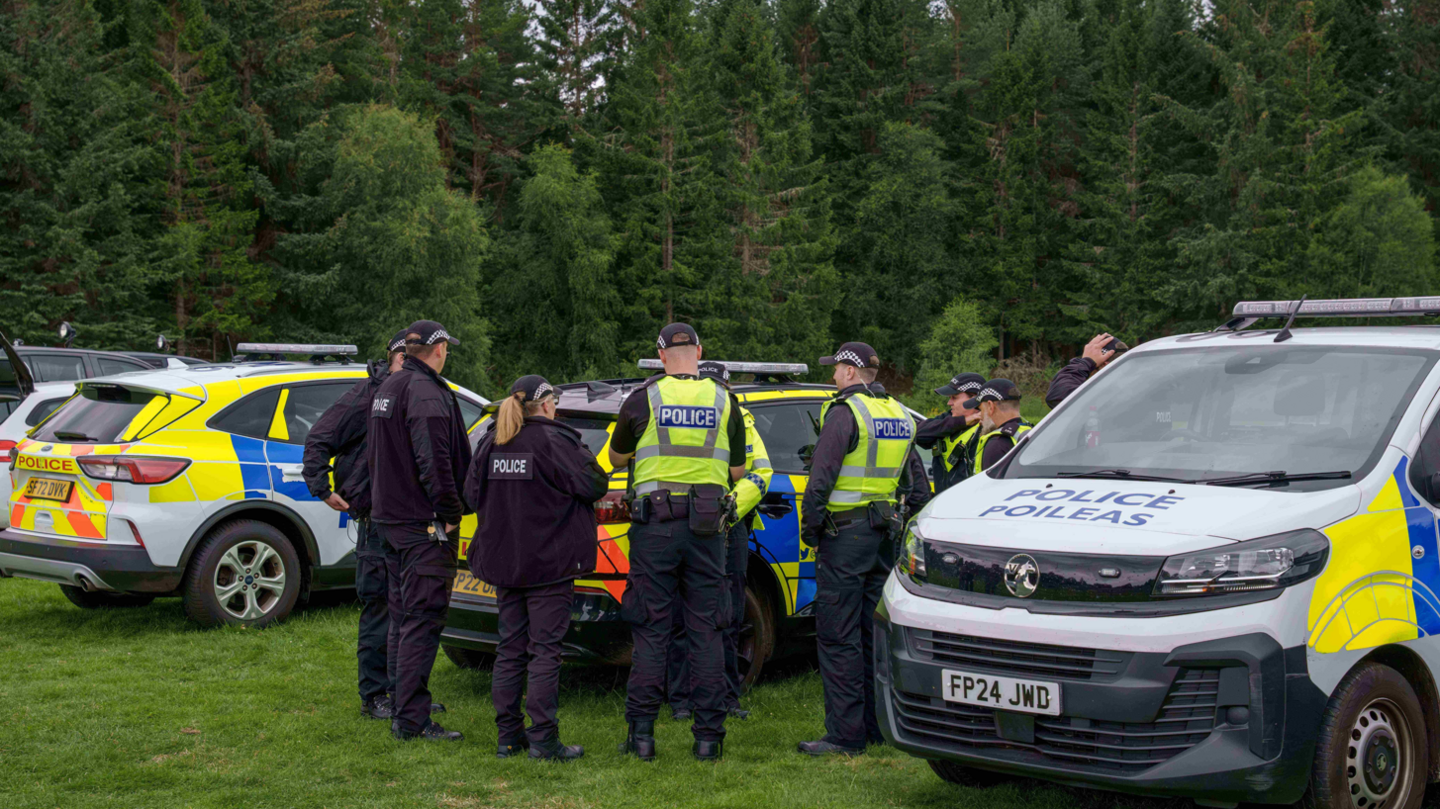
Superintendent Judy Hill of Police Scotland articulated the complexities introduced by the changing weather. "The weather conditions experienced within the Cairngorms over the last 24 hours have added further complexities to this situation," she stated. "With evidence suggesting the fire is spreading towards Nethy Bridge, the decision has been taken to declare a major incident and evacuate residents as a precaution." She further detailed the deployment of additional police resources to assist in contacting residents and enforcing cordons, ensuring public safety and enabling fire services to operate without hindrance.
The challenges inherent in battling such a wildfire extend beyond immediate suppression. The Cairngorms’ unique landscape, characterized by vast expanses of dry heather, ancient pinewoods, and deep peat deposits, provides ample fuel for prolonged and intense fires. Peat fires, in particular, can smolder underground for weeks or even months, making them incredibly difficult to extinguish entirely and prone to re-ignition. The ecological recovery of these habitats post-fire can take decades, altering biodiversity, soil composition, and water quality.
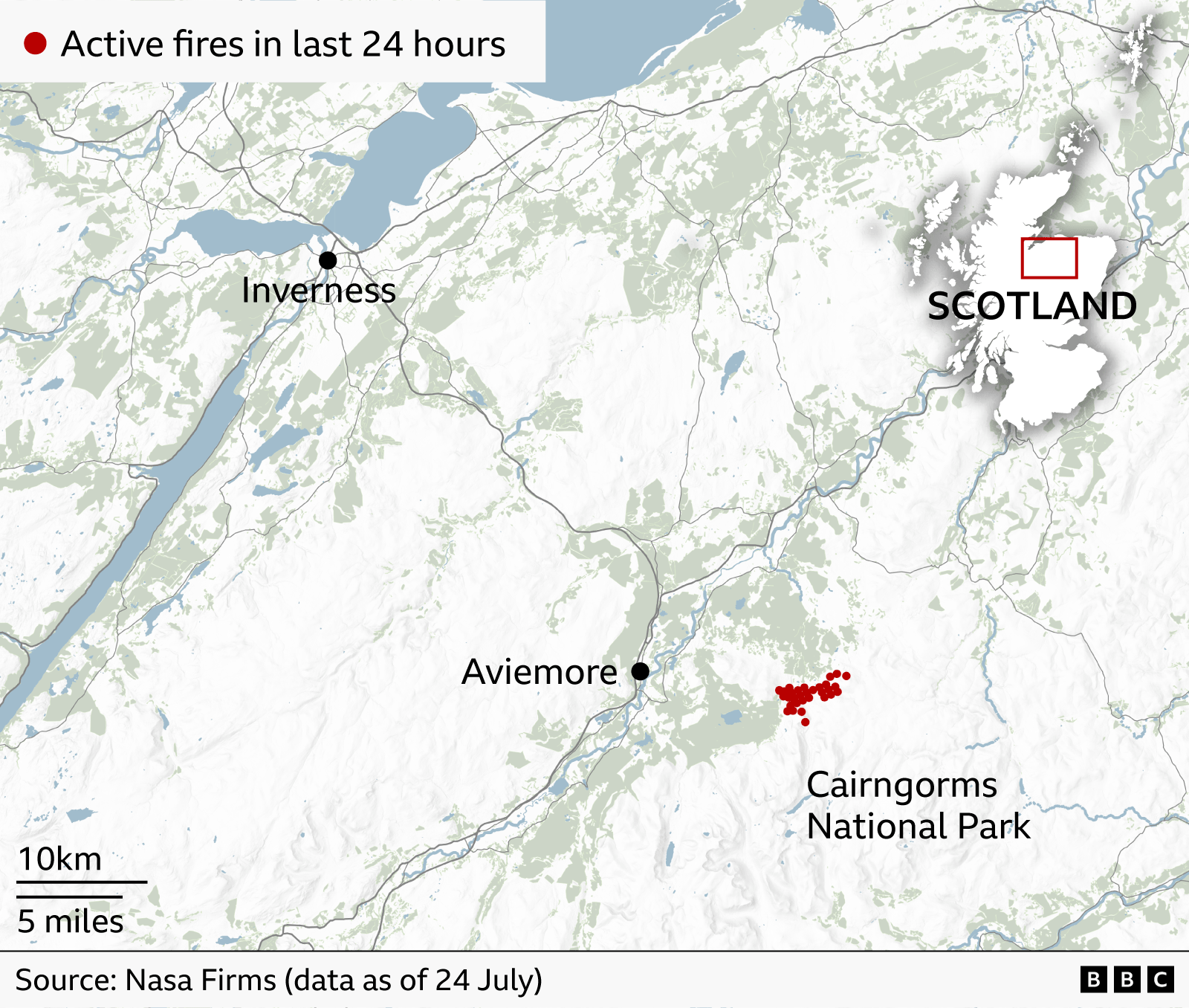
Looking ahead, the situation remains "dynamic and unpredictable," according to an SFRS spokesperson. The ongoing risk of changing wind strength and direction, which can trigger further flare-ups and rapid spread, necessitates continuous vigilance. Emergency services are committed to monitoring conditions closely, utilizing all available resources to prevent further proliferation of the blaze. The long-term outlook will involve not only extinguishing the current fire but also comprehensive assessments of environmental damage, potential restoration projects, and a review of wildfire prevention and management strategies in light of increasingly frequent and intense weather events attributable to climate change. The event serves as a stark reminder of the vulnerability of even temperate ecosystems to extreme fire conditions and the imperative for robust preparedness and adaptive management in a changing global climate.




 Aura Kasih
 Safa Marwah
 Ayu Aulia