Aura Kasih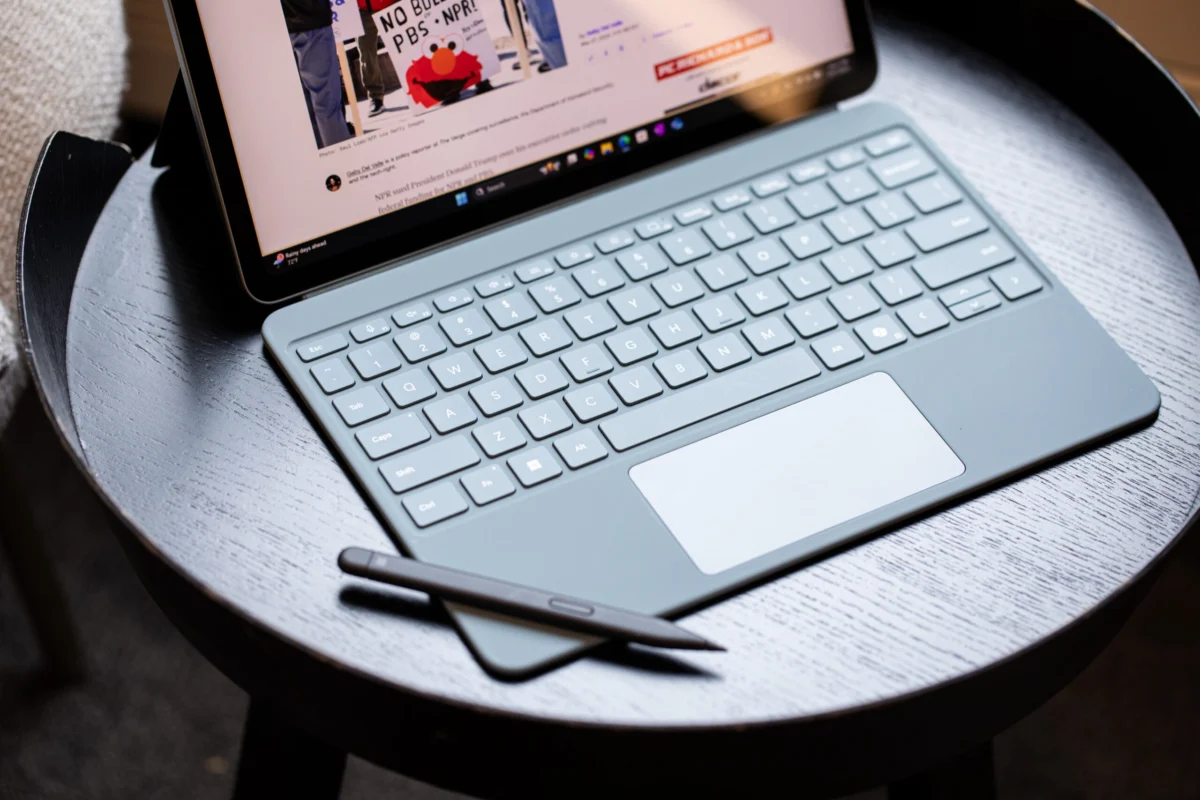
The latest iterations of Microsoft’s highly anticipated Surface Pro and Surface Laptop devices are now commanding substantially higher price tags, with starting prices of key models experiencing an increase of $500. This surge in cost is directly attributed to the ongoing global RAM shortage, a widespread issue impacting the entire technology sector and particularly affecting high-performance computing components.
The narrative surrounding Microsoft’s premium computing hardware has taken a sharp turn with the introduction of the Surface Pro 11 and Surface Laptop 7. These devices, initially heralded for their innovative design and powerful capabilities, are now subject to a significant price adjustment that places them at a considerable premium compared to their launch valuations. The Surface Pro 11, a flagship 13-inch convertible, and the 13.8-inch Surface Laptop 7, both premium offerings, now begin at $1,499, a stark contrast to their original starting point of $999. This substantial increase signals a strategic shift in Microsoft’s pricing architecture, driven by external market pressures.
This price adjustment is not an isolated incident for the higher-end configurations. Last year, Microsoft had already begun phasing out the most affordable $999 configurations of the Surface Pro 11 and the 13.8-inch Surface Laptop 7, opting instead to promote models with increased storage capacity, starting at $1,199. This move was perceived at the time as an effort to streamline the product lineup and potentially make way for more budget-friendly alternatives. However, the economic realities of the component market have proven to be a pervasive force, impacting even these newer, ostensibly more accessible models. The 12-inch Surface Pro, a more compact and previously more affordable option, has seen its entry-level price climb from $799 to $1,049. Similarly, the 13-inch Surface Laptop’s starting price has escalated from $899 to $1,199.
The impact of these price hikes extends to the larger form factor as well. The 15-inch Surface Laptop, a device designed for users seeking expansive screen real estate and enhanced productivity, now carries a starting price of $1,599, a notable increase from its 2024 launch price of $1,299. This trend of escalating costs is further exemplified by the top-tier configurations. For instance, a fully equipped 15-inch Surface Laptop, featuring the advanced Snapdragon X Elite processor, a substantial 64GB of RAM, and 1TB of storage, now retails for $3,649. This figure places it in direct competition, and in many cases, surpasses the cost of comparable 16-inch MacBook Pro models with similar specifications, suggesting a significant re-evaluation of value proposition within the premium laptop segment.
The current pricing strategy for Microsoft’s Surface devices also places them in a more challenging competitive landscape, particularly when juxtaposed against offerings from other major technology manufacturers. The persistent global shortage of Dynamic Random-Access Memory (DRAM) chips, commonly referred to as RAM, has created a ripple effect across the industry. This scarcity, driven by a confluence of factors including increased demand from cloud computing, 5G infrastructure, and the burgeoning AI sector, coupled with supply chain disruptions and manufacturing complexities, has directly led to increased component costs. For manufacturers like Microsoft, which rely heavily on these components for their high-performance devices, the only recourse to maintain profit margins has been to pass these increased costs onto the consumer.
The ramifications of this pricing shift are multifaceted. For consumers, it presents a more significant financial barrier to entry for Microsoft’s premium hardware, potentially impacting sales volumes and market share. The perceived value of the Surface line may also be scrutinized more closely, especially when compared to competitors offering similar performance at lower price points, or those that have managed to absorb some of the cost increases.

Furthermore, this situation casts a shadow over the potential future releases within the Surface ecosystem. Industry analysts suggest that Microsoft may be poised to unveil new Surface devices in the coming spring or summer. Given the current market conditions, it is highly probable that these forthcoming models will also reflect similar pricing trends, potentially commanding equally elevated or even higher price points than their current counterparts. This forecast indicates that the era of readily affordable premium computing may be facing a prolonged period of adjustment.
The RAM shortage, often termed "RAMageddon," is a complex phenomenon with deep roots. The demand for memory modules has surged dramatically over the past few years. The widespread adoption of artificial intelligence (AI) applications, both in enterprise data centers and on consumer devices, requires significantly more RAM for processing complex algorithms and large datasets. Simultaneously, the expansion of 5G networks necessitates memory for the underlying infrastructure. The COVID-19 pandemic also contributed to supply chain disruptions, slowing down production and logistics. More recently, geopolitical tensions and increased demand from the cryptocurrency mining sector (though less impactful now than in previous years) have added further pressure to the supply.
This perfect storm of demand and supply constraints has inevitably led to a sharp increase in the price of RAM. Manufacturers of memory chips, such as Samsung, SK Hynix, and Micron Technology, have faced challenges in ramping up production to meet this unprecedented demand. Lead times for new chip fabrication facilities are extensive, often spanning several years, and the cost of building and equipping these facilities is astronomical. As a result, the available supply of RAM has struggled to keep pace with the ever-growing appetite from the technology sector.
For a company like Microsoft, the Surface line represents a significant investment in its hardware division and a key component of its strategy to offer integrated hardware and software solutions. The Surface devices are designed to embody Microsoft’s vision for productivity and innovation, often featuring cutting-edge technology and premium build quality. However, the economic realities of global component sourcing mean that even the most innovative designs are susceptible to market fluctuations. The decision to absorb some of the cost increases, as evidenced by the shift away from the lowest-priced configurations last year, is a testament to Microsoft’s commitment to its Surface brand. However, the current market dynamics have necessitated a more direct approach of passing on these escalating costs to consumers.
The competitive implications are substantial. Apple, a key rival in the premium laptop and tablet market, has also navigated the challenges of component sourcing, though its vertically integrated supply chain and long-term supplier relationships often provide a degree of insulation. However, even Apple has seen price adjustments in its product lines. The emergence of highly competitive and often more affordable alternatives from manufacturers like Asus, Lenovo, and Acer, particularly those leveraging ARM-based processors that offer improved power efficiency and performance-per-watt, further intensifies the pressure on Microsoft. The success of Apple’s $599 MacBook Neo, which has been lauded for its performance and value proposition, highlights the market’s sensitivity to price, especially for devices aimed at mainstream productivity users.
The situation also underscores a broader trend in the technology industry: the increasing commoditization of certain components and the growing impact of supply chain resilience on product pricing and availability. As the reliance on advanced semiconductors grows across all sectors of the economy, the strategic importance of securing a stable and affordable supply of these components becomes paramount. Governments and industry leaders are increasingly focused on diversifying supply chains and investing in domestic manufacturing capabilities to mitigate the risks associated with concentrated production centers.
Looking ahead, the resolution of the RAM shortage is not anticipated to be immediate. Industry experts predict that it could take several more quarters, and potentially into the next year or beyond, for supply to more closely align with demand. Until then, consumers can expect to continue facing higher prices for a wide range of electronic devices, including laptops, desktops, smartphones, and tablets. For Microsoft, this means a continued need to strategically manage its Surface product roadmap, balancing innovation with the economic realities of the global component market. The company may explore further optimization of its product configurations, seek alternative component suppliers, or continue to adjust pricing to reflect the prevailing market conditions. The long-term success of the Surface brand will likely depend on its ability to adapt to these evolving market dynamics while continuing to deliver the premium user experience that its customers have come to expect. The "RAMageddon" scenario serves as a stark reminder of the interconnectedness of the global technology ecosystem and the profound impact that supply chain disruptions can have on consumer electronics pricing and availability.


 Safa Marwah
 Ayu Aulia
 Lisa Mariana