Aura Kasih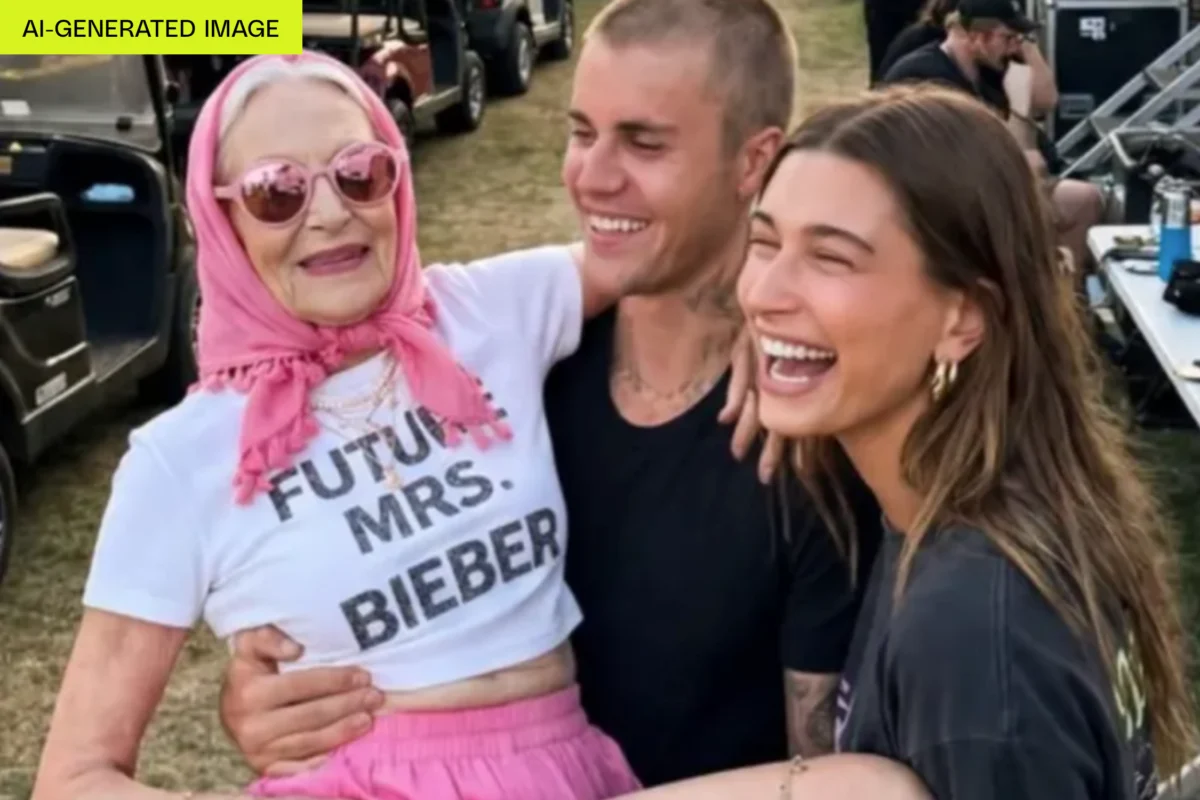
As the sun-drenched weekends of Coachella unfold, a new wave of digital personalities is making its presence felt, blurring the lines between authentic experience and manufactured reality, with artificial intelligence emerging as a significant, and often undisclosed, participant in the influencer ecosystem.
The annual music and arts festival, long a pilgrimage site for social media tastemakers and brand ambassadors, has become an increasingly prominent stage for AI-generated avatars to simulate attendance, engage with virtual audiences, and even forge purported connections with real-world celebrities. This phenomenon is not merely a fleeting digital quirk; it represents a profound shift in how online influence is cultivated and consumed, raising critical questions about authenticity, transparency, and the very nature of digital engagement in the era of advanced generative AI.
Historically, Coachella has served as a high-profile backdrop for influencers to showcase curated lifestyles, secure lucrative brand partnerships, and amplify their digital reach. The festival’s unique atmosphere, coupled with its celebrity-laden guest list, provides an unparalleled environment for content creation. However, the advent of sophisticated AI tools has introduced a new dimension to this dynamic. Instead of merely documenting their experiences, some online personas are now entirely fabricated, meticulously crafted to project an image of presence and participation at events like Coachella, despite their physical absence.
This surge of AI-driven "influencers" at Coachella is symptomatic of a broader trend across social media platforms. Generative AI technologies have advanced to a point where creating photorealistic avatars and synthesizing realistic video content is now accessible to a wider range of users. These synthetic creators, often presented as "digital creators" or "virtual souls" in their online biographies, can engage with audiences, interact with digital representations of celebrities, and appear to inhabit the same virtual spaces as human attendees. The ambiguity in terminology, such as "digital creator," intentionally obfuscates the true nature of these online personas, making it increasingly challenging for the average social media user to discern between authentic human experiences and AI-generated simulations.
Several prominent examples illustrate this evolving landscape. Accounts like Ammarathegoat, boasting over 170,000 Instagram followers, feature avatars in seemingly genuine poses with members of the Kardashian-Jenner family and established human influencers like Bretman Rock and James Charles, all set against recognizable Coachella backdrops. Despite the lack of explicit AI disclosures in its bio, visual anomalies and inconsistencies in image and video content strongly suggest an AI origin. Similarly, Grannyspills, an avatar developed using Higgsfield AI, has amassed over two million followers by presenting itself at Coachella. While its creator bio acknowledges the AI foundation, disclosures within individual posts are often buried or presented in a way that minimizes visibility, such as the "AI info" tag accessible only through the three-dot menu on Instagram’s mobile application.
A discernible pattern emerges from the observation of these accounts, particularly those featuring female-presenting AI avatars. There appears to be a concerted effort among many of these synthetic personalities to avoid explicit acknowledgment of their artificial nature. This contrasts with some of the earlier, more transparent AI influencers, such as Lil Miquela, who has publicly engaged with the concept of her digital existence and even participated in simulated Coachella events in the past. Accounts like Miazelu and Anazelu, while identifying as AI influencers in their biographies, refrain from disclosing this on their published content, presenting images that are virtually indistinguishable from those of real festivalgoers, complete with seemingly casual shots and believable environmental context.
The strategic deployment of AI influencers at events like Coachella is driven by clear objectives. The festival itself has been colloquially dubbed the "Influencer Olympics," a competitive arena where content creators vie for brand endorsements, agency representation, and audience growth. By simulating attendance and associating with real celebrities, these AI personas aim to tap into existing fan bases and enhance their perceived relevance and reach. This tactic is particularly effective for accounts that also link to revenue-generating platforms like OnlyFans, where proximity to popular figures can drive subscriptions and engagement. The ability to insert an AI avatar into a seemingly intimate moment with a celebrity, even if fabricated, can create a compelling narrative for a targeted audience, contributing to the broader discourse surrounding the "Dead Internet" theory, which posits that much of the online content is now generated by bots and AI.
The monetization strategies employed by these AI influencers are becoming increasingly sophisticated. Platforms like Fanvue, which appear more accommodating to AI-generated content than some competitors, are becoming key destinations for these virtual personalities. Nikki Bellini, an adult-themed AI influencer, reportedly received numerous invitations to attend Coachella in person last year, underscoring the perceived authenticity and reach of such digital entities. This year, other AI-generated "Fanvue Ambassadors," like Fit_aitana, have joined the trend, employing convincing festival fakery to engage their substantial Instagram followings. While Fit_aitana describes itself as a "virtual soul," the lack of explicit AI disclosure on its content perpetuates the prevailing ambiguity. The presence of AI avatars on platforms like X (formerly Twitter) further highlights their pervasive reach, with accounts like Ammarathegoat also maintaining associated OnlyFans profiles that, despite platform requirements for identity verification, often lack AI disclosures.
The apparent lack of concern or awareness from a significant portion of the Instagram user base is noteworthy. Comments on posts by AI influencers often express admiration for their simulated experiences, with users stating, "Looks like you had the absolute best time," and admitting to feelings of jealousy. This suggests a disconnect between the creators’ intentions to deceive and the audience’s willingness or ability to discern reality from simulation. Even instances where the sheer volume of AI-generated content, such as an exaggerated number of digitally enhanced physical attributes in images, might serve as a giveaway, users continue to engage positively.
In contrast, a subtle divergence is observed in the approach of male-presenting AI influencers. These entities are sometimes more inclined to disclose their artificial nature, often as a prelude to promoting products or services related to AI content creation. They may offer guides on prompting AI models or sell access to pre-made avatars, leveraging the visual allure of events like Coachella to market their tools and expertise in creating similar synthetic realities.
The pervasive nature of influencer marketing at major cultural events like Coachella, where every opportunity is monetized, is amplified by the introduction of undisclosed AI influencers. This trend is not merely about generating engagement; it can be seen as exploiting the aspirations of individuals who are unable to attend such prestigious events in person. The ability to present a fabricated experience as authentic erodes the reliability of digital content and compels audiences to question the veracity of what they see online. As these synthetic creators achieve a level of internet micro-celebrity, the trend is poised to accelerate, further saturating the digital landscape with manufactured realities.
Brands are already investing substantial sums, reportedly in the high six figures, to send human creators to Coachella. The economic calculus of investing in AI-generated personas, which are demonstrably cheaper to produce and deploy, presents a compelling alternative for brands. If the primary objective is widespread visibility and brand association, the ethical implications of sponsoring fabricated experiences may be secondary to the potential for cost-effective reach. The assumption appears to be that consumers will either remain unaware of the artificial nature of these influencers or will not be significantly deterred by it, thereby normalizing the consumption of synthetic brand narratives. This unchecked proliferation of AI-generated content, especially when undisclosed, poses a significant challenge to maintaining trust and authenticity in the digital sphere, potentially leading to a future where the distinction between genuine human experience and artificial simulation becomes increasingly blurred and inconsequential to market dynamics.

 Safa Marwah
 Ayu Aulia
 Lisa Mariana