Aura Kasih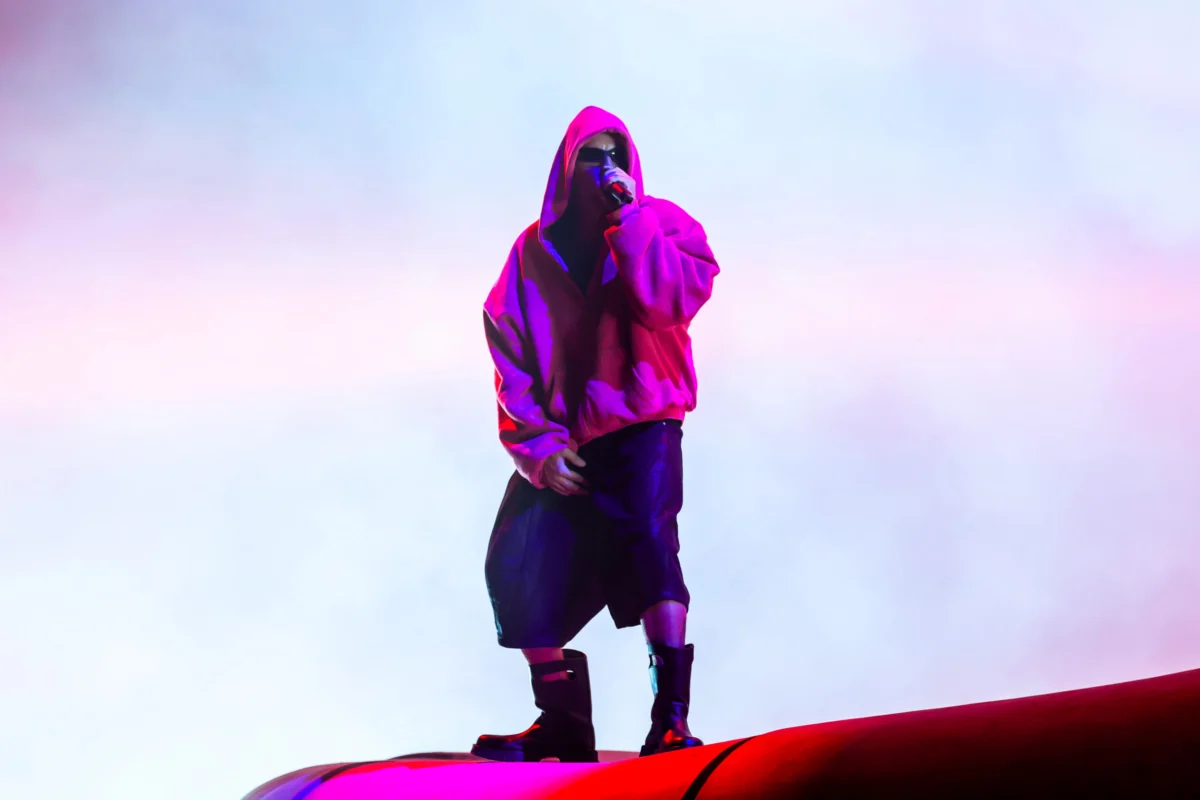
During his highly anticipated headline performance at the Coachella Valley Music and Arts Festival, pop superstar Justin Bieber captivated audiences not solely with his musical prowess, but with an unconventional segment that saw him directly engaging with YouTube content from his laptop on stage. This unique presentation, which reportedly commanded a $10 million fee, sparked widespread speculation regarding the artist’s ability to perform his older catalog, fueled by reports suggesting he had recently divested his music rights. However, a closer examination of music industry practices and expert opinions reveals that Bieber’s use of YouTube was not dictated by ownership of his intellectual property, but rather by a deliberate artistic choice intertwined with the mechanics of performance licensing.
Bieber’s Coachella set, marking a significant return to solo headline performances after an extended hiatus, featured a distinctive segment where he accessed and played snippets of his early hits directly from YouTube. The massive stage screens displayed the YouTube interface as Bieber navigated the platform in real-time, selecting and showcasing videos of tracks such as "Baby," "Favorite Girl," "That Should Be Me," "Beauty and a Beat," and "Never Say Never." This nostalgic interlude, which also included vintage clips of his own juvenile performances and covers, was framed by Bieber himself as a journey to explore his artistic origins, acknowledging his foundational connection with the platform that first propelled him to global fame. The inclusion of such a direct and personal engagement with YouTube content, from his meteoric rise as a discovery to this major festival appearance, underscored the platform’s enduring influence on his career trajectory.
The narrative surrounding Bieber’s performance quickly became intertwined with the news of his December 2022 sale of his entire music catalog to Hipgnosis Song Management, now known as Recognition Music Group. Initial reports, notably from the Daily Mail, posited that this sale was the direct reason behind his perceived inability to perform his older songs in their entirety, suggesting it might have influenced a focus on newer material. This interpretation, however, overlooks the fundamental legal and operational frameworks governing music performance rights. While the sale transferred ownership of the publishing copyrights and master recordings, it did not inherently restrict Bieber’s ability to perform these works live.
Legal experts and industry analysts strongly refute the notion that the catalog sale imposed limitations on Bieber’s live performance capabilities. According to Daniel J. Schacht, an attorney specializing in intellectual property, music, and entertainment law, the sale of a music catalog does not preclude the original artist from performing their songs. He emphasizes that such a restriction would be highly unusual and is not believed to be part of Bieber’s specific agreement. The core of live music performance licensing lies with public performance rights, which are managed by Performance Rights Organizations (PROs) such as ASCAP, BMI, and SESAC in the United States. Venues like Coachella secure blanket licenses from these organizations, granting them permission to publicly perform a vast repertoire of music. Under these licenses, artists are generally free to perform any song within the licensed catalog, regardless of who currently owns the underlying copyrights or master recordings.
James Grimmelmann, a professor of digital and information law at Cornell Tech and Cornell Law School, further clarifies this distinction, stating that the sale of publishing copyrights and master recordings does not equate to a prohibition on live performance. The critical copyright in question for live performances is the public performance right. While the new owner, Recognition Music Group, is now entitled to receive royalties generated from these public performances, this entitlement does not extend to preventing the artist from performing the songs. The existing licensing structure ensures that venues and artists can operate within legal boundaries without direct negotiation for each individual song performed.
The business logic behind such a sale also militates against any performance restrictions. For Recognition Music Group, an increase in the attention and streams directed towards the original works—whether through live performances, associated media, or direct engagement with older content—is a net positive. It enhances the value of the catalog they have acquired. Therefore, any hypothetical clause that would prevent the artist from performing their own catalog would be counterproductive to the economic interests of the catalog owner. Sources close to the catalog sale have corroborated this perspective, labeling claims of performance restrictions as "nonsense" and confirming that no such limitations exist in Bieber’s agreement.
Beyond the legal and financial implications, Bieber’s embrace of YouTube during his performance speaks to a broader cultural shift and his unique artistic journey. His ascent to stardom was intrinsically linked to the viral success of videos uploaded to YouTube by his mother. This early digital footprint laid the groundwork for his global career. His decision to revisit these foundational moments on the Coachella stage, by directly accessing and showcasing the very platform that launched him, served as a meta-commentary on his career arc and the evolving landscape of music discovery and consumption.
The chosen YouTube clips extended beyond musical performances, encompassing a curated selection of memorable and often humorous moments from Bieber’s public life. These included a viral clip of him walking into a glass door, a stage fall, an amusing interaction with a paparazzo where he asserts he is "standing on business," the "Deez Nuts" meme video, and the iconic "double rainbow" video. These selections, interspersed with musical interludes, transformed the performance into a multi-dimensional retrospective, blending his musical legacy with his cultural presence and personal narrative. Bieber’s self-aware commentary, such as his quip about being "pulled into the deep dark web" during the double rainbow segment, further underscored the playful and self-referential nature of this part of the show.
The utilization of YouTube content within a high-profile live performance at Coachella highlights several significant trends in the contemporary entertainment industry. Firstly, it underscores the increasing integration of digital platforms into traditional live events, blurring the lines between online and offline experiences. Secondly, it demonstrates the power of nostalgia and the enduring appeal of an artist’s early work, even as they evolve and mature. By directly engaging with the visual and auditory artifacts of his past, Bieber not only connected with long-time fans who witnessed his rise but also provided a comprehensive and entertaining overview for newer audiences.
Furthermore, this unconventional approach can be viewed as a strategic artistic choice to create a distinct and memorable Coachella experience. In an era where headline performances are meticulously choreographed and often criticized for being predictable, Bieber’s segment offered a refreshing dose of spontaneity and authenticity. It allowed him to connect with the audience on a more personal level, acknowledging the shared history and cultural touchstones that have defined his career. The use of YouTube, a platform inherently associated with user-generated content and viral moments, injected an element of relatable, almost informal, interaction into the grandeur of a festival stage.
The implications of Bieber’s Coachella performance extend beyond his personal career narrative. It serves as a case study for artists navigating the complexities of music rights in the digital age. While the ownership of music catalogs has become a significant financial transaction, particularly for established artists, the ability to perform one’s own work remains a fundamental aspect of their artistic expression and career longevity. The expert consensus is clear: the sale of a catalog does not extinguish an artist’s right to perform their songs live, provided the venue has appropriate public performance licenses.
Looking ahead, this incident may encourage artists and their legal teams to proactively address any potential misunderstandings or public misinterpretations regarding music rights and performance capabilities. It also reinforces the crucial role of PROs in facilitating widespread musical access for both performers and audiences. The entertainment industry continues to evolve, with digital platforms and complex ownership structures becoming increasingly prevalent. Events like Bieber’s Coachella set, while seemingly unconventional, ultimately shed light on the underlying mechanisms that allow music to be created, owned, and, crucially, performed. The narrative that emerged from the festival stage was not one of artistic constraint due to a catalog sale, but rather a creative reimagining of an artist’s relationship with their own history, amplified by the very digital tools that facilitated their initial breakthrough.

 Safa Marwah
 Ayu Aulia
 Lisa Mariana