Aura Kasih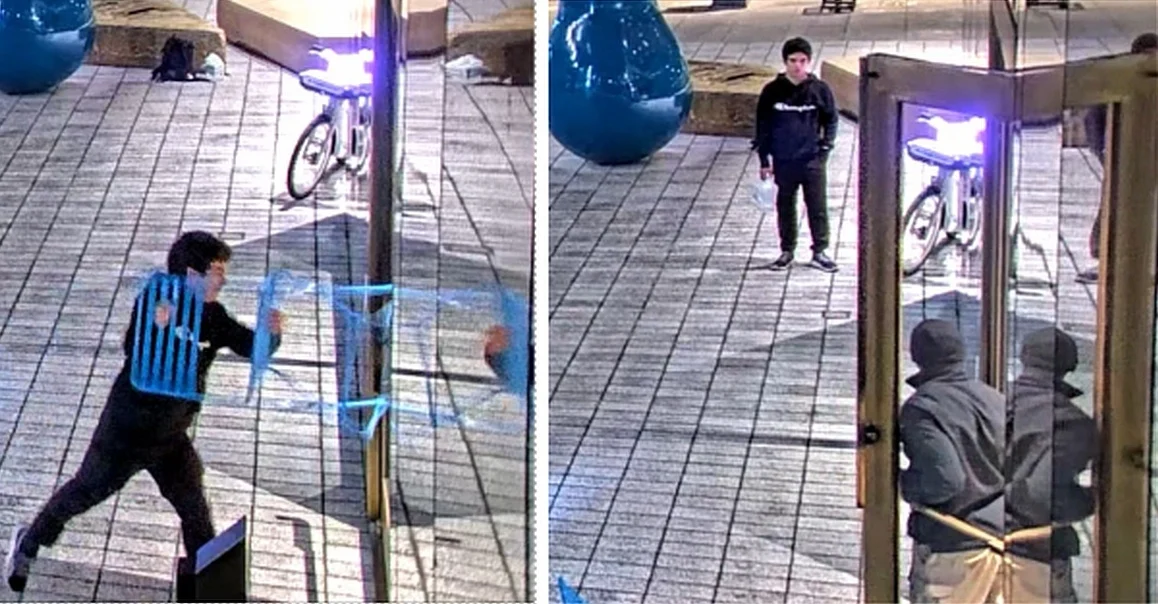
A Texas man now faces serious federal accusations following an alleged multi-pronged attack targeting OpenAI CEO Sam Altman and the company’s San Francisco headquarters. The individual, identified as Daniel Moreno-Gama, is accused of traveling across state lines with premeditated intent to commit violence, culminating in an incident involving an incendiary device at Altman’s residence and a subsequent attempted breach of OpenAI’s corporate offices. This incident has amplified concerns within the technology sector regarding the potential for extremist ideologies to manifest into real-world threats against prominent figures and critical infrastructure.
The gravity of the charges stems from the alleged planning and execution of acts intended to cause significant harm and disruption. Prosecutors have detailed that Moreno-Gama, after arriving in California, first targeted Altman’s private residence, where he reportedly deployed a Molotov cocktail. This act of aggression was allegedly followed by a direct confrontation at OpenAI’s headquarters, where, according to legal filings, the suspect attempted to force entry by striking the building’s glass doors with a chair. During this attempted intrusion, Moreno-Gama is reported to have made explicit threats, stating his intention to "burn down the location and kill anyone inside."
The Department of Justice has outlined the federal charges against Moreno-Gama, which include attempted damage and destruction of property by means of explosives and possession of an unregistered firearm. These charges carry substantial potential penalties, with the former carrying a maximum sentence of twenty years imprisonment and the latter ten years. The presence of these charges underscores the severity with which federal authorities are treating the alleged actions, recognizing the potential for widespread panic and damage.
Further exacerbating the alleged criminal enterprise, investigators discovered a document within Moreno-Gama’s possession titled "Your Last Warning." This manifesto, purportedly authored by the suspect, is reported to articulate a strong anti-artificial intelligence stance and advocates for violent acts, including murder, against leaders and investors within the AI industry. The document’s content appears to be part of a broader communication strategy, as evidence suggests a similar document was emailed to individuals at Moreno-Gama’s former college in Texas on the same day as the alleged attacks.
The document, described as a three-part series, delves into the author’s opposition to AI development and its perceived threats to humanity. The first part, "Your Last Warning," explicitly claims responsibility for the attempted or completed killing of "Victim-1," understood to be Sam Altman, and declares a personal commitment to leading by example in advocating for violence against AI executives. It reportedly includes a list of names and addresses of individuals associated with AI companies and investment firms. The second part, "Some more words on the matter of our impending extinction," elaborates on the perceived existential risks posed by artificial intelligence. The third section, a letter addressed to "Victim-1 if you make it," suggests a conditional hope for redemption should the target survive the alleged attack.
This incident brings to the forefront the escalating tensions and anxieties surrounding the rapid advancements in artificial intelligence. As AI technologies become more sophisticated and integrated into various facets of society, a vocal segment of the population has expressed profound concerns about their ethical implications, potential for misuse, and long-term societal impact. These concerns range from job displacement and algorithmic bias to the more speculative, yet widely discussed, risks associated with superintelligence and existential threats. While these debates are crucial for responsible AI development, the alleged actions of Daniel Moreno-Gama represent a disturbing escalation from philosophical discourse to alleged acts of violent extremism.
The targeting of Sam Altman, a pivotal figure in the AI landscape and co-founder of OpenAI, underscores the symbolic weight attributed to leaders in this rapidly evolving field. Altman has been instrumental in pushing the boundaries of generative AI, leading the development of models like GPT-3, GPT-4, and DALL-E, which have captured global attention and sparked widespread discussion about the future of human-computer interaction and creativity. His prominence makes him a natural focal point for both proponents and detractors of advanced AI. The alleged attack highlights the vulnerability of even highly visible and well-protected individuals within the tech industry to motivated individuals who perceive them as architects of potentially dangerous technologies.

OpenAI, as a leading research organization dedicated to ensuring that artificial general intelligence benefits all of humanity, operates at the forefront of AI innovation. The company’s mission, while aspirational, also places it under intense scrutiny. The alleged attempt to breach its headquarters signifies a direct assault on an institution considered central to the future trajectory of AI research and development. Such an incident can have far-reaching implications for the operational security and psychological well-being of its employees, as well as for the broader AI community. It raises critical questions about the physical security measures required to protect not only individuals but also the physical infrastructure housing some of the world’s most advanced AI systems.
The "incendiary devices," "jug of kerosene," and lighter found in Moreno-Gama’s possession, coupled with the document outlining his anti-AI sentiments, paint a picture of a planned and deliberate act. The reference to "possession of an unregistered firearm" also suggests a preparedness for violence that extends beyond the immediate use of the Molotov cocktail. The legal framework surrounding such charges is designed to deter individuals from engaging in acts that could lead to mass casualties or widespread destruction. The federal nature of the charges indicates that the alleged actions are seen as impacting interstate commerce or national security, given the potential for significant disruption to a key industry.
The broader context of this event also includes the increasing polarization surrounding technological progress. While many celebrate AI’s potential to solve complex problems, enhance productivity, and drive economic growth, a counter-narrative of alarm and apprehension has gained traction. This narrative often focuses on potential negative consequences, such as mass unemployment due to automation, the amplification of misinformation and propaganda, and the development of autonomous weapons systems. Fringe elements within this discourse can, in extreme cases, translate into radicalized ideologies, as potentially evidenced by the document attributed to Moreno-Gama.
Analyzing the document’s structure and content provides insight into the alleged perpetrator’s mindset. The declaration of intent to "kill and commit crimes" against AI leaders, framed as leading by example, suggests a belief in the righteousness of his cause and a willingness to take direct action. The multi-part format could indicate a methodical approach to articulating his grievances and justifying his alleged actions. The inclusion of names and addresses of industry figures points to a potential desire for broader impact or to incite further action from like-minded individuals. The letter to Altman, conditional on his survival, adds a layer of complexity, perhaps reflecting a twisted sense of moral imperative or a desire for acknowledgment.
The investigation into Daniel Moreno-Gama’s background and motivations will likely be extensive. Authorities will seek to understand the timeline of his radicalization, his connections to any anti-AI groups or individuals, and the extent of his planning. The recovery of the document is a critical piece of evidence, providing direct insight into his alleged intent and ideological framework. This type of evidence is crucial in federal prosecutions, particularly in cases involving terrorism or politically motivated violence, as it can establish intent and premeditation.
The implications of this incident extend beyond the immediate legal proceedings. It serves as a stark reminder of the security challenges faced by the technology sector, particularly companies at the vanguard of transformative innovations. The combination of physical threats and ideological opposition necessitates a multi-faceted approach to security, encompassing not only robust physical protection but also diligent monitoring of online discourse and the proactive identification of potential threats. Furthermore, it highlights the need for ongoing dialogue between AI developers, policymakers, and the public to address legitimate concerns and foster a more informed understanding of AI’s benefits and risks.
Looking ahead, this event is likely to prompt increased security measures at AI companies and for prominent figures in the field. It may also spur further discussion on the responsibility of social media platforms and online communities to mitigate the spread of extremist rhetoric related to technology. The legal ramifications for Moreno-Gama will depend on the strength of the evidence presented and the interpretation of the law by the courts. However, the charges themselves signal a clear message from law enforcement and the judiciary regarding the serious consequences of translating anti-technology sentiments into acts of violence. The incident underscores the complex and often fraught relationship between rapid technological advancement and societal apprehension, a dynamic that will continue to shape the discourse and security landscape of the AI era.



 Safa Marwah
 Ayu Aulia
 Lisa Mariana