Lisa Mariana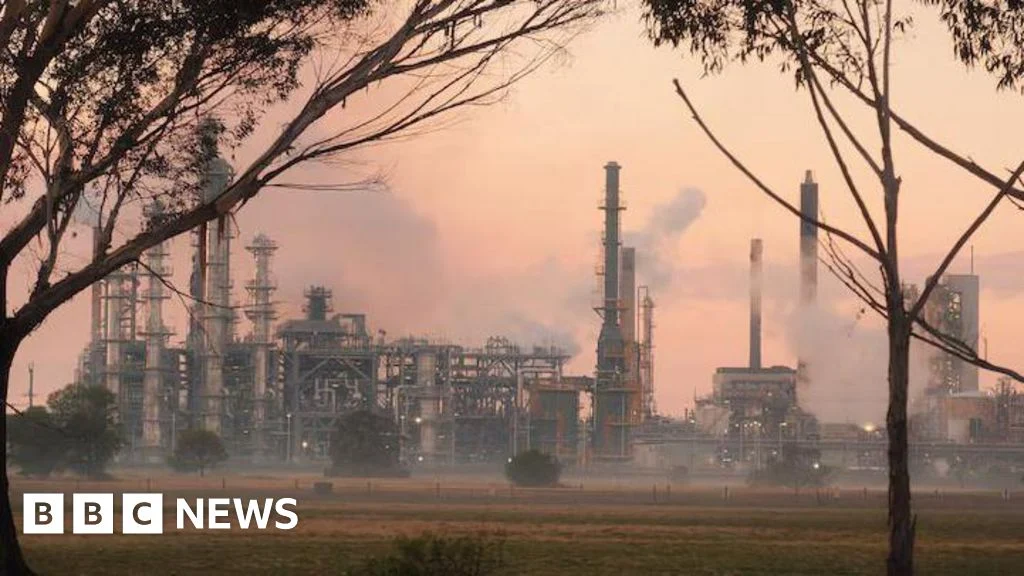
A significant industrial conflagration at a crucial oil refining facility in Geelong, Victoria, has escalated concerns regarding Australia’s energy independence and the stability of its domestic petroleum supplies, occurring amidst a period of heightened global fuel market instability. The incident, which saw emergency services respond to multiple reports of explosions and extensive flames at Viva Energy’s Corio refinery just before midnight on Wednesday, casts a shadow over the nation’s capacity to maintain consistent fuel availability. While immediate casualties were averted, the ongoing inferno and its subsequent impact on operations are poised to reverberate through national supply chains, particularly affecting the availability and pricing of petrol.
The Corio refinery, strategically located southwest of Melbourne, holds immense importance for Victoria, supplying approximately 50% of the state’s total fuel requirements, and contributes a substantial 10% to Australia’s overall fuel production capacity. This makes any disruption to its operations a matter of national economic and logistical concern. Initial reports from Fire Rescue Victoria attributed the origin of the blaze to "equipment failure," triggering an immediate and thorough investigation into the precise circumstances leading to the incident. While some sections of the facility remain partially operational, continuing to produce jet fuel and diesel at reduced rates under stringent safety protocols, the production of petrol has been significantly curtailed. This operational impairment directly correlates with government warnings about an imminent impact on the national petrol supply.
The timing of this incident could scarcely be less opportune for Australia. The global energy landscape has been grappling with significant turbulence, driven by a confluence of geopolitical tensions and supply chain vulnerabilities. International crude oil markets have experienced considerable volatility, leading to upward pressure on refined product prices worldwide. Australia, a net importer of refined fuels, is particularly susceptible to these global shifts. Energy Minister Chris Bowen acknowledged the gravity of the situation, remarking on the "not great timing" given existing pressures on the nation’s fuel infrastructure. This pre-existing vulnerability has been exacerbated by recent spikes in fuel costs, with diesel prices reportedly doubling in some regions and isolated instances of panic buying being observed at fuel stations. The aviation sector, a significant consumer of jet fuel, has also felt the pinch, with several airlines announcing service reductions in response to escalating operational costs.
Australia’s reliance on imported refined fuels, predominantly from regional hubs like Singapore, South Korea, and Malaysia, has long been a subject of strategic debate. While this diversified import strategy typically offers a degree of resilience against localized domestic disruptions, the current incident at Geelong, coupled with the existing global fuel crunch, significantly narrows the nation’s buffer against supply shocks. Experts like Professor Yuan Chen from the University of Sydney have previously highlighted the benefits of this diversified supply chain in mitigating short-term domestic issues. However, as Swinburne University of Technology’s Hussein Dia articulated, the current scenario means that while "people will not run out of fuel tomorrow," the country’s capacity to absorb further shocks has been markedly diminished. The incident underscores the fragility inherent in a system heavily dependent on external factors and a limited domestic refining capacity.
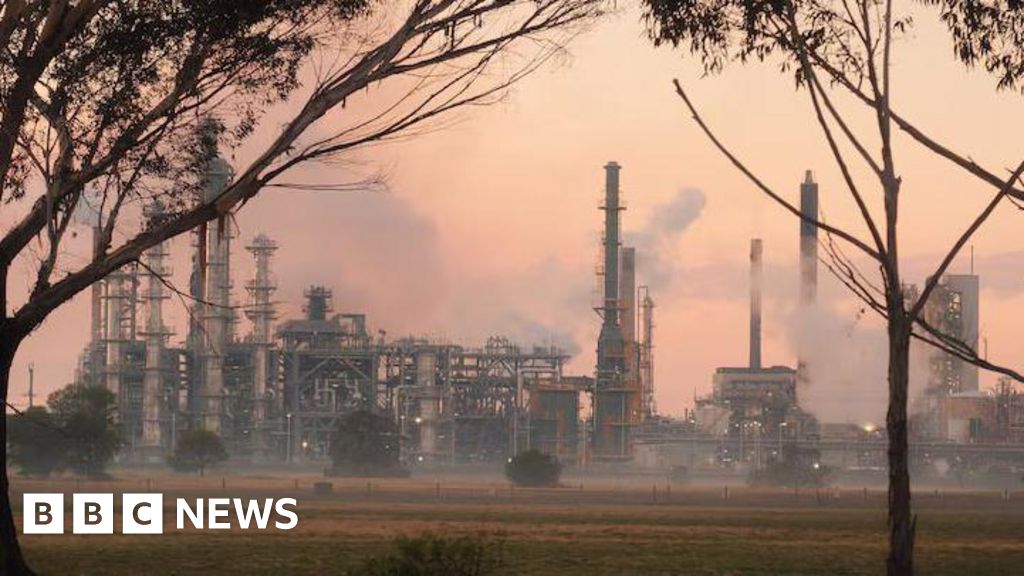
The Viva Energy facility in Geelong is a complex industrial site, processing approximately 120,000 barrels of crude oil daily and employing over 1,100 personnel. The safety of these workers was paramount during the emergency. Ronnie Hayden, state secretary of the Victorian branch of the Australian Workers’ Union, confirmed that between 50 and 100 workers were present at the refinery when the fire erupted and were successfully evacuated without injury. This rapid and effective evacuation highlights the robust emergency protocols in place at such critical infrastructure sites. Scott Wyatt, Chief Executive of Viva Energy, emphasized that the immediate priority was "getting the site safe," rather than resuming full production. He confirmed that while two petrol production units were affected, other critical units remained undamaged. The decision to gradually increase production only "once we’re confident we can do that safely" reflects the stringent safety culture necessary for managing such hazardous operations.
The environmental implications of such a large-scale industrial fire are also a significant concern. Local authorities, including Fire Rescue Victoria, have issued warnings regarding air quality in the vicinity of the refinery. The continuous combustion of petroleum products can release a range of airborne pollutants, necessitating ongoing monitoring to assess potential health impacts on nearby communities. Geelong Mayor Stretch Kontelj described the fire as "unprecedented" for the region, noting that its intensity presented significant challenges for firefighters, who were largely restricted to containment and monitoring as the blaze was allowed to "burn out" in a controlled manner. This strategy is often employed in large hydrocarbon fires where direct extinguishment poses greater risks or is impractical due to the fuel source. The mayor’s comments reflected the deep shock felt within the local community and among refinery management.
Beyond the immediate crisis management, the Geelong incident ignites broader discussions about Australia’s long-term energy security strategy. With only two major oil refineries remaining operational in the country (the other being Ampol’s Lytton refinery in Queensland), the vulnerability of the domestic fuel supply chain is acutely exposed. This event serves as a stark reminder of the critical importance of these facilities, not just for economic stability but also for national resilience. Policymakers will likely face renewed calls to re-evaluate strategic fuel reserves, explore options for enhancing domestic refining capabilities, and further diversify import pathways to mitigate future risks. Investment in infrastructure resilience, alongside a continued push towards renewable energy sources, forms a critical dual approach to fortifying Australia’s energy future.
The economic ramifications extend beyond the immediate price at the pump. Increased fuel costs translate into higher operational expenses for businesses across various sectors, including transportation, logistics, agriculture, and manufacturing. This upward pressure on input costs can contribute to broader inflationary trends, impacting the cost of living for all Australians. The incident, therefore, is not merely a localized industrial accident but a potential catalyst for macroeconomic ripples across the national economy. The government’s ongoing engagement with Viva Energy, as highlighted by Minister Bowen, underscores the national significance of the event and the collaborative efforts required to manage its fallout.
In conclusion, the major fire at the Viva Energy refinery in Geelong represents a multifaceted challenge for Australia. While emergency services have commendably contained the immediate threat to life, the incident has unearthed profound questions regarding the nation’s energy security, particularly its reliance on a limited domestic refining capacity and volatile international markets. The operational disruption, though initially focused on petrol production, carries the potential for wider economic consequences, impacting consumers and businesses alike. As investigations into the cause proceed and recovery efforts commence, the incident serves as a critical juncture for Australia to reassess and reinforce its energy resilience strategies, ensuring a more robust and secure fuel future in an increasingly unpredictable global landscape. The coming weeks will be crucial in determining the full extent of the damage, the timeline for a return to full capacity, and the long-term policy adjustments that may emerge from this unprecedented event.




 Aura Kasih
 Safa Marwah
 Ayu Aulia