Lisa Mariana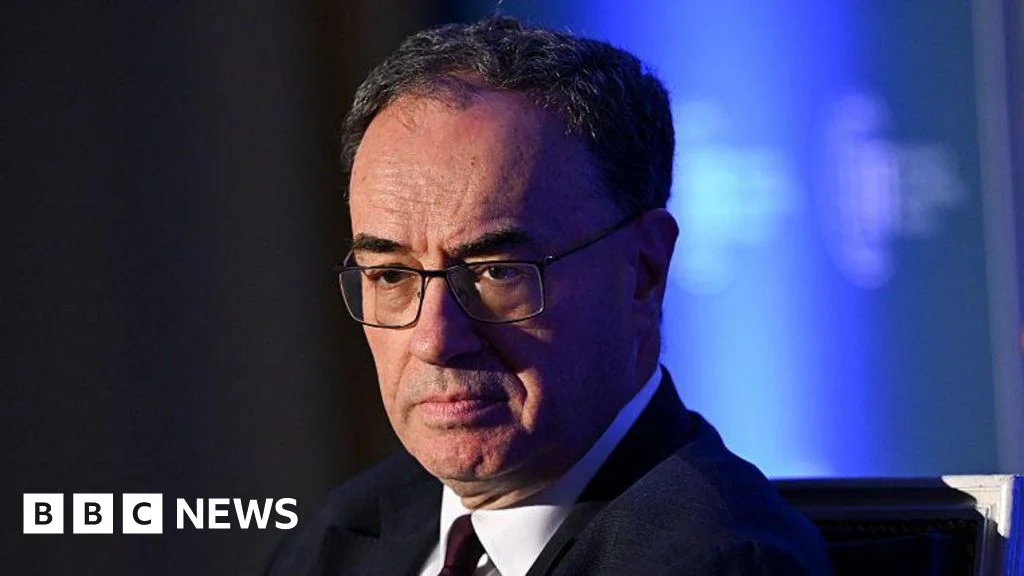
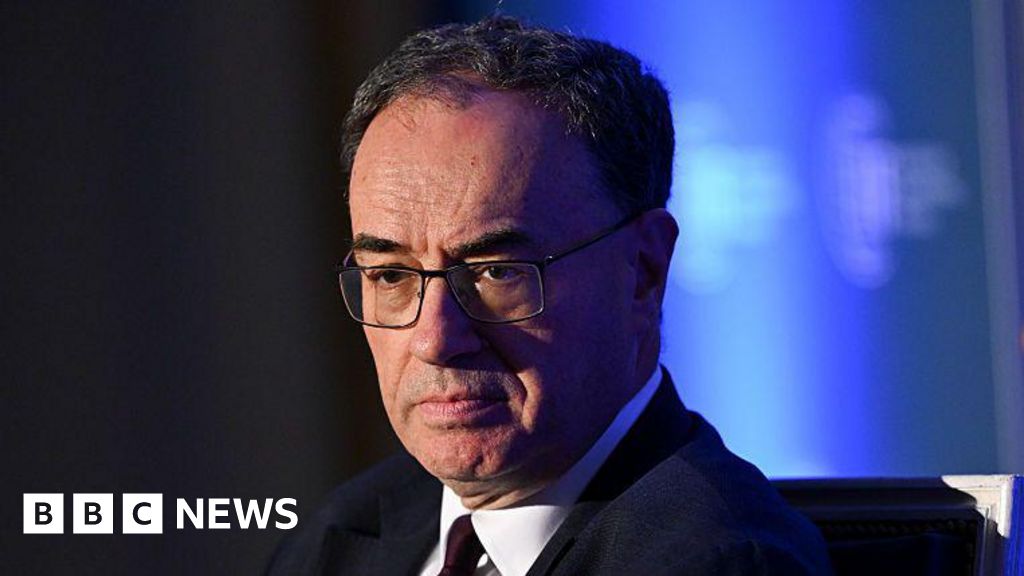
The Governor of the Bank of England, Andrew Bailey, has articulated a measured approach to potential adjustments in interest rates, emphasizing that the central bank will not precipitously alter its monetary policy stance despite a profound global energy crisis exacerbated by recent geopolitical tensions. This declaration arrives as the international financial community grapples with the intricate economic ramifications of an intensifying Middle East conflict, which has propelled commodity prices upwards and introduced significant uncertainty into the global outlook.
Speaking from the International Monetary Fund (IMF) spring meetings in Washington, Mr. Bailey acknowledged the undeniable inflationary pressures stemming from elevated oil and gas prices. These increased costs are expected to permeate various sectors of the economy, inevitably translating into higher consumer prices. However, the Bank’s Monetary Policy Committee (MPC) faces a multifaceted challenge, with numerous countervailing factors complicating the decision-making process ahead of its crucial meeting scheduled for April 30. The confluence of supply-side shocks and potential demand-side weaknesses creates a complex landscape for policymakers, demanding careful deliberation rather than impulsive action.
The IMF itself has recently cautioned central banks worldwide against premature tightening of borrowing costs, an advisory the Bank of England Governor affirmed his institution is taking seriously. This guidance underscores a global recognition of the unique nature of the current economic headwinds, where traditional monetary policy responses might prove less effective or even counterproductive. The prevailing wisdom suggests that while inflation is a concern, an overzealous application of interest rate hikes could stifle already fragile economic growth, pushing economies into recessionary territory.
Prior to the escalation of the conflict involving US-Israeli forces and Iran approximately six weeks ago, market analysts and economists largely anticipated a trajectory of interest rate reductions by the Bank of England throughout the current year. This expectation was predicated on emerging signs of a cooling labour market and an apparent easing of price pressures, indicating that inflationary impulses might be subsiding. However, the abrupt shift in the geopolitical landscape and the subsequent surge in energy prices have dramatically altered this outlook, prompting widespread speculation that the Bank may now opt to hold rates steady or, in a more hawkish scenario, even consider further increases.
Central banks typically employ interest rate adjustments as a primary tool to manage inflation and stimulate economic activity. When inflation runs rampant, raising interest rates is a conventional strategy to curtail demand by making borrowing more expensive, thereby cooling the economy. Conversely, during periods of sluggish economic growth, rates are often lowered to encourage borrowing and spending, injecting dynamism into the economy. The current predicament, however, presents a challenging dichotomy: higher energy prices possess the dual capacity to both fuel inflation and simultaneously impede economic growth, creating a "stagflationary" risk that complicates the Bank’s mandate. Navigating this delicate balance requires a nuanced and data-driven approach, avoiding a one-size-fits-all solution.
Mr. Bailey articulated the inherent difficulties in forming definitive policy judgments, emphasizing the significant uncertainties surrounding the conflict’s progression and its eventual transmission mechanisms into the UK economy. He stressed the imperative of not rushing to conclusions, given the evolving nature of both the geopolitical situation and its economic fallout. The Bank is keenly observing how these global developments will manifest domestically, particularly concerning their impact on price stability and overall economic activity. This wait-and-see posture reflects a strategic patience, allowing for clearer signals to emerge from the market and real economy before committing to a definitive policy path.
Before the recent conflict, there were indeed indications that the domestic labour market was exhibiting signs of softening, and businesses were encountering increased resistance in passing on higher costs to consumers. These trends were interpreted as positive signals, suggesting that underlying inflationary pressures might not be as entrenched or persistent as previously feared. Such factors would typically provide scope for a more accommodative monetary policy. However, the Bank is now meticulously awaiting "meaningful data" and concrete evidence to assess how the ongoing conflict is specifically impacting the UK economy, particularly its influence on inflation expectations and aggregate demand. The absence of such robust data necessitates caution and a flexible policy framework.
The UK’s substantial reliance on gas as a primary energy source renders its economy particularly susceptible to global energy price volatility. This structural vulnerability means that any sustained disruption to energy supplies or significant price hikes will inevitably have a pronounced and direct impact on domestic households and businesses. Mr. Bailey highlighted that the "real determinant" of the economic impact would be the "duration" of the conflict. A short-lived disruption might be absorbed with manageable consequences, but a prolonged period of instability and elevated energy costs could inflict far more severe and lasting damage on economic stability and growth prospects.
Adding another layer of complexity to the global economic outlook, Kristalina Georgieva, the Managing Director of the IMF, raised concerns regarding the supply chains of other critical commodities beyond oil and gas. Her list included essential industrial inputs such as sulphur, urea, helium, and naphtha. These materials are fundamental to various manufacturing processes, agriculture, and high-tech industries. Disruptions in their supply, exacerbated by geopolitical tensions and trade restrictions, could trigger secondary inflationary waves and further impede global production, compounding the challenges faced by central banks and governments.
While acknowledging these significant pressures, Mr. Bailey expressed confidence in the current resilience of the global financial system. He noted that there is "a certain amount of resilience in the system," though he cautioned that this capacity could be exhausted if the conflict persists indefinitely. The faster a resolution can be achieved, particularly concerning the reliable supply of energy from the Gulf region, the more favorable the economic outcome will be. This emphasizes the critical intersection of geopolitical stability and economic prosperity, underscoring the urgency for diplomatic solutions.
In a rare moment of unequivocal positive news amidst the prevailing uncertainty, the Governor also offered reassurance regarding the robustness of the banking sector. He explicitly stated, "I do not have concerns about the banking system." This affirmation serves to highlight the effectiveness of post-2008 financial crisis regulatory reforms, which have significantly bolstered banks’ capital reserves and liquidity positions. While some critics have argued against what they perceive as excessive regulation, Bailey’s perspective is that "success is when nothing happens and it is resilient," implying that the current stability of the financial system is a direct result of these stringent measures. This resilience prevents a potential financial crisis from compounding the existing economic challenges.
For homeowners and prospective buyers grappling with the prospect of higher borrowing costs, Mr. Bailey suggested that the most effective strategy for providing stability involves pursuing "credible policies that deliver sensibly… over time." This encompasses both the independent monetary policy conducted by the central bank and the fiscal policy decisions made by the government regarding taxation and public spending. A cohesive and transparent approach from both arms of economic policy is essential for building public and market confidence, thereby anchoring expectations and fostering a more predictable economic environment.
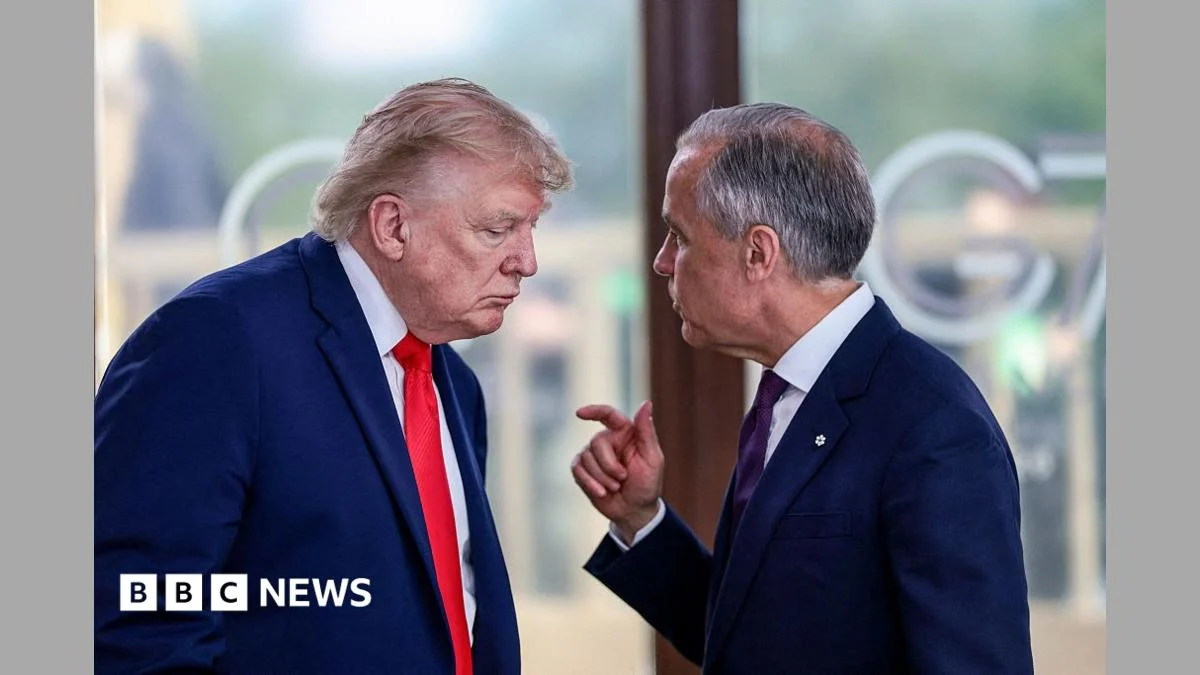
However, a divergent perspective emerged from US Treasury Secretary Scott Bessent, who suggested that a "small bit of economic pain" might be a justifiable trade-off for achieving long-term international security. Bessent controversially raised the hypothetical specter of Iran threatening the UK with nuclear missiles, positing that security considerations should ultimately outweigh immediate economic discomfort. This viewpoint underscores the complex interplay between economic policy and geopolitical strategy, particularly during times of heightened international tension.
In response to Bessent’s provocative assertion, a spokesperson for the UK government swiftly clarified, stating unequivocally that "there is no assessment Iran is trying to target Europe with missiles." This rebuttal aimed to de-escalate any misapprehensions regarding the immediate threat level. Meanwhile, the IMF reiterated its dire warning that the escalating conflict between US-Israel and Iran could plunge the global economy into a severe recession, with the United Kingdom specifically identified as one of the major economies most vulnerable to being hardest hit by such a downturn. The confluence of these warnings paints a somber picture of the economic road ahead, emphasizing the precarious balance policymakers must maintain in the face of unprecedented global challenges.



 Aura Kasih
 Safa Marwah
 Ayu Aulia