Lisa Mariana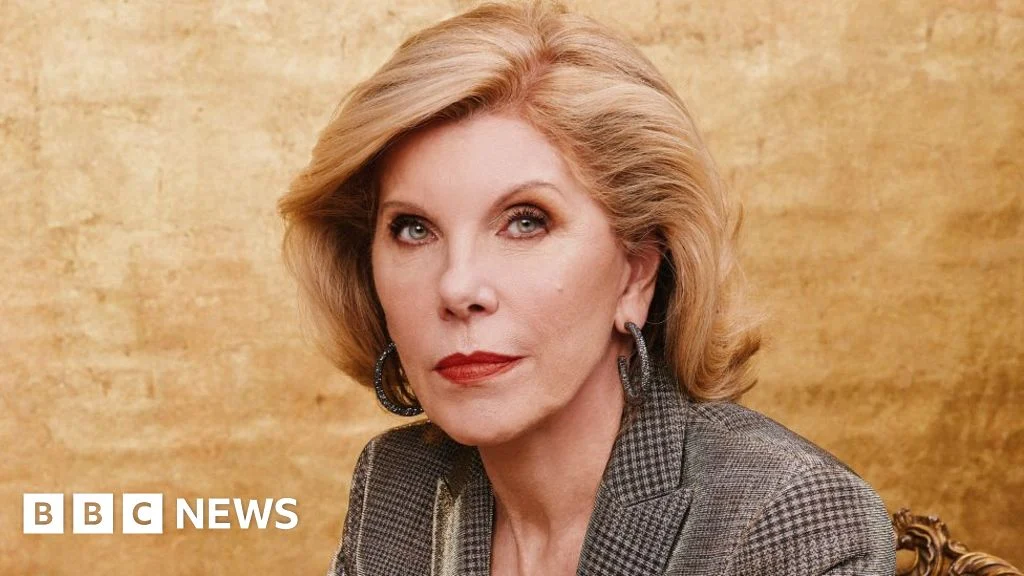
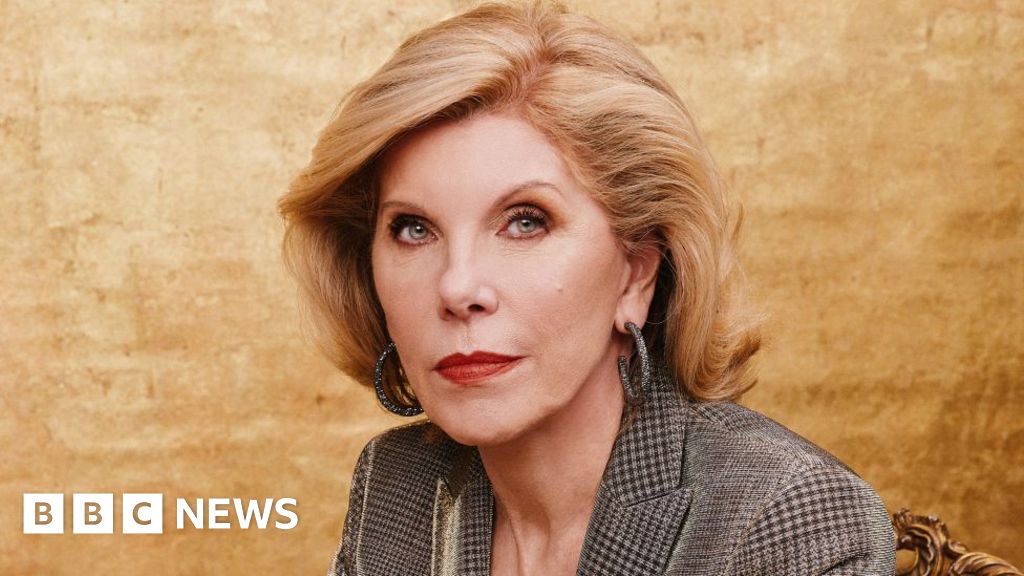
The London theatrical scene is abuzz with the highly anticipated announcement that two titans of stage and screen, Christine Baranski and Richard E Grant, will co-star in a fresh interpretation of Noel Coward’s quintessential comedy of manners, Hay Fever. This forthcoming production at the prestigious Wyndham’s Theatre marks a significant milestone for Baranski, who expresses profound excitement about making her long-awaited West End debut, while also heralding Grant’s much-anticipated return to the iconic London stage after a two-decade hiatus.
The celebrated American actress, Christine Baranski, a venerable figure with an illustrious career spanning decades, conveyed her deep personal connection to this upcoming engagement, describing it as the fulfillment of a long-held aspiration. At 73, Baranski’s foray into the esteemed London theatrical landscape is not merely another role but a cherished career ambition realized. She articulated a profound sense of privilege and enthusiasm regarding this late-career opportunity, emphasizing that a West End appearance has remained on her professional "bucket list" for an extensive period. In preparation for embodying her character, Baranski confirmed her diligent study of the role, ongoing memorization of lines, and dedicated efforts to perfect an English accent, signaling her commitment to delivering an authentic and nuanced performance.
Speaking from New York, Baranski elaborated on the intricate challenges her demanding filming commitments have historically posed, preventing her from dedicating the requisite time to a stage production. Her extensive and continuous work across film and television projects, notably including long-running series, has frequently made sustained theatrical runs impractical. However, the alignment of her schedule, concluding filming for the HBO period drama The Gilded Age in mid-August, has now created a felicitous window for Hay Fever rehearsals to commence mere days later. This timing is perceived as a unique convergence, enabling her to return to her theatrical origins. Baranski specifically highlighted the play’s appeal, noting its congruence with her "light comedy skills" and the prospect of collaborating with an ensemble cast committed to revitalizing Coward’s distinctive style.
Richard E Grant, known for his distinctive cinematic presence and versatile acting, voiced his profound pleasure at returning to the West End after an absence of twenty years. His statement conveyed a genuine delight in re-engaging with live theatre and expressed admiration for his co-star, describing Baranski as "sensational." Grant humorously acknowledged the play’s impressive longevity, noting its original West End premiere occurred over a century ago, underscoring its enduring appeal and classic status. This collaborative pairing of two such distinguished performers is expected to generate considerable interest and provide a compelling dynamic to Coward’s intricate dialogue.
The production is slated for a limited twelve-week engagement at the Wyndham’s Theatre, commencing on September 22. This concise run is typical for high-profile revivals featuring established stars, maximizing audience demand and accommodating the actors’ busy schedules. Emily Burns has been named as the director, promising a fresh interpretive lens on Coward’s classic work. The production is being brought to the stage by Wessex Grove and Gavin Kalin Productions, entities known for their commitment to quality theatrical endeavors.
Baranski’s professional trajectory represents a fascinating evolution from her foundational years as a dedicated theatre actress. She candidly recalled an initial disinclination towards television work, firmly viewing herself as primarily a stage performer. However, her career underwent a significant transformation in her early forties with her casting in the acclaimed 1990s American sitcom Cybill, starring Cybill Shepherd. This pivotal role propelled her into mainstream recognition and, to her surprise, opened doors to a succession of prominent film and television opportunities. This unexpected "U-turn" led to the latter half of her career being predominantly defined by her work in cinematic and televised productions.
Her extensive list of accolades includes multiple Emmy Award nominations for her portrayal of the formidable Diane Lockhart in the critically lauded legal drama The Good Wife, a character she reprised in its successful spin-off, The Good Fight. Beyond these iconic roles, Baranski’s impressive filmography encompasses acclaimed performances in musicals such as Mamma Mia! and Chicago, as well as diverse television appearances in series like Nine Perfect Strangers, Frasier, and The Big Bang Theory. Her current engagement in The Gilded Age further solidifies her reputation as an actress of remarkable range and enduring appeal, capable of navigating both comedic and dramatic landscapes with equal mastery.

Hay Fever, penned by the inimitable Noel Coward, stands as one of his most beloved and frequently revived comedies. The play masterfully chronicles the chaotic existence of the self-absorbed Bliss family: Judith, a retired actress; David, her novelist husband; and their bohemian offspring, Sorel and Simon. The narrative unfolds as each family member, without consulting the others, extends an invitation to a guest for a seemingly idyllic weekend retreat, inadvertently orchestrating a series of social mishaps and farcical misunderstandings. This intricate setup provides fertile ground for Coward’s characteristic wit and incisive social commentary.
Historically, the pivotal role of Judith Bliss, the theatrical matriarch, has predominantly been undertaken by British actresses, with Felicity Kendal’s performance in the 2015 West End revival being a notable recent example. The casting of an American actress in this role, therefore, represents a departure from recent tradition. However, this choice gains a rich historical resonance when considering the play’s origins. Coward himself conceived the character of Judith Bliss based on his observations of the eccentric American Broadway star Laurette Taylor. Coward was captivated by Taylor’s unconventional demeanor and her family’s famously abrupt interactions with houseguests during a dinner party in 1921. He later immortalized this experience, even humorously renaming Taylor’s husband, Hartley Manners, to "Hardly Manners" in his initial conceptualizations. Coward himself famously characterized Hay Fever as a "comedy of appalling manners," a descriptor that perfectly encapsulates the play’s central thematic concern with social etiquette and its often-hilarious subversion. Taylor, who passed away in 1946, reportedly maintained a playful distance from the portrayal, quipping, "None of us is ever unintentionally rude," a remark that further highlights the self-awareness and theatricality inherent in the Bliss family’s portrayal.
Baranski’s affinity for Coward’s work is not new; she proudly identifies as "something of a Cowardian," having previously appeared in other plays by the master playwright, including Fumed Oak, Private Lives, and Blithe Spirit. Her deep familiarity with his distinct style and cadence underscores her suitability for this role. She articulated her admiration for Coward’s dramatic prowess, particularly his "quicksilver delivery and suave flamboyance," qualities she finds immensely gratifying to perform. This long-standing engagement with Coward’s oeuvre positions her uniquely to interpret the complexities of Judith Bliss, a character who embodies many of the playwright’s signature traits.
The enduring popularity of classical plays, both in London’s West End and on Broadway, is attributed by Baranski to their rich linguistic tapestry. She articulated her profound enjoyment in "sinking my teeth into" the intricate dialogue these works offer. She posited that classical texts provide actors with a unique opportunity to master sophisticated language, enabling a nuanced delivery and a particular "spin to a sentence" that is often less prevalent in contemporary playwriting. This emphasis on linguistic precision and theatrical artistry speaks to the enduring appeal of such revivals for both performers and discerning audiences.
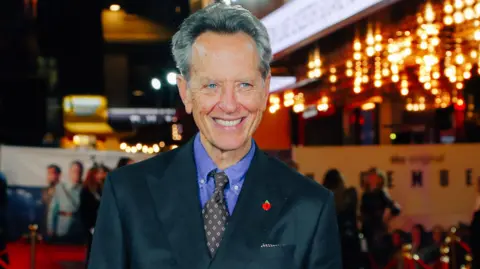
Richard E Grant, who achieved widespread recognition for his breakout role in the 1987 cult classic Withnail & I, has continued to build an impressive and varied career. His recent appearances in critically acclaimed films such as Saltburn and Nuremberg, alongside his upcoming role in The Thursday Murder Club, demonstrate his sustained relevance and versatility in the industry. While Baranski and Grant do not share an extensive personal history, their initial interaction via Zoom left a significant impression. Baranski described herself as "utterly captivated" by Grant, praising his intellect and sharp, "wickedly funny" wit. This initial rapport bodes well for their on-stage chemistry, a crucial element for the success of a dialogue-driven comedy like Hay Fever.
The collaboration of these two esteemed performers in a fresh production of a beloved Coward classic represents a significant event in the London theatrical calendar. The choice of Emily Burns to direct suggests a potentially innovative approach to the material, blending traditional reverence for Coward’s text with a contemporary directorial vision. The confluence of Baranski’s profound stage experience and her long-awaited West End debut, coupled with Grant’s anticipated return to the London stage, is poised to create a compelling and memorable theatrical experience. This production not only celebrates the enduring genius of Noel Coward but also reaffirms the timeless power of live performance, drawing in both seasoned theatregoers and new audiences eager to witness these celebrated talents inhabit one of English literature’s most delightful comedies of manners. The high-profile nature of this revival is expected to stimulate further interest in Coward’s extensive body of work, potentially paving the way for future reinterpretations of his insightful and enduring plays.



 Aura Kasih
 Safa Marwah
 Ayu Aulia