Aura Kasih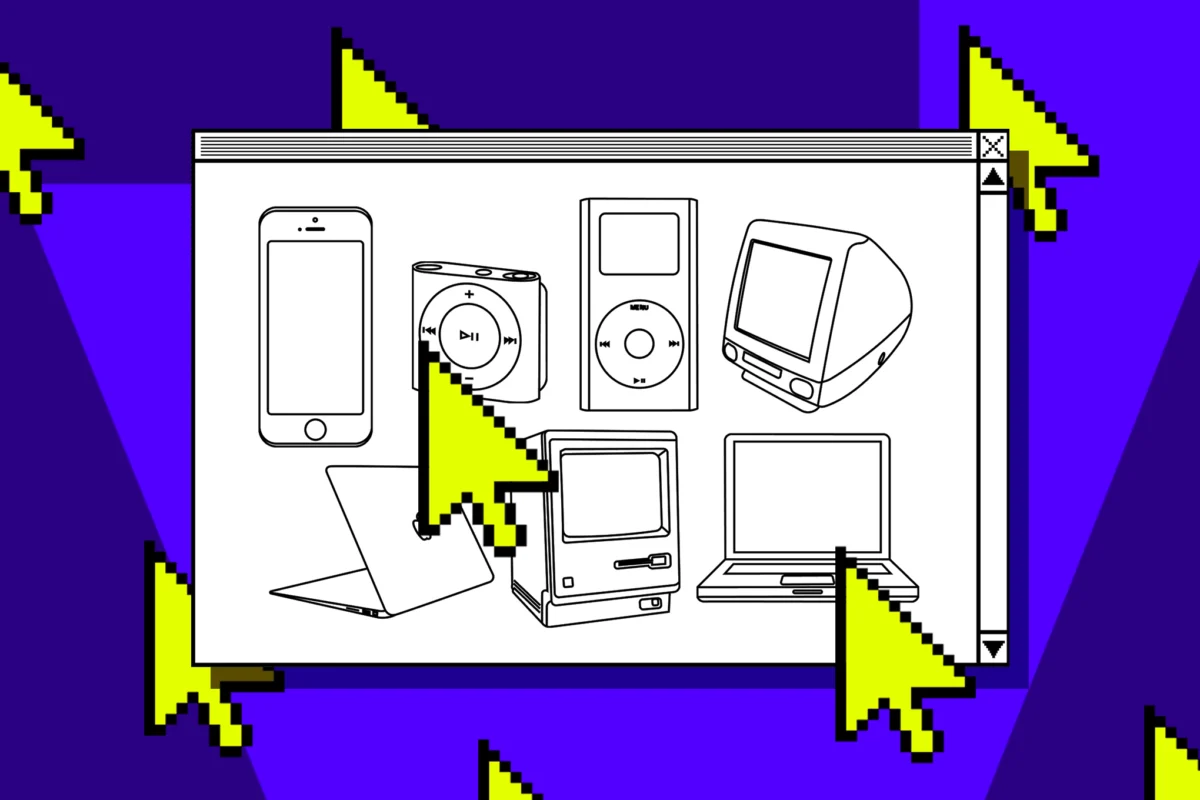
As the Cupertino-based technology titan approaches its golden jubilee, a comprehensive evaluation of its product lineage is imperative to contextualize its enduring influence on the digital landscape. This endeavor requires a structured methodology to identify and rank the 50 most significant contributions, a process that invites broad participation to reflect collective appreciation for these technological milestones.
The genesis of this extensive retrospective lies in a forthcoming platform designed to solicit user input for a definitive ranking of Apple’s greatest achievements. This initiative aims to distill decades of innovation into a curated list of 50 pivotal products, empowering the public to actively participate in shaping this historical narrative. The interactive system presents users with a comparative choice between two distinct Apple products, with each selection contributing to a dynamic, crowd-sourced consensus that will ultimately dictate the final order of the esteemed list. This democratic approach ensures that the ranking is not solely the product of internal deliberation but is informed by the resonance and perceived value of these creations among a global audience.
For those seeking a deeper understanding of the selection criteria and the intricate discussions that informed the initial compilation of the 50 products, a special extended broadcast of The Vergecast is available. This dedicated episode, accessible via an ad-free subscription feed for The Verge patrons, offers an in-depth exploration of the considerations, debates, and rationale behind each inclusion. This supplementary content provides valuable context for participants and highlights the intellectual rigor applied to the initial product selection process, setting the stage for the public ranking phase.
The selection of these 50 products is not arbitrary; it represents a deliberate attempt to encapsulate the breadth and depth of Apple’s transformative impact across various technological domains. The list encompasses a spectrum of innovations, from the foundational personal computers that democratized computing to the pocket-sized devices that redefined mobile communication and entertainment, and the ecosystem-enabling software and services that have become integral to modern life. Each product, in its own right, represents a significant leap forward, either by introducing a novel concept, refining an existing technology to unprecedented levels of usability and desirability, or by fundamentally altering user behavior and industry standards.
The methodology underpinning the identification of these 50 products is multifaceted, drawing upon criteria such as market disruption, technological advancement, cultural impact, user adoption, and long-term legacy. Products that not only achieved commercial success but also catalyzed entirely new markets or redefined existing ones are given considerable weight. Similarly, innovations that pushed the boundaries of engineering, design, and user interface, setting new benchmarks for the industry, are central to the evaluation. The enduring influence of a product, measured by its ability to shape subsequent generations of technology and inspire competitors, also plays a crucial role in its consideration.
For instance, the original Macintosh, launched in 1984, is a prime candidate for inclusion due to its pioneering graphical user interface (GUI) and mouse-driven interaction. This innovation, revolutionary at the time, fundamentally changed how people interacted with computers, shifting the paradigm from command-line interfaces to intuitive visual metaphors. Its impact reverberated throughout the computing industry, influencing the design of operating systems and user interfaces for decades to come.
Another product likely to feature prominently is the iPod. Its introduction in 2001 did not merely offer a new way to listen to music; it democratized digital music consumption and paved the way for the modern digital media ecosystem. The iPod’s elegant design, intuitive interface, and the seamless integration with iTunes created an unparalleled user experience that made digital music accessible and desirable to the masses. It effectively dismantled the existing music distribution model and laid the groundwork for the digital revolution in entertainment.
The iPhone, arguably Apple’s most transformative product, would undoubtedly be a cornerstone of any such list. Its unveiling in 2007 redefined the smartphone category, merging the functionalities of a phone, an internet communicator, and an iPod into a single, elegant device. The iPhone’s multi-touch interface, its robust app ecosystem, and its continuous evolution have profoundly shaped how billions of people communicate, access information, and engage with the digital world. Its influence extends beyond personal devices, impacting industries from retail and transportation to healthcare and education.

Beyond hardware, Apple’s software and services have also been instrumental in its success. The macOS operating system, from its early iterations as System Software to its modern incarnation, has consistently provided a stable, user-friendly, and aesthetically pleasing computing environment. The App Store, launched alongside the iPhone 3G in 2008, revolutionized software distribution and created a vibrant economy for developers, fostering innovation and providing users with an unprecedented array of applications tailored to their needs. Services like iCloud have become essential for seamless device synchronization and data backup, underpinning the integrated Apple ecosystem.
The Apple Watch, while a later entrant, represents a significant foray into wearable technology. It has evolved from a fitness tracker to a comprehensive health and communication device, demonstrating Apple’s ability to innovate in emerging categories and integrate new technologies into its established product philosophy. Its focus on health monitoring, personalized insights, and convenient notifications has positioned it as a leader in the smartwatch market.
The development and refinement of Apple’s silicon, exemplified by the M-series chips, mark another pivotal area of innovation. These custom-designed processors have dramatically improved the performance, power efficiency, and capabilities of Mac computers, blurring the lines between mobile and desktop computing and enabling new levels of creative and professional productivity. This vertical integration of hardware and software design provides Apple with a distinct competitive advantage and allows for highly optimized user experiences.
The selection process for this list acknowledges that impact can be measured in various ways. Some products may be celebrated for their sheer technical brilliance and forward-thinking design, even if their initial market penetration was limited. Others might be recognized for their broad accessibility and democratizing effect, bringing sophisticated technology to a wider audience. The overarching goal is to create a nuanced and comprehensive representation of Apple’s journey, acknowledging both revolutionary breakthroughs and incremental yet profoundly influential improvements.
The interactive ranking system, therefore, serves as a crucial mechanism for calibrating these diverse forms of impact against the collective judgment of the user base. By pitting products against each other in a pairwise comparison, the system leverages the wisdom of the crowd to discern which innovations have resonated most deeply and left the most indelible marks. This crowdsourced approach ensures that the final ranking is not just an academic exercise but a reflection of how these products have genuinely shaped the lives and experiences of their users.
The implications of this retrospective extend beyond mere historical documentation. By examining the trajectory of Apple’s most successful products, one can glean insights into the core principles that have driven its innovation engine: a relentless focus on user experience, a commitment to elegant design, a willingness to challenge established norms, and a strategic integration of hardware, software, and services. These principles, consistently applied over five decades, offer a compelling case study for any organization seeking to achieve sustained technological leadership and cultural relevance.
Furthermore, understanding the evolution of Apple’s product portfolio provides a valuable lens through which to analyze the broader trends in consumer technology. The company’s ability to anticipate and shape consumer desires, to create entirely new product categories, and to foster deeply loyal user communities offers lessons in market creation, brand building, and ecosystem development.
As Apple continues to innovate and push the boundaries of what is technologically possible, this exercise in ranking its past achievements serves as both a celebration of its remarkable history and a foundational element for understanding its future direction. The insights gained from this comprehensive evaluation will undoubtedly inform discussions about the company’s ongoing trajectory, its potential for future disruptions, and its continued role in defining the technological landscape for generations to come. The act of ranking these 50 products is not just an exercise in nostalgia; it is an analytical process that illuminates the enduring principles and impactful innovations that have cemented Apple’s position as a titan of the technology industry.



 Lisa Mariana
 Safa Marwah
 Ayu Aulia