Lisa Mariana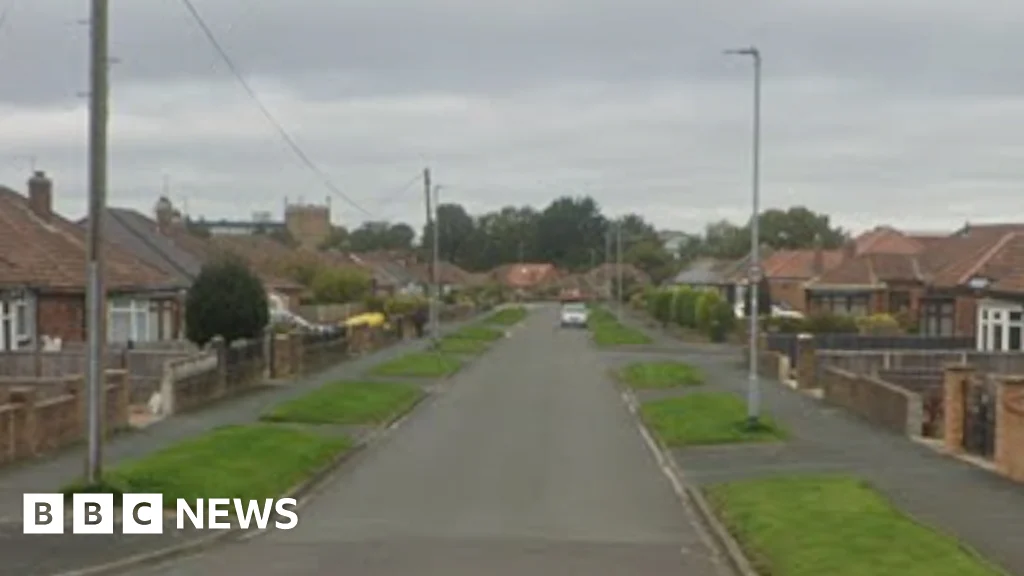
A profound sense of shock has enveloped the residential district of Austhorpe in Leeds following the initiation of a comprehensive murder investigation into the untimely demise of a young woman. Authorities from West Yorkshire Police were summoned to Kennerleigh Avenue in the early hours of Saturday morning, where they encountered an unconscious female who, despite immediate medical intervention, tragically succumbed to her severe injuries shortly after being transported to a local hospital. This distressing incident has prompted a swift and intensive police response, culminating in the apprehension of four individuals on suspicion of murder as detectives grapple with the intricate challenge of identifying the victim.
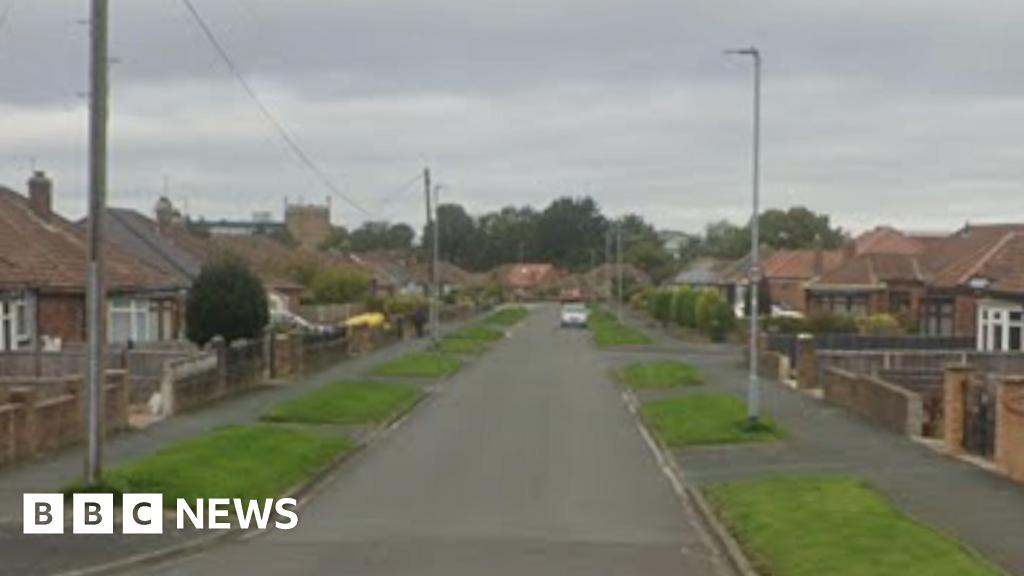
The unfolding events commenced precisely at 05:55 GMT on Saturday when emergency services were alerted to a grave situation on Kennerleigh Avenue, a typically tranquil thoroughfare within the suburban expanse of Austhorpe. Responding officers discovered a young woman in a critical condition, prompting an immediate call for paramedic assistance. The severity of her injuries necessitated her urgent transfer to a nearby medical facility. However, despite the best efforts of medical professionals, she was pronounced deceased within a short timeframe, transforming what began as a welfare check into a full-scale homicide inquiry. The rapid deterioration of her condition and subsequent death underscored the gravity of the injuries sustained, compelling law enforcement to escalate their response and deploy significant investigative resources.
In the immediate aftermath of the victim’s passing, West Yorkshire Police’s Homicide and Major Enquiry Team (HMET) assumed control of the investigation. The launch of a murder inquiry signifies the highest level of police response to a suspicious death, activating a structured and systematic approach to evidence collection, witness interviews, and suspect identification. The crime scene on Kennerleigh Avenue was promptly cordoned off, with forensic specialists commencing meticulous examinations to preserve and collect any pertinent physical evidence that could shed light on the circumstances leading to the young woman’s death. This critical initial phase is paramount for establishing the sequence of events, identifying potential weapons, and tracing the movements of individuals involved.
Within hours of the discovery, investigative efforts yielded significant progress, leading to the apprehension of four individuals in connection with the fatality. The suspects comprise two women, both aged 18, a 20-year-old man, and a 17-year-old male. All four were taken into custody on suspicion of murder, underscoring the swift action taken by law enforcement in a rapidly evolving and complex case. While these arrests represent a crucial development, the investigation remains in its nascent stages, and the individuals are currently subject to questioning. The involvement of multiple young adults and a minor in such a serious crime introduces additional layers of complexity for detectives, requiring careful consideration of potential motivations, relationships, and the legal frameworks applicable to juvenile offenders.
A central and particularly challenging aspect of this ongoing investigation is the inability of authorities to ascertain the victim’s identity. Detective Chief Superintendent Marc Bowes, leading the inquiry, highlighted this critical hurdle, stating that extensive enquiries throughout the initial day had yet to confirm who the young woman was. This lack of identification not only complicates the investigative process but also amplifies the tragedy, leaving a void for potential family or friends who may be unaware of her fate. In an urgent appeal to the public, detailed descriptions of the victim have been released in the hope that someone will recognise her and come forward. She is described as approximately 5ft 2ins (1.57m) tall, of slim build, with tanned skin. Investigators believe she was in her mid to late teens, possessing green eyes and brown hair that featured darker roots and blond ends. A distinctive physical characteristic noted was the presence of fixed metal braces on both her upper and lower teeth. The swift identification of the victim is crucial for several reasons: it allows for notification of next-of-kin, provides potential leads regarding her last known movements, and can offer insights into her social circle and any individuals she may have encountered prior to her death.
Detective Chief Superintendent Bowes further implored members of the public to assist the investigation by providing any information they might possess. He specifically urged anyone who was in the vicinity of Kennerleigh Avenue during the early hours of Saturday morning, or who may have observed any suspicious activity in the area, to contact the police. Public cooperation is often an indispensable component of major crime investigations, with seemingly minor details sometimes providing the critical link necessary to piece together a complex narrative. This call for vigilance extends to residents with private security cameras or dashcam footage from vehicles that may have traversed the area during the relevant time window.
The Austhorpe area of Leeds, where this tragic event occurred, is predominantly a residential suburb, characterized by its quiet streets and community-focused atmosphere. Such incidents invariably send ripples of concern and apprehension through local communities. Residents may experience heightened anxiety, and the presence of a significant police contingent, including forensic teams and uniformed officers conducting door-to-door enquiries, serves as a stark reminder of the disruption caused by serious crime. West Yorkshire Police, responsible for policing one of the largest metropolitan areas in the UK, possesses extensive experience in managing complex investigations, drawing upon a wealth of expertise in forensic science, digital forensics, and witness interviewing techniques. The force’s Major Enquiry Team is equipped to handle investigations of this magnitude, coordinating efforts across various specialist departments to ensure a thorough and methodical approach.
From an analytical perspective, homicide investigations, particularly those involving an unidentified victim and multiple young suspects, present profound complexities. The absence of a confirmed identity for the deceased creates an immediate vacuum, making it challenging to establish motive, victimology, and the precise timeline leading up to the incident. Forensic analysis will play a paramount role in this case. Beyond identifying the cause and time of death through a post-mortem examination, forensic scientists will meticulously examine the crime scene, clothing, and any items associated with the victim and suspects for DNA, fingerprints, trace evidence, and potential weapon residue. This evidence is critical for corroborating witness statements, establishing links between individuals, and ultimately constructing a robust case for prosecution. The collection and analysis of digital evidence, including mobile phone data, social media activity, and CCTV footage from the surrounding area, will also be crucial in mapping the movements and interactions of all parties involved in the hours preceding the discovery.
The involvement of young individuals, including a minor, as suspects raises broader societal questions regarding youth crime and the factors that contribute to serious offending. While the specific circumstances and motivations in this case remain subject to investigation, incidents involving young perpetrators often prompt discussions about peer influence, access to support services, socio-economic factors, and the effectiveness of preventative strategies. The justice system’s approach to juvenile suspects is distinct, emphasizing rehabilitation where appropriate, while also ensuring accountability for grave offenses. For the 17-year-old suspect, specific legal provisions and considerations relating to minors will apply throughout the investigative and potential judicial processes.
Looking ahead, the immediate focus for investigators will remain on formally identifying the young woman, which is likely to involve dental records, DNA analysis, or distinctive physical markers if public appeals do not yield immediate results. Once identified, detectives will then meticulously reconstruct her final hours, interviewing family, friends, and any known associates to understand her movements and potential connections to the suspects. The post-mortem examination will provide vital information regarding the precise cause of death and the nature of the injuries sustained, which will be critical in informing potential charges.
The suspects will undergo further extensive questioning, and detectives will be working to establish their precise roles, if any, in the woman’s death. This process involves cross-referencing their accounts with forensic evidence, witness statements, and digital data. The legal framework requires that any charges brought must be supported by compelling evidence, and the presumption of innocence remains paramount throughout the judicial process. The community of Austhorpe, and indeed the wider Leeds area, will undoubtedly await further updates with a mix of sorrow and a yearning for justice. This tragic event serves as a stark reminder of the fragility of life and the relentless efforts of law enforcement to maintain public safety and bring perpetrators of violent crime to account. The commitment of West Yorkshire Police to a thorough and impartial investigation remains steadfast, aiming to provide answers and justice for the young woman whose life was so abruptly cut short.




 Aura Kasih
 Safa Marwah
 Ayu Aulia